Wednesday, July 22, 2026
SUBSCRIBE
22 GLOBAL MEDIA AWARDS
Food For Mzansi
  • News
  • Changemakers
  • Lifestyle
  • Farmer’s Inside Track
  • Food for Thought
No Result
View All Result
  • News
  • Changemakers
  • Lifestyle
  • Farmer’s Inside Track
  • Food for Thought
No Result
View All Result
Food For Mzansi
No Result
View All Result
in News

Fuel hike: Rebate farmers’ diesel for food security

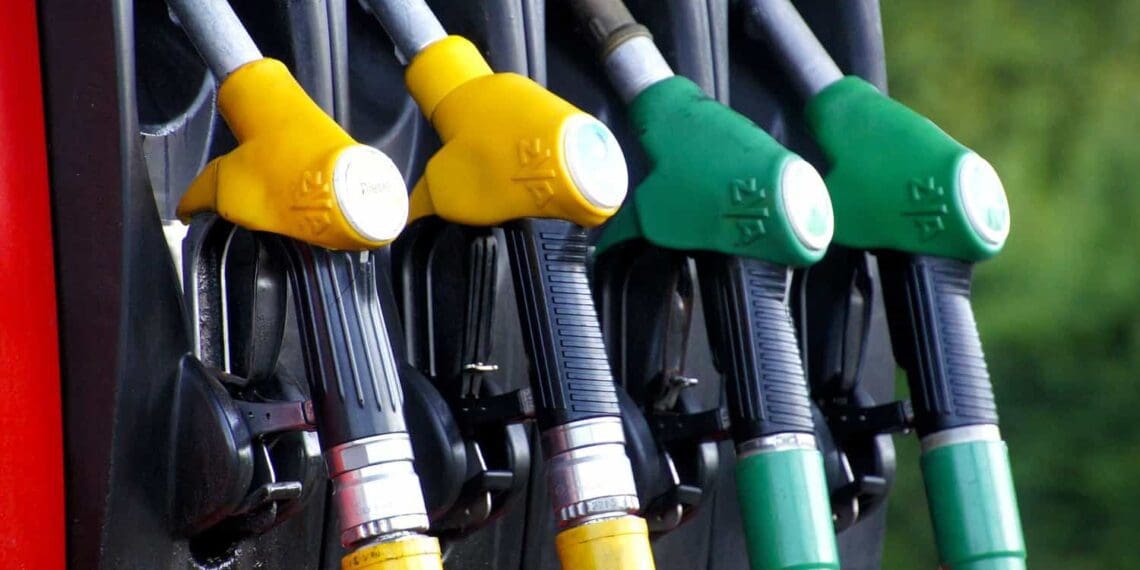
With motorists hit by a petrol price increase of up to R2,43 today, Agri SA has praised the move by Treasury to extend the temporary reduction of R1,50 in the general fuel levy to cushion the blow. Warning of the inevitable knock-on effect of fuel prices on food prices, the organisation implored government to increase targeted diesel rebates for the agriculture sector.

by Staff Reporter
1st June 2022
Many South African businesses are forced to spend money they don’t necessarily have on diesel generators. An expert says, other companies should also enjoy the privilege to earn rebates for spending on diesel and suffering through the blackouts. Photo:Supplied/Food For Mzansi

Many South African businesses are forced to spend money they don’t necessarily have on diesel generators. Fuel rebates can help with their cash flow. Photo:Supplied/Food For Mzansi

Share on FacebookShare on TwitterShare on WhatsApp

As of today 95-octane unleaded petrol will cost motorists R2.33 a litre extra, and R2.43 a litre extra for 93-octane unleaded petrol. This is some relief from the estimated increase of R4 per litre, thanks to an extension of the temporary reduction of R1.50 in the general fuel levy by treasury. Diesel costs up to R1.10 more per litre.

According to Agri SA, an increase without Government’s softening the blow would have had serious knock-on effects for food security in South Africa. It was vital that government therefore consider all viable options to buffer the cost pressures that impact food prices. They believe that a targeted intervention to increase the diesel rebate to the agricultural sector served this purpose, while also being a more sustainable option.

Kulani Siweya, an agricultural economist with Agri SA. Photo: Supplied/Agri SA

Kulani Siweya, chief economist at Agri SA said that the consequences of rising fuel prices had already been felt in the agricultural sector. He said fuel was one of several input costs that have been rising sharply, placing significant pressure on a number of agricultural commodity sectors.

“Whilst farmers have little control over food prices beyond the farm gate, increasing input prices have already been felt by consumers who are facing the result of these cost pressures, higher food prices, at the till,” he said.

Relief to farmers he believed is a matter of urgency because of the high demand for fuel in many parts of the sector as it is still harvesting season for a number of commodities including summer grains and fruits like citrus.

Winter crops, including wheat, are also currently being planted. Agri SA believes that this made these commodities sensitive to the current increase and highlights the need for a targeted and sustainable intervention that can help mute food price increases in coming months.

ALSO READ: Reduced fuel levy will ‘soften blow to agriculture’

A way to buffer food price from fuel hike

The agricultural sector receives little-to-no direct support from the government relative to our international competitors, Siweya pointed out.

“One of the welcome measures in place is the diesel rebate which is designed to benefit local industries by protecting against international competition (where primary producers enjoy significant subsidy and other government support). The rebate works by offering relief from the Road Accident Fund (RAF) levy and the fuel levy and is currently industry dependent.”

He explained that in the agricultural sector, a certain percentage of producers’ fuel qualifies for this diesel rebate, and of that portion 100% is exempt from the RAF levy, and 40% from the fuel levy.

“This tool is very well placed to help cushion the sector from increasing fuel costs This could be achieved by either increasing the percentage of producer fuel which qualifies for both the RAF and fuel levy and/or increasing the percentage of relief from the fuel levy.”

Agri SA believes that an intervention such as this would be both targeted and strategic, as one of the biggest negative externalities of fuel price increases is their impact on the price of food and food security in general. Cushioning the increase in this manner would go a long way in ensuring farmers remain viable and help feed the nation, the agricultural organisation said.

 Sign up for Mzansi Today: Your daily take on the news and happenings from the agriculture value chain.

Staff Reporter

Researched and written by our team of writers and editors.

Tags: Agri SAFood SecurityFuel Prices
Harnessing the power of passive rainwater harvesting
News

Deadline looms: Register water use by 23 July or risk penalties

by Lisakanya Venna
20th July 2026

South African water users have until 23 July 2026 to declare their usage to the DWS. Whether you’ve bought new...

Read moreDetails
This week’s agri events: 20 – 24 July

This week’s agri events: 20 – 24 July

20th July 2026

Climate change: SA’s food processors are feeling the heat

19th July 2026
The Forest of Renewal at Rustlers Valley celebrates the intertwined legacies of Frik Grobbelaar, Anton Chaka and Riky Rick, inviting South Africans to restore the land while cultivating hope, belonging and community. Illustration: ChatGPT

Rustlers Valley offers a blueprint for South Africa’s renewal

18th July 2026
Grain SA appoints Mabuza to lead farmer development

Rising stars: 2026 PGP finalists redefining SA grain farming

18th July 2026

Rooibos heads to space in groundbreaking Mzansi experiment

Weekly stock theft reports pile pressure on farmers

Seriti Institute CEO wins prestigious Best Woman 2026 CSI award

Mother’s legacy, neighbour’s grace: Venessa Simelane’s farm story

Farmers urged to embrace uncertainty and build resilience

Join Food For Mzansi's WhatsApp channel for the latest updates!

JOIN NOW!
Next Post
European member countries have approved new shipping rules that might prevent large numbers of South African oranges from reaching European consumers. Photos: Supplied/Food For Mzansi

EU vote: SA citrus industry's worst fear comes true

THE NEW FACE OF SOUTH AFRICAN AGRICULTURE

With 21 global awards in the first six years of its existence, Food For Mzansi is much more than an agriculture publication. It is a movement, unashamedly saluting the unsung heroes of South African agriculture. We believe in the power of agriculture to promote nation building and social cohesion by telling stories that are often overlooked by broader society.

No one-size-fits-all: Liane’s lessons on leaving the land better

Shoprite hits 300th food garden milestone in Bredasdorp

Tech and solar upgrades drive growth at Ceres Fruit Growers

Smart vineyard irrigation starts below the ground

Treat food processing as essential national infrastructure – Khoury

Farmers urged to embrace uncertainty and build resilience

  • Awards & Global Impact
  • Our Story
  • Contact Us
  • Cookie Policy
  • Privacy Policy
  • Copyright

Contact us
Office: +27 21 879 1824
News: info@foodformzansi.co.za
Advertising: sales@foodformzansi.co.za

Contact us
Office: +27 21 879 1824
News: info@foodformzansi.co.za
Advertising: sales@foodformzansi.co.za

  • Awards & Global Impact
  • Our Story
  • Contact Us
  • Cookie Policy
  • Privacy Policy
  • Copyright

Chat Options

I'm Lerato, your AI assistant!
No Result
View All Result
  • News
  • Changemakers
  • Lifestyle
  • Farmer’s Inside Track
  • Food for Thought

Copyright © 2024 Food for Mzansi

This website uses cookies. By continuing to use this website you are giving consent to cookies being used. Visit our Privacy and Cookie Policy.