South Africa’s high-value export industries are entering a season defined by both opportunity and disruption. Macroeconomic developments, particularly the United States’ (US’) 30% tariff imposed on South African goods, are reshaping trade strategies for citrus, berries, nuts and table grapes.
While the tariff threatens margins and market share, exporters are exploring ways to mitigate costs, including sharing tariff burdens with buyers or shifting focus to alternative markets. This is according to the newly released AgriTrends report by Absa.
Citrus: Navigating global competition
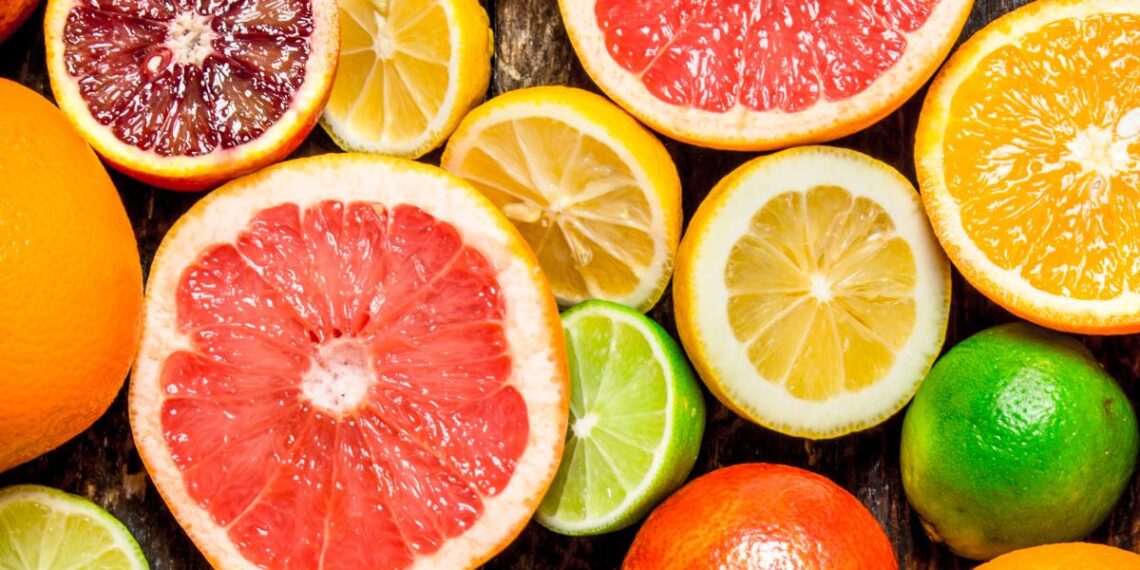
Orange and soft citrus exports remain central to South Africa’s horticultural export profile. Navel exports are set to rise by 5%, while those of Valencia oranges may increase by 6% as fruit shifts from fresh to processing due to softer global juice prices.
Easy peelers face global competition, particularly from Peru and Morocco, but the US and European Union (EU) markets still offer lucrative returns if trade negotiations are successful. Lemons are experiencing robust growth, with exports climbing 6% above early forecasts thanks to improved yields and supply gaps in Spain and Turkey.
Berries and table grapes: Opportunities amid shifting supply
Meanwhile, blueberry production has rebounded after previous frost-related losses, pushing exports up 6.7% for the 2024/25 season. While early-season prices were strong due to delayed Peruvian supply, the market may soften later as Peru and Chile ramp up volumes.
South Africa’s proximity to emerging markets such as India provides logistical advantages, though preferential trade agreements for competitors limit short-term growth prospects.
Despite stable plantings, South African table grapes face mounting pressure from rising production in Peru and China. Tariff challenges in the US market (up to 30%) increase the need for alternative channels such as the EU and Asia. Opportunities lie in leveraging premium varieties, optimising logistics and strengthening retail partnerships to maintain market relevance.
Macadamias: Weathering production setbacks
South Africa remains the global leader in macadamia production, holding nearly half of the nut-in-shell and kernel markets. Adverse weather has trimmed 2025 output forecasts, but global demand, especially from China and the US, is strong, supporting short- to medium-term prices.
Tariffs on US imports may lead processors to pass costs to buyers or redirect volumes to other markets, underscoring the importance of strategic trade planning.
Across all high-value export sectors, the common themes are adaptability and market diversification. Improved port efficiency, yield optimisation and strategic engagement with alternative markets are critical for navigating global trade shocks.
While US tariffs and emerging international competition pose real challenges, South Africa’s focus on quality, timing and reliable delivery continues to position the country as a competitive exporter in the global high-value horticulture and nut markets.
The 2025 season highlights the resilience and strategic foresight of South Africa’s high-value export industries.
Maintaining market share will require tactical responses to tariff pressures, agile supply management and a sharp focus on both established and emerging global markets. With these measures, South Africa can continue to leverage its strengths while mitigating risks in an increasingly complex trade landscape.