Growing up in KwaZulu-Natal, dandelions were a familiar sight for Nokukhanya Dlamini. Her gogo used it as an all-purpose herb for skin rashes and digestive problems, passing the knowledge down through the family.
Years later, when Dlamini struggled to find an affordable solution for her child’s skin rash, she remembered the dandelion remedy. That memory would become the starting point for Dandelion Glow.
Childhood lessons inspire heritage brand
Dlamini says her grandmother, Maria Magubane, taught her from a young age that “the earth is a pharmacy”.
Although her grandmother had no formal education, Dlamini says she knew a lot about medicinal plants and how they were traditionally used for common health problems.
“When we had stomach aches or skin rashes, she would go outside and pick leaves and make tea for us,” she recalls.
“I watched her as a little girl. I didn’t know that one day that same knowledge would save me and my kids when we had no money.”
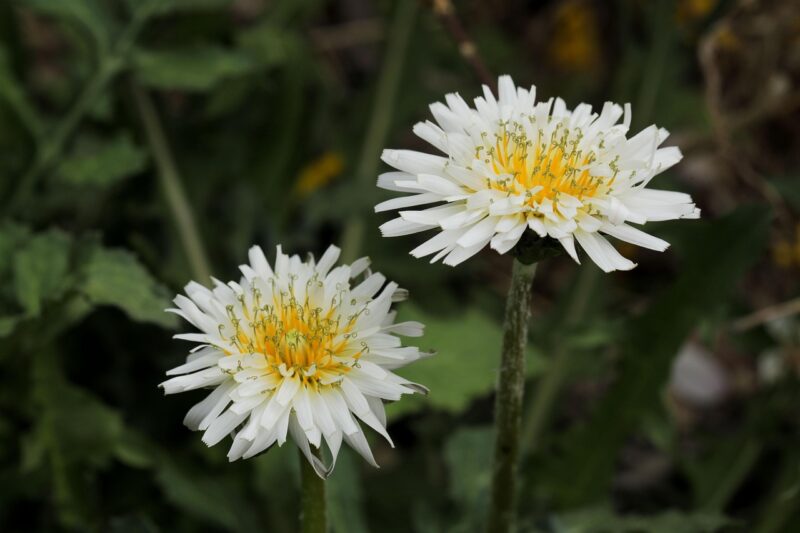
Today, Dlamini grows dandelions at her home in Ntshongweni, Hammarsdale, as part of Dandelion Glow. She grows the perennial plant from seed, and the KwaZulu-Natal climate allows her to cultivate it throughout the year.
“It doesn’t need a special season. It’s perennial, so when I cut the leaves, it grows back again by itself,” she explains.
Dlamini waters the plants regularly and does not use chemical inputs. She harvests the leaves and flowers while leaving the roots in the soil so the plants can continue growing. When she needs the roots for tea, she removes them and plants new seeds to keep her supply going.
Making use of what grows in her yard
Dlamini founded her business in early 2026 with no capital and an abundant supply of dandelions already growing in her yard. While working as a domestic worker, she had been learning how to care for the plant and developing her products behind closed doors.
Dlamini says she wanted to create affordable, organic products from plants that people often overlook. She spent time researching, practising and testing her ideas before putting the products up for sale earlier this year.
Related stories
- Why hemp could be the next big thing for local producers
- Homegrown: TUT turns traditional grains into modern medicine
- Herbal heritage: Eastern Cape agripreneur boosts livestock health
- Indigenous crops hold key to sustainable agriculture in SA
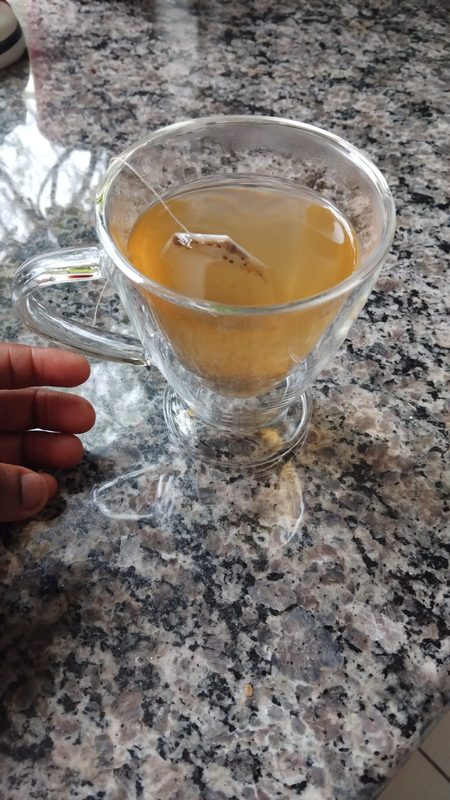
Her range includes dandelion-and-honey root tea, made with 20 naturally caffeine-free tea bags, golden dandelion juice made with raw honey, lemon and dandelion, and dandelion-and-honey soaps.
The soaps are handmade in rose shapes using a natural glycerine soap base, dandelion and honey, with coconut oil, shea butter and a little lemon for scent.
Dlamini makes everything in small batches at home. She says customers have responded well to the products, although producing in small quantities can make it difficult to keep up with demand.
“My mission is to help people glow naturally from the inside out while promoting sustainable gardening in our communities,” she says.
Growing beyond the kitchen
Her business operates from a small space of about 3m x 2m, with production taking place in her home kitchen.
Dlamini says online search engines have helped her learn more about dandelion and develop her products. She has also looked into having her products tested and getting the necessary SAHPRA paperwork, but says the costs remain a challenge.
“I’m still growing the business to afford it. That is my next big goal,” she says.
Her experience as a domestic worker has also shaped how she approaches the business. Dlamini says the work taught her discipline, care and the value of working with her hands. “These are values I now put into my own brand.”
She has built her customer base through her community and mostly through social media. She wants to grow the business enough to meet demand while maintaining the small batch approach.

Dlamini hopes to eventually have her own dandelion farm and learn how to make more processed products for her community and surrounding areas.
She says access to land, training in herb production and agroprocessing, and guidance on product mixing and safety would help her move forward.
“To get there, I need support with funding for proper equipment and affordable packaging, and to get my products tested for certification. I also need mentorship on how to grow from a kitchen business to a real farm business,” she says.
Dlamini’s tips for other entrepreneurs
- Start small. Use what you have. Test the market first.
- Know your costs. Work out the cost of each product before pricing it.
- Make your packaging count. Keep the design clean and consistent.
- Tell your story. Give people a reason to connect with your product.
- Stay consistent. Post regularly. Reply to customers. Deliver on time.

READ NEXT: Moringa: Mzansi’s miracle tree takes root