For many young people, loving a subject does not always come with knowing where it can lead. Asanda Sokombela from Kutsolo in the Eastern Cape knew she loved science, but she had no clear picture of the career paths available to her – until she discovered agricultural science.
Through good guidance, quality education, and consistent support, she found her direction. Today, she works as an assistant technician in the horticulture unit at the University of Fort Hare, a career she only discovered during her university years.
Sokombela grew up on a Christian foundation that shaped her values and instilled a sense of focus from an early age.
Alongside the church, she was also deeply involved in sport. “I was a prominent runner in my district, competing in both short and long-distance races, and I also played soccer and handball.”
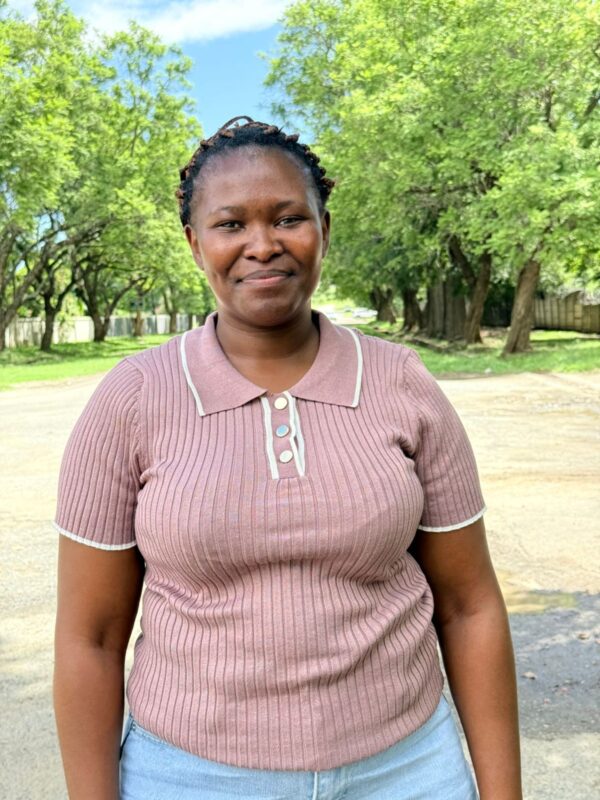
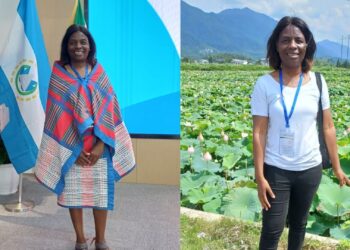
Photo: Supplied/Food For Mzansi
Sport, she says, became an important teacher. “Sport taught me discipline, teamwork, and resilience, qualities that would later support me throughout my academic and professional journey.”
Seeds of success bear fruit
Sokombela tells Food For Mzansi that her parents were involved in agriculture, from rearing livestock to growing crops such as spinach, potatoes, and maize. These early experiences planted the seed for what would later become her career path.
A friend once told Sokombela about a role model in the agriculture sector, and that inspired her curiosity about the field.
In 2009, shortly after receiving her matric results, she applied to several tertiary institutions. She ranked among the top five learners at Lutuka Senior Secondary School, earning a scholarship from ETDP SETA.
Then came a decisive moment. She remembers arriving home, checking her mail, and receiving confirmation that the University of Fort Hare had accepted her to study a BSc in crop science, specialising in horticulture.
Academically, she performed well, earning distinctions and maintaining a strong presence in class.
Related stories
- NW soil scientist-turned-farmer: Plants speak, he listens
- African scientists explore indigenous crops for better health
- Hardship forged Sihle’s passion for animal health
- Wealth in dirt: Crop scientist’s plan B becomes farming destiny
Discovering the ups and downs of farming
After completing her undergraduate studies, Sokombela initially believed her academic journey had come to an end and that she would transition directly into employment. However, that expectation soon shifted.
“I approached one of my final-year lecturers about enrolling for an honours degree.”
She says his encouragement and the strong motivation letter he wrote on her behalf inspired her to continue. “I subsequently received funding for both my honours and master’s degrees.”
Her postgraduate research focused on medicinal plants, an area that remains her specialisation. During her master’s studies, she was allowed to complete an internship at the Raymond Mhlaba Development Agency, where she gained valuable exposure to the realities of the working world.
Soon after, she was appointed as a farm manager in Ngqamakhwe. “When I arrived, the land was overgrown with grass and weeds, with no prior signs of cultivation.”
She adds that she had no formal office. “My planning and preparation were done while sitting on a stone in the field.”
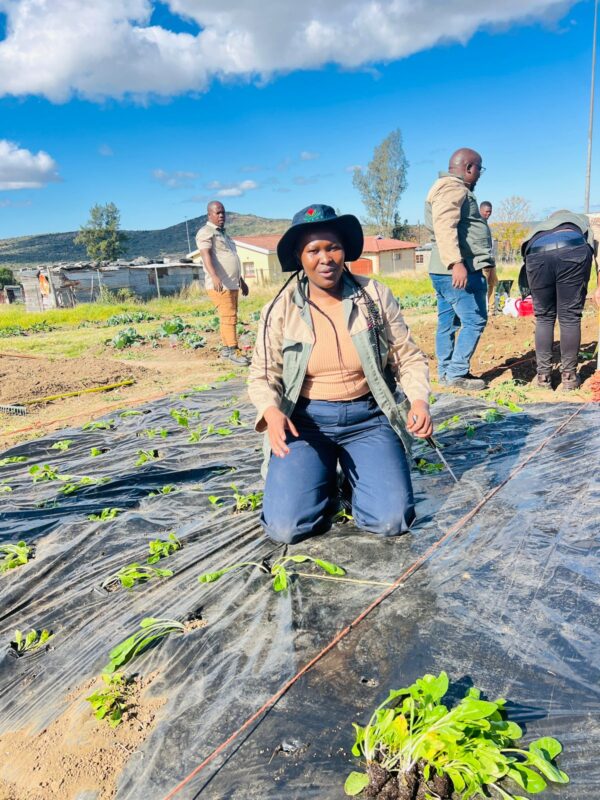
Despite these challenges, during her first growing season, she successfully secured a supply contract with Spar Engcobo. All top-grade produce was sold to Spar Engcobo and Dutywa, while lower-grade produce was marketed through local vendors, a milestone she describes as a proud moment in her management journey.
She then later transitioned from farming into fruit inspection, where she again excelled.
“I became the first person in my workplace to be certified as a fruit inspector and went on to train fellow colleagues in inspection processes.”
Advancing research and giving back
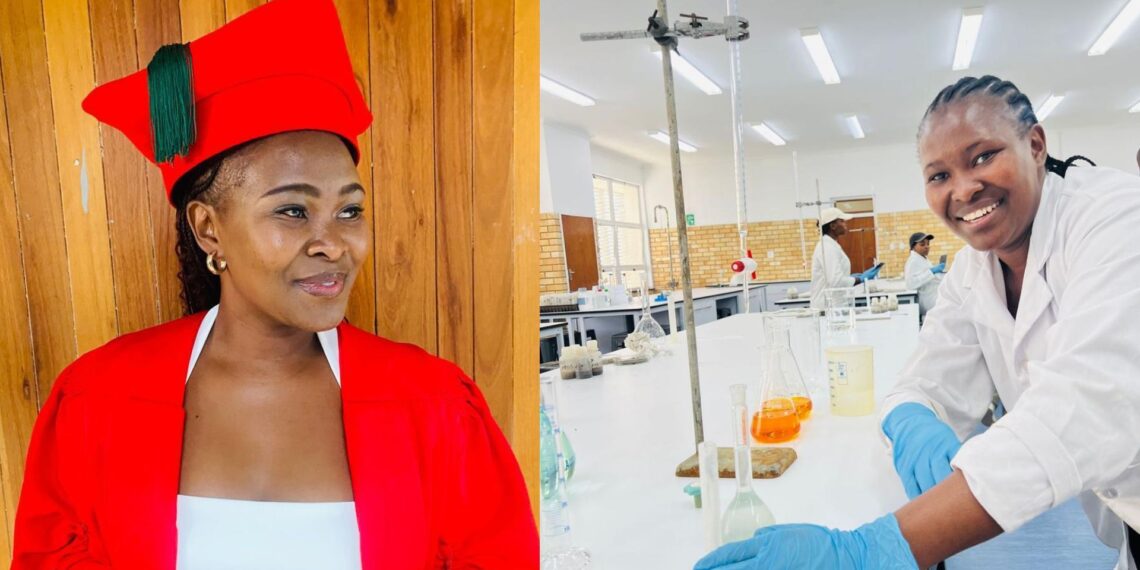
In 2020, Sokombela joined the University of Fort Hare as an assistant technician, a position she currently holds. Her responsibilities include assisting students with research and practicals, procuring research materials, and managing laboratory operations.
While working at the University of Fort Hare, Sokombela decided to further her academic journey by enrolling for a PhD at the University of Limpopo.
“It was a fulfilling and supportive experience, guided by exceptional supervisors who supported me throughout the process. I successfully completed my PhD in 2025.”
She notes that through her doctoral research, she has published two peer-reviewed journal articles and presented her work at two national conferences.
“I am currently working on publishing an additional chapter from my PhD research.”
Her PhD was funded through a staff study subsidy from the University of Fort Hare, and her research was supported through the department of science and innovation and technology through the University of Limpopo.
She explains that a typical working day involves planning for scheduled practicals, sourcing quotes for departmental needs, writing reports, checking on plants in the field or glasshouse, ensuring equipment is up to date in terms of servicing, and conducting research.
Now, Sokombela shares her passion by supporting students with different needs in their research work.
READ NEXT: Wealth in dirt: Crop scientist’s plan B becomes farming destiny