The department of water and sanitation (DWS) has filed an appeal to the Constitutional Court against a recent court ruling that water rights holders are entitled to transfer such rights.

This, after the Supreme Court of Appeal (SCA) ruled recently that the transfer of water rights was in accordance with the provisions of the National Water Act, and that the trading in such rights are not prohibited or unlawful.
The Lötter, Wiid and South African Association of Water Users Associations (SAAFWUA) case was brought before the SCA for a declaratory order on the correctness of a circular by the DWS dating from January 2018. In it the department determined that water use entitlements could not be transferred.
“The decision of the DWS to appeal against the SCA ruling to the Constitutional Court is not entirely unsurprising, given the fact that the SCA itself was divided on the matter”, said Janse Rabie, head of Agri SA’s natural resources centre of excellence.
The DWS appeal means that applications for transfers of water use entitlements will not be entertained pending the outcome of the Constitutional Court case.
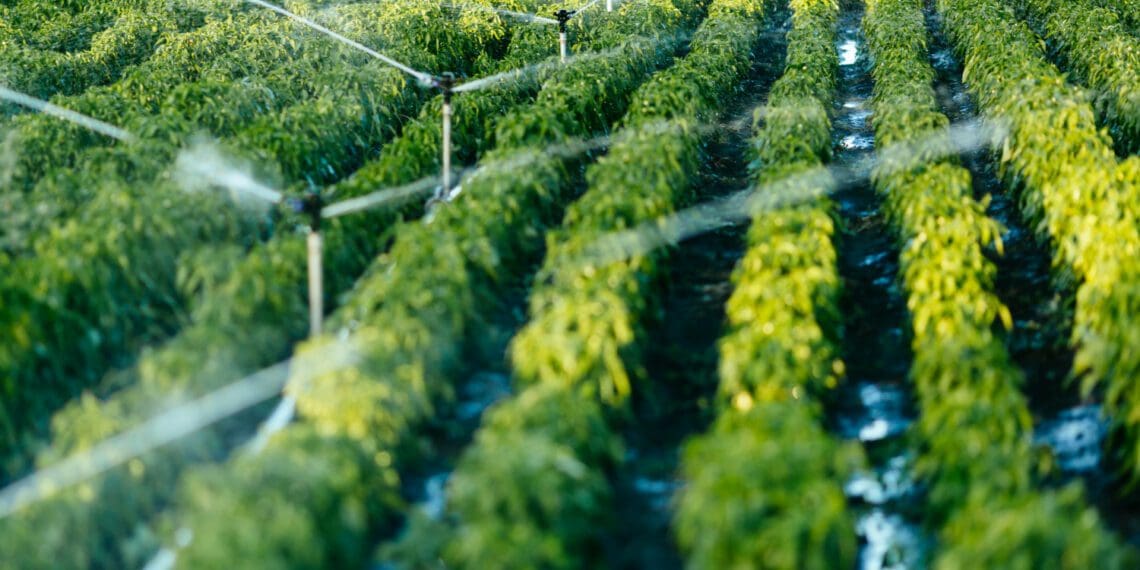
“Agri SA maintains that the ability to legally be able to transfer water use entitlements in accordance with the provisions of section 25 of the NWA is vital, particularly for the irrigation agricultural sector”, Rabie said.
Illicit alcohol: ‘SA must learn from Southern African countries’
In its response to the emergence of the Omicron variant of Covid-19, South Africa must look to other Southern African countries equally affected by the unjustified travel ban that has been imposed on the region.
This according to South African Liquor Brandowners Association (SALBA), who they say seemingly have a better grip on saving lives and livelihoods.
SALBA spokesperson Sibani Mngadi said the economies of Southern African development community (SADC) countries are interdependent and economic restrictions in South Africa have implications for the neighbouring countries as well.
“When South Africa bans domestic alcohol sales, the stock we sell to neighbouring countries ends up not leaving South Africa’s borders. Instead, it is sold domestically in an increasingly lucrative illicit market in South Africa. We cannot allow this lawlessness to happen, undermining our own South African Revenue Services,” Mngadi said.

According to SALBA alcoholic products are sold from South Africa to neighbouring countries without customs duty on the understanding that they are liable for duty at the destination country.
“These products become highly competitive in the South African market as we sell them duty-free. When they are sold in South Africa, they have almost a 50% pricing advantage over local drinks that have paid taxes,” explained Mngadi.
Furthermore, SALBA pointed out that Mzansi’s decision to ban domestic alcohol sales also undermines the tax revenue potential of countries within the Southern African customs union (SACU) who depend on South Africa for collecting all excise tax revenue and redistributing it amongst SACU countries (Botswana, Lesotho, Namibia and Swatini).
Mngadi believes South Africa has much to learn from other SADC countries.
Zimbabwe, he says, has not banned alcohol sales since the beginning of the pandemic. “But Zimbabwe and Botswana have managed infections and have a higher vaccine coverage rate than South Africa.”
A commissioned report, Illicit Trade: Alcoholic Drinks in South Africa in 2020 (Euromonitor Consulting), indicated that Intra country and cross border smuggling is the fastest growing segment of the estimated R44,5 billion illegal alcohol trade market.
“The report confirmed a clear correlation between the sales ban and the increase in the demand for illicit alcohol. The tragic indirect consequence of this has been the rise in homebrew consumption-related deaths and an increase in criminal activities,” said Mngadi.
ALSO READ: More illegal booze on streets than legal wine and ciders
Sign up for Mzansi Today: Your daily take on the news and happenings from the agriculture value chain.