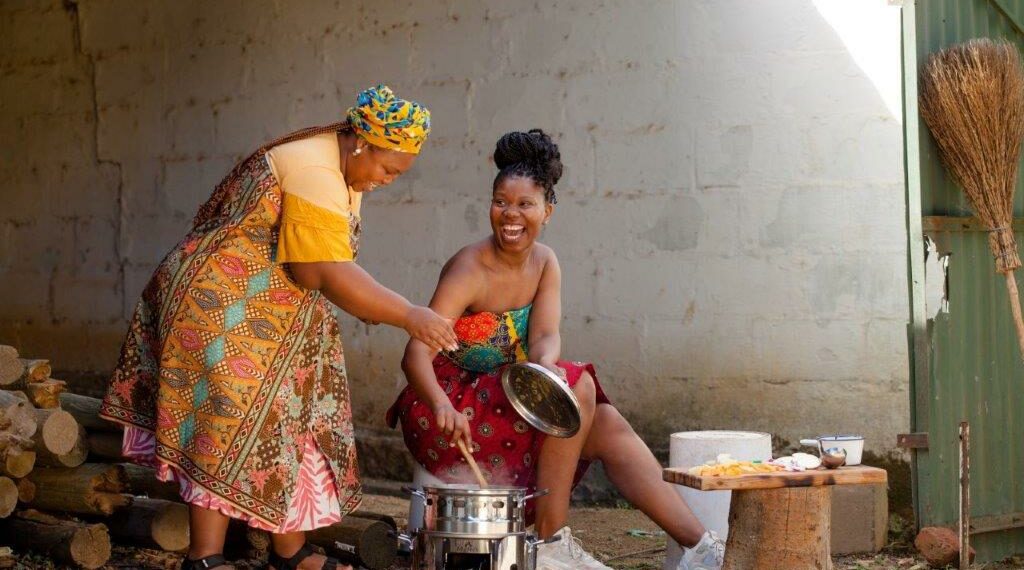
In South Africa, it is part of everyday life to light a fire – whether it is for cooking, heat, lighting, or just relaxing at a braai. However, research has shown that household fires generate harmful household air pollution, harm the environment, and pose a serious danger to communities.
According to the World Health Organisation (WHO), a third of the global population cooks using open fires or inefficient stoves fuelled by kerosene, wood, animal dung, and coal, which generates harmful household air pollution.
This exposure leads to noncommunicable diseases including stroke, ischaemic heart disease, chronic obstructive pulmonary disease (COPD) and lung cancer, WHO states.
Impact on the environment
On the other hand, burning wood, charcoal, animal dung, coal produces emissions that damage the climate and destroy the environment. Cooking with these products releases greenhouse gases like carbon dioxide and short-lived climate pollutants.
To combat this, companies are developing innovative products and ways to cut emissions, protect the environment, decrease the detrimental impact on our health, and prevent fire injuries.
One of the ways to do this is by clean cooking.
Ener-G-Africa (EGA) recently launched its cookware manufacturing facility in Paarl, producing a range of clean-burning, fuel-efficient stoves and cookware and employing 100 people from the local community. The event was attended by the Drakenstein Municipality executive mayor, Stephen Korabie, media, retailers, NGOs and community organisations.
A panel discussion on clean and green cooking was led by the World Bioenergy Association president, Christian Rakos.
“The opening of this factory is a landmark event for clean cooking in Africa,” said Rakos. “Ener-G-Africa’s engagement will include building supply chains for a fuel that can revolutionise cooking in Africa – pelletised biomass coming from various types of agricultural residues and fast-growing grasses. This modern fuel offers a clean burning and affordable alternative to firewood and charcoal.”

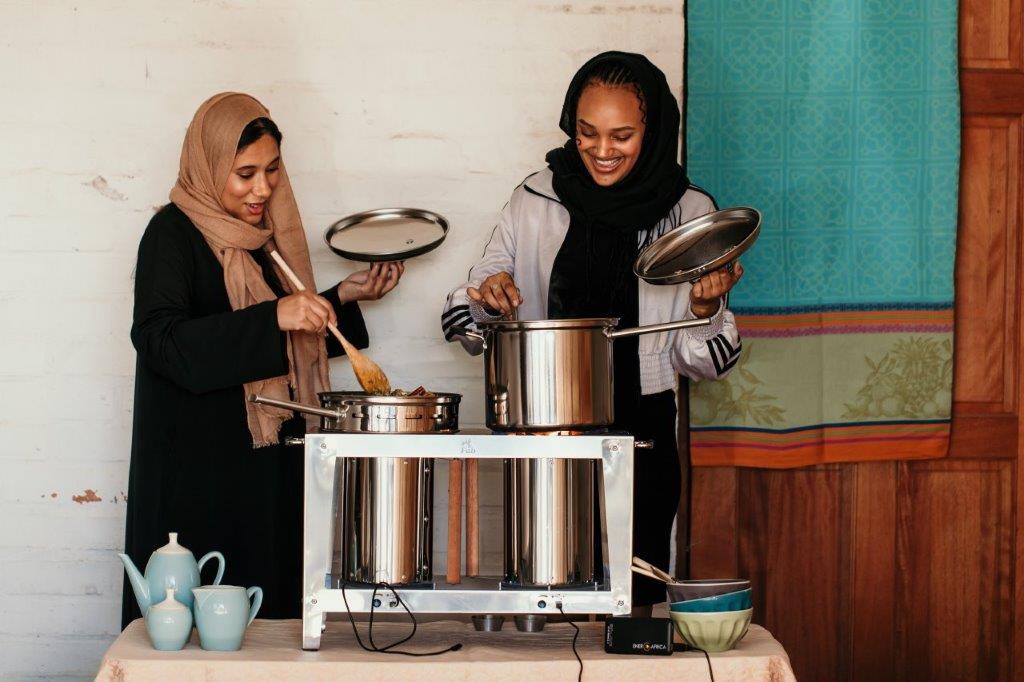
Ener-G-Africa’s clean cooking, energy-efficient products extend to innovations in the form of sustainable fuels, such as pellets made from peanut shells, banana stems, cotton stalks and other byproducts, solar panels, biomass stoves, and cookware.
André Moolman, CEO at Ener-G-Africa, said, “This launch is the culmination of a vision to revolutionise cooking in Africa, making it cleaner, healthier, more affordable and better for the environment.”
He added that, in Africa, cooking is mostly seen as a task for women, though it often goes unrecognised.
“Every day, millions of women across the continent have no option but to cook in unsafe conditions, using inefficient equipment. They spend hours collecting firewood for fuel and cooking on primitive, unhealthy and often dangerous wood-burning stoves. We are looking to change that by providing accessible, cost-effective and innovative cookware that saves women time, money and fuel,” Moolman explained.
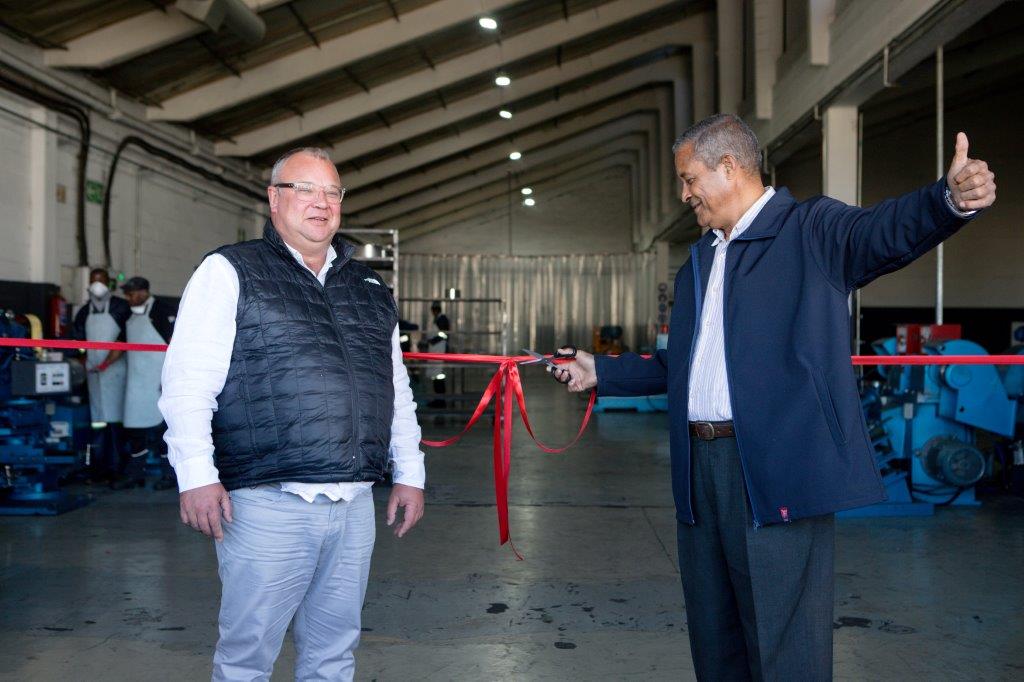
Andre Moolman, CEO at Ener-G-Africa, with Drakenstein Municipality executive mayor Stephen Korabie at the launch of the new factory in Paarl in the Western Cape, where they manufacture clean cooking stoves and cookware. Photo: Ener-G-Africa 
Ener-G-Africa manufactures cost-effective and innovative stoves and cookware that is safe to use and prevents burn injuries. Photo: Ener-G-Africa 
From left: World Bioenergy Association president, Christian Rakos, chief business development officer at EGA, Dave Lello and Andre Moolman, CEO at EGA. Photo: Ener-G-Africa