Thursday, August 6, 2026
SUBSCRIBE
22 GLOBAL MEDIA AWARDS
Food For Mzansi
  • News
  • Changemakers
  • Lifestyle
  • Farmer’s Inside Track
  • Food for Thought
No Result
View All Result
  • News
  • Changemakers
  • Lifestyle
  • Farmer’s Inside Track
  • Food for Thought
No Result
View All Result
Food For Mzansi
No Result
View All Result
in Farmer's Inside Track

Lice in cattle: Stop it before it starts

Lice infestations can devastate cattle farms, impacting animal health and productivity. Dr Stefan Steyn of Afrivet offers vital advice on recognising and treating lice, ensuring herd well-being and preventing economic losses

by Octavia Avesca Spandiel
18th May 2024
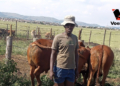
Dr Stefan Steyn, technical and regulatory veterinarian at Afrivet. Photo: Supplied/Food For Mzansi

Dr Stefan Steyn, technical and regulatory veterinarian at Afrivet. Photo: Supplied/Food For Mzansi

Share on FacebookShare on TwitterShare on WhatsApp

Lice infestations can wreak havoc on cattle farms, causing discomfort, decreased productivity, and economic losses if left unchecked. Recognising the signs of infestation and implementing effective treatment strategies are vital for maintaining herd health and welfare.

In this episode, Dr Stefan Steyn, technical and regulatory veterinarian at Afrivet, guides farmers in choosing the right treatment plan for their herds.

“In terms of lice overall, it’s not something that’s difficult to understand. It’s an external parasite. What you commonly see is irritability in cattle, especially being annoyed, scratching the whole time and that’s just because of the physical irritation that’s going on the skin,” Steyn emphasises.

He elaborates on two distinct kinds of lice that affect separate regions of the body. He also talks about their brief life cycle causes and shares detailed information about recognising the species of lice and examining the affected areas in order to diagnose an infestation.

“Untreated lice infestations not only lead to discomfort but also hinder cattle health, productivity, and welfare. Lice infestations can exacerbate existing health issues and contribute to the spread of diseases like gall sickness or anaplasmosis.”

Preventative measures

Did you know that lice Infestations can be avoided by treating livestock proactively? That’s right. To disrupt the lice life cycle and prevent reinfection, it is important to keep the herd in ideal health, reduce stress, and follow treatment schedules

Steyn advises that swift treatment is crucial in severe cases or outbreaks to alleviate physical irritation and prevent further harm. “Consulting veterinarians for guidance on treatment protocols and supporting animals with nutritional supplements aid in recovery and overall herd resilience.”

In this episode, Steyn also discusses:
  • Keeping animals stress-free;
  • Natural remedies; and
  • Lice spreading to other animals

Want to know more? Listen to the full episode of Farmer’s Inside Track. 

Option 1: Click here to listen on Spotify (all mobile and other devices).

Option 2: Click here to listen on any Apple device. 

Option 3: Click here to listen on Google Podcast.

ALSO READ: Sunlight and seawater: Try sea farming if it floats your boat

Sign up for Farmer’s Inside Track: Join our exclusive platform for new entrants into farming and agri-business, with newsletters and podcasts. 
Octavia Avesca Spandiel

Raised by a close-knitted family who loves her deeply, Octavia believes in the philosophy of ‘I am because you are'. This former news and content editor for radio is now living her best life in the agricultural sector as a commercial journalist at Food For Mzansi. Her soft spot for poetry and passion for life, writing and traveling inspires her to write compelling stories. Apart from being an excellent writer, Octavia has an educational background in youth work and loves working with people. 

Tags: AfrivetAnimal diseasesCommercialising farmerLivestockPodcastTeach me
Smart irrigation key to getting more value from every bag of fertiliser
Advertorial

Smart irrigation key to getting more value from every bag of fertiliser

by Patricia Tembo
3rd August 2026

PARTNER CONTENT: Effective fertigation begins with effective irrigation. Netafim agronomist Louis Fourie shares how precision drip fertigation keeps costly nutrients...

Read moreDetails
Limpopo youth turns backyard broiler project into poultry business

Limpopo youth turns backyard broiler project into poultry business

3rd August 2026
ASF outbreak contained, but pig farmers urged to stay vigilant

ASF outbreak contained, but pig farmers urged to stay vigilant

3rd August 2026
This week’s agri events: 03 – 07 August

This week’s agri events: 03 – 07 August

3rd August 2026

A super El Niño looms: Africa’s five lessons in climate resilience

2nd August 2026

ASF outbreak contained, but pig farmers urged to stay vigilant

This week’s agri events: 03 – 07 August

A super El Niño looms: Africa’s five lessons in climate resilience

Bikouta bridges African flavours through handcrafted teas

DairyRise Project drives inclusive agricultural growth

Join Food For Mzansi's WhatsApp channel for the latest updates!

JOIN NOW!
Next Post
‘Fruit industry ripe for growth, needs govt policy reform’

Agricultural growth hinges on policy execution – Sihlobo

THE NEW FACE OF SOUTH AFRICAN AGRICULTURE

With 21 global awards in the first six years of its existence, Food For Mzansi is much more than an agriculture publication. It is a movement, unashamedly saluting the unsung heroes of South African agriculture. We believe in the power of agriculture to promote nation building and social cohesion by telling stories that are often overlooked by broader society.

How grain farmers can secure cash flow and funding in uncertain seasons 

Professionalism pays: How Jantjies built a thriving lucerne business

New agriculture chair targets FMD, governance, oversight

South Africa’s child nutrition crisis demands urgent action

More than gadgets: How practical agritech boosts your bottom line

Western Cape suffers driest July on record ahead of intense El Niño

  • Awards & Global Impact
  • Our Story
  • Contact Us
  • Cookie Policy
  • Privacy Policy
  • Copyright

Contact us
Office: +27 21 879 1824
News: info@foodformzansi.co.za
Advertising: sales@foodformzansi.co.za

Contact us
Office: +27 21 879 1824
News: info@foodformzansi.co.za
Advertising: sales@foodformzansi.co.za

  • Awards & Global Impact
  • Our Story
  • Contact Us
  • Cookie Policy
  • Privacy Policy
  • Copyright

Chat Options

I'm Lerato, your AI assistant!
No Result
View All Result
  • News
  • Changemakers
  • Lifestyle
  • Farmer’s Inside Track
  • Food for Thought

Copyright © 2024 Food for Mzansi

This website uses cookies. By continuing to use this website you are giving consent to cookies being used. Visit our Privacy and Cookie Policy.