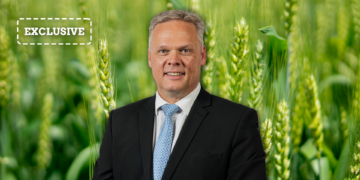
Agriculture feeds the nation, fuels rural economies, and provides millions of livelihoods across the value chain, from smallholder farmers to large agribusinesses, said Aluwani Museisi, country chair at Shell Downstream South Africa. However, the past few years’ events have reinforced the hard truth that the sector cannot rely on resilience alone.
Museisi said the sector needs deliberate innovation, strong partnerships, and energy reliability to secure a sustainable and competitive future.
“South African farmers today are contending with a range of pressures, climate volatility, input cost inflation, energy instability, and tightening margins. Unseasonal droughts and floods, driven by a changing climate, have hit yields and disrupted planting cycles.
“Meanwhile, the ripple effects of global supply chain disruptions, geopolitical tensions, and high fuel prices continue to challenge the economic viability of both small and commercial farms,” he said.
A technology-driven approach
Museisi said, despite these hurdles, the sector has shown remarkable grit. He noted that the citrus, maize, and wine industries showed robust export performance, while innovations in agri-finance and digital farming made notable progress.
Related stories
- Bayer celebrates 20 years of DEKALB innovation at Nampo
- Funding, policy, innovation: Keys to future farming success
“As someone who works closely with agricultural communities and businesses at Shell, I’ve had the privilege of witnessing how farmers are adapting. There is a visible shift in the way agriculture is being approached. It’s no longer just about keeping machines running, it’s about using every resource, every tool, and every partner to work smarter.
“Farmers are increasingly adopting precision agriculture, satellite imaging, drone surveillance, and sensor technology to monitor soil health, weather trends, and crop performance in real-time. This data-driven approach is helping them make more informed decisions about planting, irrigation, and harvesting, leading to improved yields and more efficient use of resources,” he said.
The energy-agriculture nexus
However, added Museisi, energy is the lifeblood of modern agriculture, but in South Africa, persistent load shedding and fuel supply disruptions have placed enormous strain on farming operations.
“For many producers, these challenges don’t just mean inconvenience, they mean crop losses, increased costs, and diminished competitiveness. Moving forward, energy resilience must be seen as a growth enabler for the agri-sector. Hybrid and off-grid energy solutions, including solar, biofuel, and storage systems, will become increasingly critical.
“What’s needed is an ecosystem approach, where energy providers, government, and agribusinesses work together to make these technologies more accessible, affordable, and scalable.”
Museisi said expanding local agro-processing capacity can unlock jobs, improve rural incomes, and reduce dependency on imports. It also strengthens the case for energy security, since agro-processing requires stable power to run mills, refrigeration, and logistics hubs.
“We must support initiatives that upskill emerging farmers and connect them with platforms that amplify their impact. There is a need to believe in agriculture not just as a sector, but as a vehicle for empowerment.
“With the right investments, partnerships, and enabling policies, the sector can evolve from surviving to thriving,” he said.
READ NEXT: Farming and mining: SA’s economic giants explore shared future
Sign up for Mzansi Today: Your daily take on the news and happenings from the agriculture value chain.