Thursday, October 22, 2026
SUBSCRIBE
22 GLOBAL MEDIA AWARDS
Food For Mzansi
  • News
  • Changemakers
  • Lifestyle
  • Farmer’s Inside Track
  • Food for Thought
No Result
View All Result
  • News
  • Changemakers
  • Lifestyle
  • Farmer’s Inside Track
  • Food for Thought
No Result
View All Result
Food For Mzansi
No Result
View All Result
in News

Liquor confiscation ‘welcome, but govt. must learn’

by Duncan Masiwa
10th September 2021
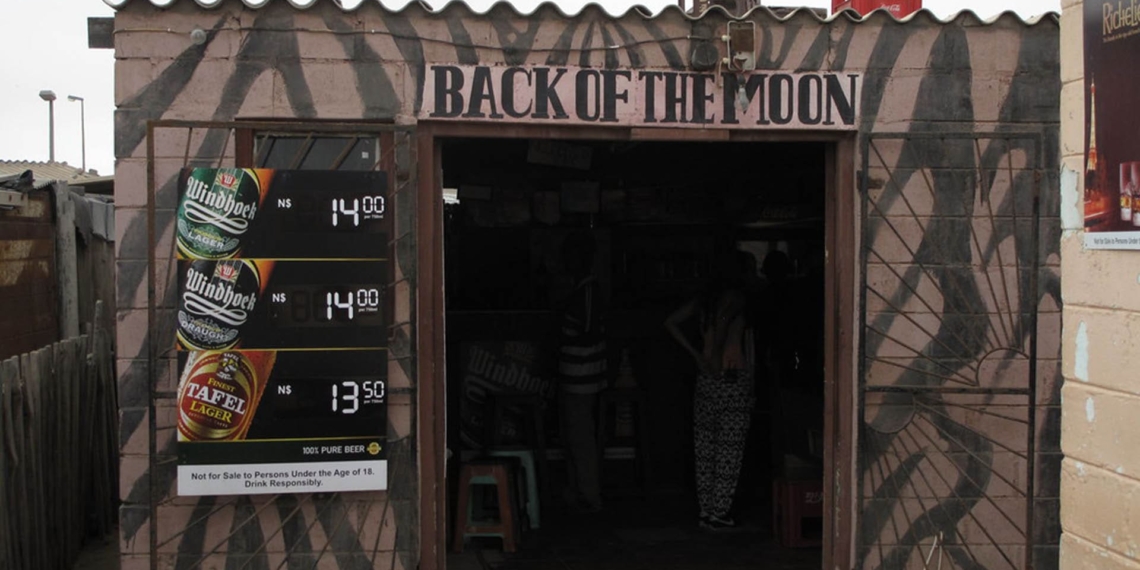
The Covid-19 alcohol sales bans have not only injured the alcohol industry, but also the Mzansi economy. Photo: Flickr

The Covid-19 alcohol sales bans have not only injured the alcohol industry, but also Mzansi's economy. Photo: Flickr

Share on FacebookShare on TwitterShare on WhatsApp

A breakthrough in the fight against illegal alcohol trade has been welcomed by the South African Liquor Brand Owners Association (SALBA). This follows the confiscation of duty-free liquor worth R15 million from a warehouse in Mpumalanga.

With the support of role players in the liquor industry, the South African Revenue Service (SARS) and the South African Police Service (SAPS) seized more than 152 000 bottles (12 700 cases) of spirits after a year-long investigation. The liquor was originally destined for the overseas market but being recycled back into local trade.

Equipment to alter the original products were also found.

level 3 Sibani Mngadi, chairman of the South African Liquor Brandowners Association (SALBA). Photo: Twitter
Sibani Mngadi, chairman of the South African Liquor Brandowners Association (SALBA). Photo: Twitter

Explaining the modus operandi, SALBA chairman Sibani Mngadi says that syndicates purchase product intended for export tax-free, as it would only be subjected to duty at the destination country.

“The bottles are then rebranded to conceal that they are meant for export, and resold into the South African market at a competitive rate. A duty-free spirit product can undercut the retail price of the duty-paid spirits brand by up to 41%,” Mngadi explains.

In some cases, syndicates also replace the caps of the bottles and remove the lot codes from the boxes.

Blunt policy interventions have consequences

Welcoming the multimillion-rand liquor confiscation, SALBA’s CEO Kurt Moore says it is time government realised the unintended consequences of blunt policy interventions such as alcohol sales bans and trading hour restrictions.

“To put things into perspective, in 2020 the illicit market was worth R20.5 billion, which is R6.5 billion more than the R14 billion budget that the South African Police Service is allocated for criminal investigations.

SALBA CEO Kurt Moore. Photo: Supplied/Food For Mzansi

“In 2020 SARS lost R11.3 billion to the illicit alcohol trade. This is R1 billion more than the R10.3 billion allocated for Covid-19 vaccines,” Moore points out.

According to Euromonitor International, the illicit alcohol market has grown to 22% of the total volume of alcohol sold in South Africa following the sales bans.

Spirits constitute 48% of the illicit market (mainly through smuggling), followed by homebrews at 24% and sugar-fermented ales at 22%.

Moore warns that ongoing restrictions will continue to encourage the illicit alcohol industry and further damage the legitimate enterprises struggling under the weight of these irrational measures.

Smugglers ‘will be brought to book’

Illicit liquor smugglers are only harming the local industry at a time when Covid restrictions were obviously a significant impediment to the industry, SARS commissioner Edward Kieswetter said in a press release.

“Such criminal action will not be tolerated but confronted, and all those involved in this smuggling network will be brought to book. SARS has the mandate to combat illicit trade and such activity is clearly illicit and unfair competition for the local industry,” stated Kieswetter.

“We are committed to making it hard and costly for any taxpayer or trader who does not comply with the tax or customs laws of the country.”

ALSO READ: Alcohol bans: ‘Why did govt. disregard expert advice?’

Sign up for Mzansi Today: Your daily take on the news and happenings from the agriculture value chain.

Duncan Masiwa

DUNCAN MASIWA is the assistant editor at Food For Mzansi, South Africa’s leading digital agriculture news publication. He cut his teeth in community newspapers, writing columns for Helderberg Gazette, a Media24 publication. Today, he leads a team of journalists who strive to set the agricultural news agenda. Besides being a journalist, he is also a television presenter, podcaster and performance poet who has shared stages with leading gospel artists.

Tags: Alcohol industryillicit tradeKurt MooreSALBASARSSibani MngadiSouth African Liquor Brandowners Association (SALBA)South African Revenue Service (SARS)
Food for Thought

Fixing SA’s agricultural visa system to protect seasonal harvests

by Staff Reporter
20th October 2026

Are SA farmers facing a labour crisis? AgriSA COO Jolanda Andrag unpacks the corporate visa system, the impact of compliance,...

Read moreDetails
‘Beware the dangers of illegal foot-and-mouth vaccines’

SA and Namibia reevaluate livestock trade after FMD outbreak

20th October 2026
Agda conference to tackle finance, market access and agri growth

Agda conference to tackle finance, market access and agri growth

19th October 2026

Reluctant farmer scales EC cabbage enterprise to supply Spar

19th October 2026
Reality check: What SA agri interns really experience on the farm

Reality check: What SA agri interns really experience on the farm

19th October 2026

Mogogelo farmers receive packhouse and cold storage facilities

Mpumalanga agripreneur bottles family wisdom one chilli at a time

Land Bank must step up support for farmers, says Aucamp

Build your future in agriculture with Agri Skills Transfer

Laastedrift Agri leads with BigBucks Gala success

Join Food For Mzansi's WhatsApp channel for the latest updates!

JOIN NOW!
Next Post
Liewe Lulu, why is healing so damn difficult?

Liewe Lulu: Farmer's wife wonders if she's flirting with fire

THE NEW FACE OF SOUTH AFRICAN AGRICULTURE

With 21 global awards in the first six years of its existence, Food For Mzansi is much more than an agriculture publication. It is a movement, unashamedly saluting the unsung heroes of South African agriculture. We believe in the power of agriculture to promote nation building and social cohesion by telling stories that are often overlooked by broader society.

Crowdfunding breathes new life into neglected Limpopo citrus farm

Mogogelo farmers receive packhouse and cold storage facilities

Godongwana unveils fuel relief and R10 billion El Niño buffer

Smart irrigation: Precision tools boost crop yields while cutting costs

By-laws vs. livelihoods: Barriers facing WC smallholder farmers

CPAs urged to register for free governance support toolkits

  • Awards & Global Impact
  • Our Story
  • Contact Us
  • Cookie Policy
  • Privacy Policy
  • Copyright

Contact us
Office: +27 21 879 1824
News: info@foodformzansi.co.za
Advertising: sales@foodformzansi.co.za

Contact us
Office: +27 21 879 1824
News: info@foodformzansi.co.za
Advertising: sales@foodformzansi.co.za

  • Awards & Global Impact
  • Our Story
  • Contact Us
  • Cookie Policy
  • Privacy Policy
  • Copyright

Chat Options

About this assistant

This feature generates automated answers summarised from Food For Mzansi articles. By using it, you are interacting with an AI system (provided by Google), not a human. AI can make mistakes. Please refer to the source articles for verification and citation purposes.

Our staff do not check or moderate Lerato’s answers in advance, but may review some later. Our journalists continue to write and edit all the articles Lerato uses as sources.

To estimate unique and returning web users, we store a random browser ID in this browser. WhatsApp users are counted by phone number. The same person using both channels may be counted twice.

I'm Lerato, your AI assistant!
No Result
View All Result
  • News
  • Changemakers
  • Lifestyle
  • Farmer’s Inside Track
  • Food for Thought

Copyright © 2026 Food for Mzansi