Monday, September 21, 2026
SUBSCRIBE
22 GLOBAL MEDIA AWARDS
Food For Mzansi
  • News
  • Changemakers
  • Lifestyle
  • Farmer’s Inside Track
  • Food for Thought
No Result
View All Result
  • News
  • Changemakers
  • Lifestyle
  • Farmer’s Inside Track
  • Food for Thought
No Result
View All Result
Food For Mzansi
No Result
View All Result
in News

Maize surplus eases feed costs, but fuel and drought threaten gains

While bumper maize yields have stabilised key raw material costs, livestock producers shouldn’t expect dramatic drops in feed bills. Feed manufacturers and local farmers emphasise that weather volatility, logistics, and additional raw material expenses will continue to dictate the true cost of feed

by Patricia Tembo
21st September 2026
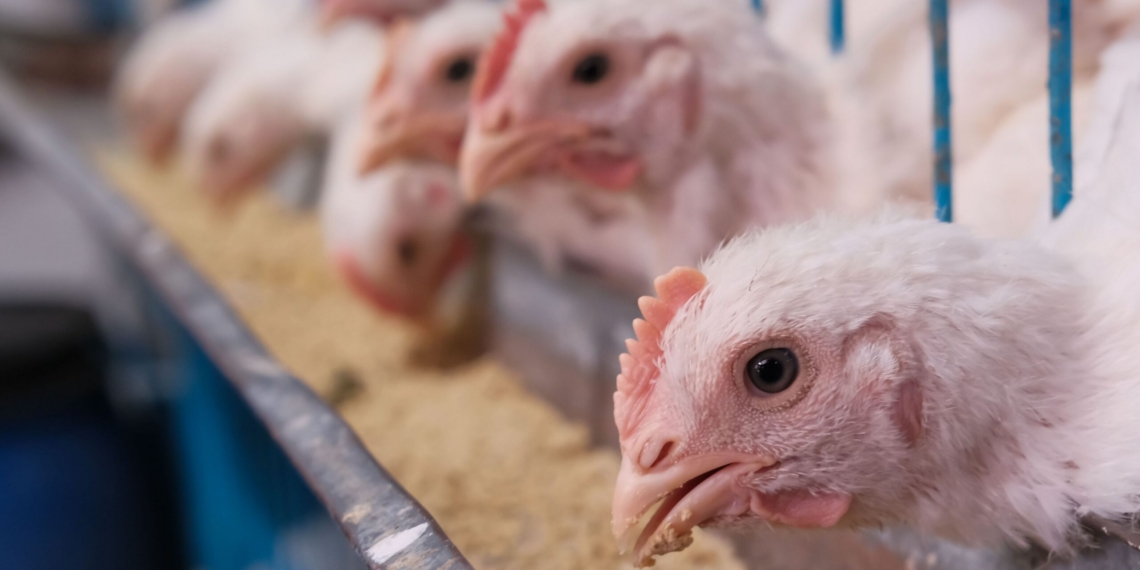
South Africa’s record maize harvest is offering near-term relief for livestock and poultry feed costs, but farmers still face uncertainty from potential El Niño-driven drought, rising fuel costs and wider input-price pressures. Photo: Pexels

South Africa’s record maize harvest is offering near-term relief for livestock and poultry feed costs, but farmers still face uncertainty from potential El Niño-driven drought, rising fuel costs and wider input-price pressures. Photo: Pexels

Share on FacebookShare on TwitterShare on WhatsApp

South Africa’s record maize harvest is providing some relief to livestock and poultry producers, but the potential return of El Niño conditions, rising fuel costs and other input pressures could limit the extent to which farmers benefit from lower feed prices.

According to the Absa AgriTrends Spring 2026 edition, the maize market is expected to remain adequately supplied for the remainder of the current marketing season, supported by record production and substantial carryover stocks.

This is expected to limit upward price pressure in the near term. However, attention is increasingly shifting towards the 2026/27 production season, where weather-related risks could influence prices.

Bumper harvest delivers temporary supply stability

Anina Hunter, Epol’s feed director, said the record maize harvest had created a favourable local supply-and-demand balance, supporting near-term stability in maize prices.

“Where there is greater availability of a key feed ingredient such as maize, this can help ease input costs for feed manufacturers and, in turn, provide some relief to livestock producers,” Hunter said.


Related stories
  • Record maize, soybean harvests reshape export outlook
  • The ‘missing middle’: Unlocking Southern Africa’s poultry potential
  • Why a JSE soymeal contract is critical for South African feed
  • El Niño: Livestock farmers need financial buffers, not just forecasts

However, she cautioned that lower maize prices do not automatically translate into an equivalent reduction in the price of finished feed.

Feed manufacturers must also account for other raw materials, procurement, manufacturing and logistics costs, while commodity markets remain volatile.

For farmers, this means the maize surplus could provide some breathing room, but it should not be viewed as a guarantee of substantially cheaper feed.

Hunter said feed accounts for about 70% of input costs, making movements in commodities such as maize particularly important to livestock producers.

“When maize and other key raw-material prices are favourable, this can provide some relief to feed costs,” she said, adding that softer commodity prices had contributed to lower feed selling prices during the past financial year.

El Niño projections and fuel costs cloud the outlook

For poultry producer and abattoir owner Jeremiah Jotham, the current maize surplus would ordinarily create expectations of lower feed costs, but the prospect of drought complicates that outlook.

“We have a good surplus, and essentially, if there were no El Niño projections and no indication that we could face a drought, I think we should see a very drastic drop in feed costs,” Jotham said.

However, he noted that farmers may need to secure reserves if drought conditions materialise, while higher fuel prices are adding further pressure to production costs.

“I think there are quite a number of factors that come into play when it comes to the final cost of feed, which obviously the farmer has to bear,” he said. 

Jotham expects the maize surplus to prevent a sharp increase in feed prices, but believes costs could either remain around current levels or rise slightly depending on the severity of the drought. He stressed that this was his personal assessment rather than a scientific forecast.

Value-chain integration: A way forward for small-scale producers

Jotham believes greater participation by smaller businesses across the feed and poultry value chain could also help address feed-cost pressures.

He pointed to the potential of integrating poultry production, abattoirs, rendering facilities and feed mills, allowing waste products such as blood from abattoirs to be processed into blood meal for use as a feed ingredient.

“If all the waste that we have from the abattoir goes to the rendering plant, and from the rendering plant to the feed mill, the only thing we then have to buy may be maize,” he explained.

He said this type of value-chain integration could significantly alter production economics for smaller producers. While strong supplies may offer short-term relief, weather risks, fuel costs, other raw materials and broader market volatility will continue to influence the final price paid for feed.

READ NEXT: Under siege: Women in farming demand action amid rising violence

Sign-up for the latest agricultural news delivered straight to your inbox every day with Mzansi Today!

Patricia Tembo

Patricia Tembo is motivated by her passion for sustainable agriculture. Registered with the South African Council for Natural Scientific Professions (SACNASP), she uses her academic background in agriculture to provide credibility and technical depth to her journalism. When not in immersed in the world of agriculture, she is engaged in outdoor activities and her creative pursuits.

Tags: Commercialising farmerfeed pricesInform meMaizePoultry farmers
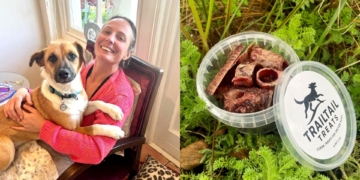
TrailTail: WC dog lover makes natural treats with local meats
Agripreneur

TrailTail: WC dog lover makes natural treats with local meats

by Vateka Halile
17th September 2026

Monika van Zyl has a passion for dog rescue and training, but she struggled to find clean, healthy treats for...

Read moreDetails
Know your water and soil: Practical tips for smarter drip irrigation

Know your water and soil: Practical tips for smarter drip irrigation

17th September 2026
Minister and Land Bank CEO tackle farm debt and funding reform

Minister and Land Bank CEO tackle farm debt and funding reform

17th September 2026
El Niño: Livestock farmers need financial buffers, not just forecasts

El Niño: Livestock farmers need financial buffers, not just forecasts

17th September 2026

The ‘missing middle’: Unlocking Southern Africa’s poultry potential

16th September 2026

Agoa extension offers relief, but SA agri needs long-term certainty

Protecting what matters: Smart insurance keeps farmers bankable

Sinalo ditched his engineering degree to farm, and it paid off

Heritage and quality shine at Chenin Blanc Top 10 Challenge

SA’s canola boom sparks investment and processing opportunities

Join Food For Mzansi's WhatsApp channel for the latest updates!

JOIN NOW!

THE NEW FACE OF SOUTH AFRICAN AGRICULTURE

With 21 global awards in the first six years of its existence, Food For Mzansi is much more than an agriculture publication. It is a movement, unashamedly saluting the unsung heroes of South African agriculture. We believe in the power of agriculture to promote nation building and social cohesion by telling stories that are often overlooked by broader society.

Maize surplus eases feed costs, but fuel and drought threaten gains

This week’s agri events: 21-25 September

Is your hemp crop too thirsty? New drone data reveals the truth

Mzansi’s first Cosmic Crisp apple harvest hits Checkers shelves

SA Olive Awards celebrate world-class quality and industry heroes

Five farming friends, one vision: Growing from setbacks to success

  • Awards & Global Impact
  • Our Story
  • Contact Us
  • Cookie Policy
  • Privacy Policy
  • Copyright

Contact us
Office: +27 21 879 1824
News: info@foodformzansi.co.za
Advertising: sales@foodformzansi.co.za

Contact us
Office: +27 21 879 1824
News: info@foodformzansi.co.za
Advertising: sales@foodformzansi.co.za

  • Awards & Global Impact
  • Our Story
  • Contact Us
  • Cookie Policy
  • Privacy Policy
  • Copyright

Chat Options

I'm Lerato, your AI assistant!
No Result
View All Result
  • News
  • Changemakers
  • Lifestyle
  • Farmer’s Inside Track
  • Food for Thought

Copyright © 2024 Food for Mzansi

This website uses cookies. By continuing to use this website you are giving consent to cookies being used. Visit our Privacy and Cookie Policy.