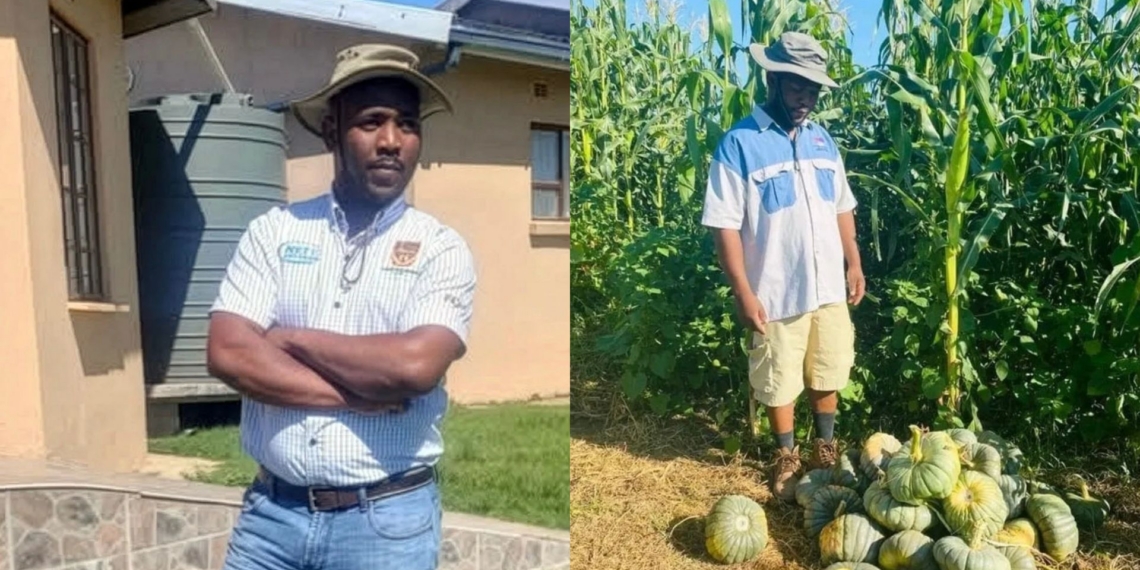
Driven by family heritage and a bold career pivot, Sinalo Xhamlashe dropped out of electrical engineering to build a thriving farming business in the Eastern Cape.
From a single hectare of vegetables cultivated during the Covid-19 lockdown to a diversified enterprise spanning livestock, piggeries, and poultry, his journey shows how passion, local mentorship, and targeted support can turn a small-scale plot into a commercial operation.
Born and raised in Ngcobo in the Eastern Cape, Xhamlashe grew up in a household centred around traditional homestead farming. The family maintained a backyard garden and raised livestock for everyday household consumption, making routine chores like watering crops second nature to him from an early age.
“I always knew that I loved agriculture growing up,” Xhamlashe recalls. “It’s in the family; it runs in my blood; I inherited it.”
He completed his primary education at Silo SPS in Engcobo before moving to Blythswood Institution in Ngqamakhwe, where he matriculated in 2013.
Despite his underlying passion for farming, his academic path initially took a different turn. He was not admitted to tertiary agricultural programmes after failing to meet the specific entry requirements.
Xhamlashe enrolled at Lovedale TVET College in 2016 to study electrical engineering, completing levels NCV 2 through NCV 4 by 2018. In 2019, he moved to Queenstown to further his studies in the N4 NATED programme at Ikhala TVET College’s Ezibeleni Campus. However, he soon realised the field was not his true calling.
“During that time, I only realised I didn’t do my research very well by choosing an electrical engineering career because I realised at some point this course requires mathematically smart people, and with me that was not the case,” he admits.
Related stories
- BenicaTheFarmer: The nurse who built an agricultural empire
- Unstoppable: Double-amputee farmer sets sights on commercial success
- 5 000 to 100 000 cabbages: EC co-op gamble pays off
- Mother’s legacy, neighbour’s grace: Venessa Simelane’s farm story
The pivot to production
Faced with this realisation, the onset of the Covid-19 pandemic in 2020 provided the decisive turning point he needed to redirect his focus back to his roots. As schools closed and students were sent home, Xhamlashe used the lockdown period to map out an income-generating future rather than treating the time off as a holiday.
By the time tertiary institutions reopened, he had committed entirely to his agricultural ambition and officially dropped out.
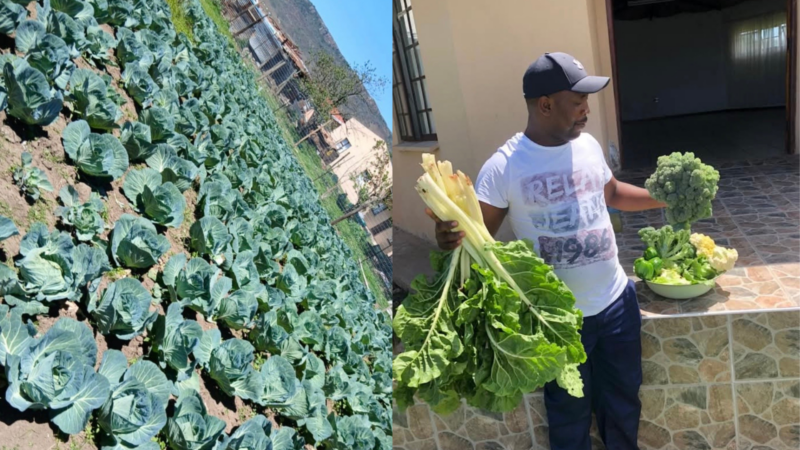
Xhamlashe began cultivating a one-hectare portion of his family’s 15-hectare plot of land, strategically selecting crops with immediate commercial demand. He launched his operation with spinach, cabbage, and onions.
“I wanted to start something that has a market and can easily sell.”
Behind his early efforts was steady family support, particularly from his uncle, Dr Mthandeki Xhamlashe. “He has been the backbone of this business from the start; he has held my hand on difficult days,” Xhamlashe shares.
Seeking to ground his practical efforts in formal systems, Xhamlashe approached the Eastern Cape department of agriculture in 2021 to introduce his fledgling operation. Officials began conducting periodic site visits to monitor his progress and offer technical advice.
Over time, this relationship evolved into close collaboration, with the department providing workshops, inputs, fertilisers, and practical assistance.
Diversifying the enterprise
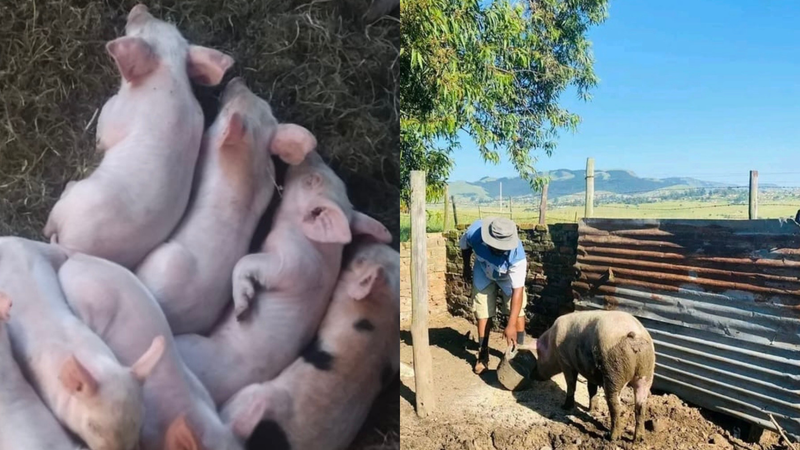
Drawing on his childhood experience with livestock, Xhamlashe expanded his business model in 2022 by introducing pigs to his farm. Following advice on high-reproduction breeds, he started with Large White pigs, purchasing one male and one female. The pair produced a first litter of 14 piglets, immediately boosting his livestock capacity.
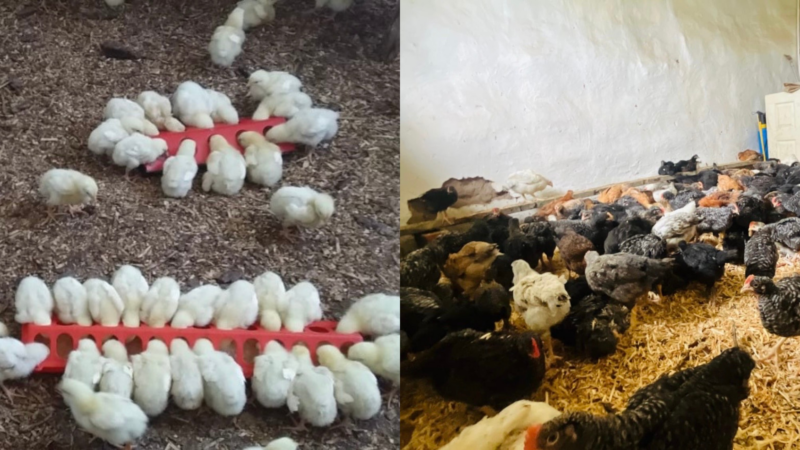
Driven by local market demand, he expanded again in 2023 by adding poultry to the farm, responding directly to his community’s appetite for fresh chickens.
By 2025, after establishing a track record of growth and preparing his operations for potential institutional funding, he officially registered his business as Xhamlashe Projects.
Growth, challenges, and future prospects
Today, Xhamlashe Projects employs two permanent workers and hires additional casual labour during peak planting seasons.
His journey from a self-taught grower to an established operator has earned formal recognition from agricultural authorities.
“Being recognised as a small-scale farmer with potential as a commercial farmer by the department of agriculture is a major milestone,” Xhamlashe says. “I am now being moved to become a commercial farmer.”
The path has not been without operational hurdles. Last year, after planting 2 500 cabbages, a temporary shift in focus led to an outbreak of black rot, serving as a harsh reminder of the constant vigilance required in crop management.
Despite crop management challenges, Xhamlashe continues to scale his business, turning a family heritage and a bold career pivot into a growing commercial enterprise.
READ NEXT: NW agri empowers 110 graduates to fight unemployment