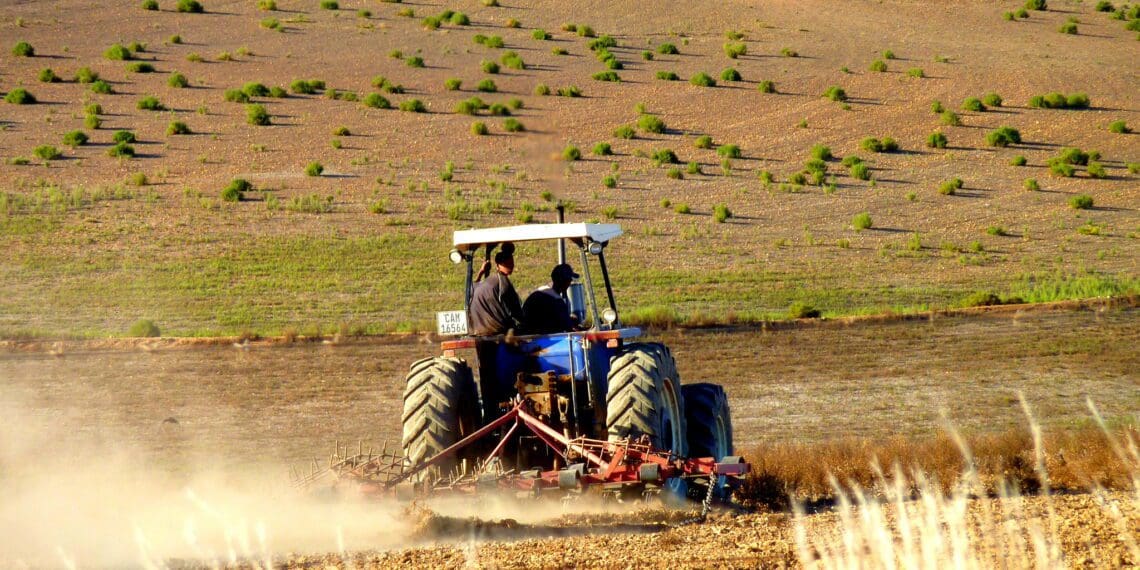
Despite the agricultural sector facing a slew of challenges this year, the sector is ending the year on a positive note. This is according to the national minister of agriculture, land reform and rural development, Thoko Didiza, who said in her year-end message that the sector will build on this optimism in the coming year.
Reflecting on the 2020/2021 season, Didiza said that the sector saw bumper harvests in field crops and horticulture, leading to increased exports from a production perspective.
Estimates by analysts suggest that the country might reach a record export value of about R173 billion this year, which will surpass 2020’s agriculture exports of about R160 billion. This was the second highest on record, and could even pass the record exports of 2018, which amounted to R167 billion, Didiza pointed out.
“The exports and markets are diversified, which speaks to the broad-based performance of the agricultural production and export markets,” Didiza said.
While the country is challenged by higher unemployment in many sectors, agriculture is one of the sectors of the economy that assist with job creation.
According to Didiza, it was encouraging to see that in the third quarter of 2021, agricultural employment increased by 3% year on year to 829 000. This is well above the long-term agricultural employment of 780 000.
When it comes to business conditions in the country, Didiza says that role players in the sector are optimistic about them.
This was demonstrated in the Agbiz/IDC Agribusiness Confidence Index’s results in the last quarter of the year, which, at 74, is the second highest score since the index’s inception in 2001.
Exports
“At the end of last year, we successfully concluded lengthy negotiations with the Philippines on citrus exports and the first shipments went through in June 2021. Since then, a total of 65 471 cartons of citrus were exported to the Philippines,” Didiza added.
Furthermore, improved market access for South African lemons to China under ideal temperature conditions was achieved, through a revised protocol signed with China in September 2021. With local lemon production expected to grow by 175 000 metric tonnes by 2024, this protocol comes at an opportune time for South African farmers.
As recently as 13 December 2021, a protocol was signed on exporting pears to China. This protocol is expected to add to the current 22% of pears from South Africa being exported, currently to the Far East.
A more inclusive future
“We will build on this optimism in the coming year, specifically with our Agriculture and Agro-processing Master Plan, which has notched good progress after several rounds of negotiations and consultations among government, business and labour.”
There is broad agreement on the need to generate practical and meaningful solutions to promote inclusive growth, access to finance, greater market access for farmers, mobilising investments and creating decent working conditions for farmworkers, Didiza highlighted.
With negotiations at an advance stage, stakeholders expect to conclude the process in the first quarter of 2022.
“We are moving towards establishing the Land Reform and Agriculture Agency, which will be instrumental in driving progress on land redistribution and post-transfer farmer support. The details of this agency will be announced in the coming year. We have made progress in conceptualising its structure,” said Didiza.
The minister said her department looked to 2022 with optimism.
The current production season started with good rains across the country, even though there are areas where the rains have been excessive and farmers faced delays with plantings.
“Still, we are receiving feedback that there is time for plantings to be completed as soon as there is sunshine. We are monitoring animal diseases that tend to be prevalent during wet seasons, and we will be interacting with livestock role players closely in the coming weeks and months.”
ALSO READ: ICYMI: Mzansi celebrates pear exports to China
Sign up for Mzansi Today: Your daily take on the news and happenings from the agriculture value chain.