As South Africa moves into the 2025–26 summer production season, early indications from the Agricultural Conditions Assessment Committee (ACAC) suggest favourable rainfall and temperature patterns that could support an excellent cropping year. Yet, as any seasoned producer knows, a strong start does not automatically translate into high yields.
Kobus van Zyl, senior agriculturalist at Omnia Agriculture, says, “Planting season may be coming to an end in some areas and has only just started in others, but the real work has only just begun.
“Producers have very little control when it comes to the weather or climate, so they need to be fully in control of the factors they can influence, and roughly 80% of those controllable factors come down to timing.”
With the growing season underway, Van Zyl has compiled a practical post-planting checklist designed to help producers position their crops for optimum performance.
Checklist for peak crop performance
- Sustainability and safety checks
Sustainable farming extends well beyond soil health. It encompasses responsible nutrient management, soil conservation, and safe handling of agrochemicals.
“Sustainability means giving the next generation the same or better opportunity to farm successfully than we have today. It also involves safe disposal of containers and waste and maintaining compliance with environmental regulations,” Van Zyl says.
Related stories
- New plant health rules to fight pests and diseases
- Plan for profit: Top tips to optimise crop production
- Hail and flooding demand critical crop insurance safety net
- Seed technology: How innovation drives higher yields & success
- Assess crop emergence and stand establishment
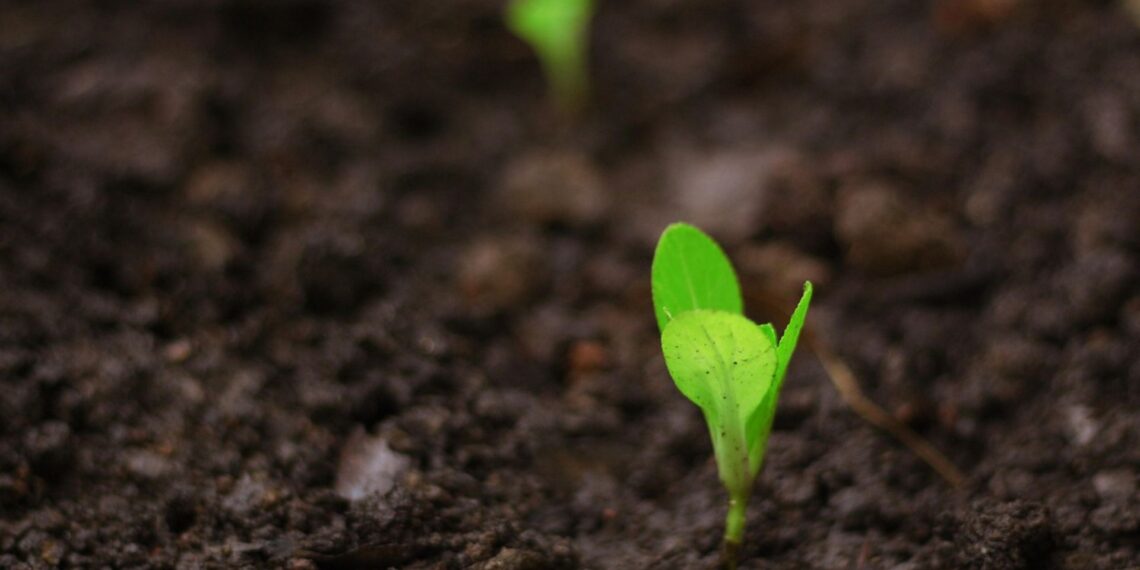
Producers should evaluate each field for even emergence and early growth. According to Van Zyl, issues such as crust formation can have a significant impact on stand establishment.
“Crust formation, where the soil hardens and prevents seedlings from breaking through, can severely affect establishment and final stand counts,” he says.
Where crusting is evident, timely corrective action such as light rotary cultivation may be required. Early assessment also enables producers to identify replanting needs before the opportunity closes.
The Food and Agriculture Organisation (FAO) notes that healthy seeds show strong germination vigour. They break through the soil surface quickly and gain an early advantage over weeds. In most cases, when weeds emerge before or at the same time as the crop, they can drastically reduce yield. But when the crop emerges ahead of the weeds, competition has little effect on final production.
According to the FAO, good crop establishment begins with:
- Full, uniform seeds that are not damaged, less than a year old, and properly stored in cool, dark, dry conditions free from pests and disease.
- Seed lots with high germination rates, free from weed seeds and foreign material.
- A fine, well-prepared seedbed that allows good soil–seed contact, with enough moisture for rapid germination and no weeds present at planting.
In contrast, shrivelled seeds or seeds exposed to stress such as drought or waterlogging during germination tend to grow slowly.

- Monitor weather and climate closely
Despite generally favourable rainfall, localised conditions can vary widely. Van Zyl highlights the need for continuous vigilance.
“Excessive rain can delay field access, limit oxygen in the soil, and stunt root growth. Conversely, extended dry spells or high winds can cause soil erosion and crop damage,” he says.
Accurate local forecasts are essential for planning fertiliser applications, pest control and irrigation scheduling, helping producers avoid unnecessary risk or product loss.
- Scout fields and track data
Routine scouting remains one of the most effective tools for early problem detection. It includes assessing plant vigour, identifying pest and disease symptoms, and capturing information on field variability.
Van Zyl points to satellite imagery as a tool that enhances this process by clearly identifying areas of poor performance. As he puts it, “If you know about a problem, you can manage it. But you cannot manage what you are not aware of.”
According to a Grain SA article, field scouting should begin even before planting.
Producers assess soil moisture levels and check for common weed species. This information guides decisions on whether pre-plant herbicide applications are necessary. Once planting is complete, scouting shifts to evaluating germination and early emergence. Farmers should look for uneven or patchy emergence and investigate the factors behind it.
- Weed, pest and disease control
Van Zyl emphasises that once scouting is complete, prompt action is crucial. Early weed control ensures the crop has unhindered access to nutrients, sunlight and moisture, while staying ahead of pests and diseases prevent expensive mid-season infestations.
- Equipment maintenance and calibration
Before top dressing, fertigation (the application of fertiliser through irrigation) or chemical applications, all machinery should be properly serviced and calibrated. Incorrect calibration risks uneven application, product waste or plant injury.
“Maintenance and calibration are especially important when crops are young and most sensitive to input errors,” Van Zyl says.
- Manage nutrient top-ups and fertiliser timing
Nutrient timing is one of the most influential factors in yield formation. “Nutrient management remains one of the most yield-defining aspects of crop production,” he says.
Top dressings and supplements should be applied at the correct crop growth stages. When working with irrigation systems, fertigation supports efficient uptake. Van Zyl advises dryland producers must synchronise applications with rainfall events to maximise nutrient efficiency.
- Irrigation scheduling and water management
Effective water management requires balancing irrigation volumes with natural rainfall. “Over-irrigation can cause nutrient leaching and root stress, while under-irrigation can reduce yield potential,” Van Zyl notes. Routine soil-moisture assessments ensure crops receive sufficient water throughout development without waste.
- Soil health monitoring
Even without immediate post-planting sampling, staying informed about soil conditions is vital. Strong soil structure supports root development and microbial activity, crucial for nutrient cycling.
“Producers should aim to preserve organic matter, avoid overworking wet soils, and address visible signs of degradation,” Van Zyl says.
- Financial tracking and input management
Finally, Van Zyl stresses the importance of aligning input use with yield potential across fields. “If one field shows poor potential, then redirect resources to areas with higher yield prospects. Using inputs wisely ensures sustainability both in the soil and on the balance sheet.”
Grain SA highlights the importance of assessing the potential profitability of different crops before planting. The process is straightforward: for each crop option, consult with representatives from various input suppliers to gather recommendations and guidance on which crops are best suited for your farm.
READ NEXT: Lerato’s legacy: Black sheep becomes broiler queen