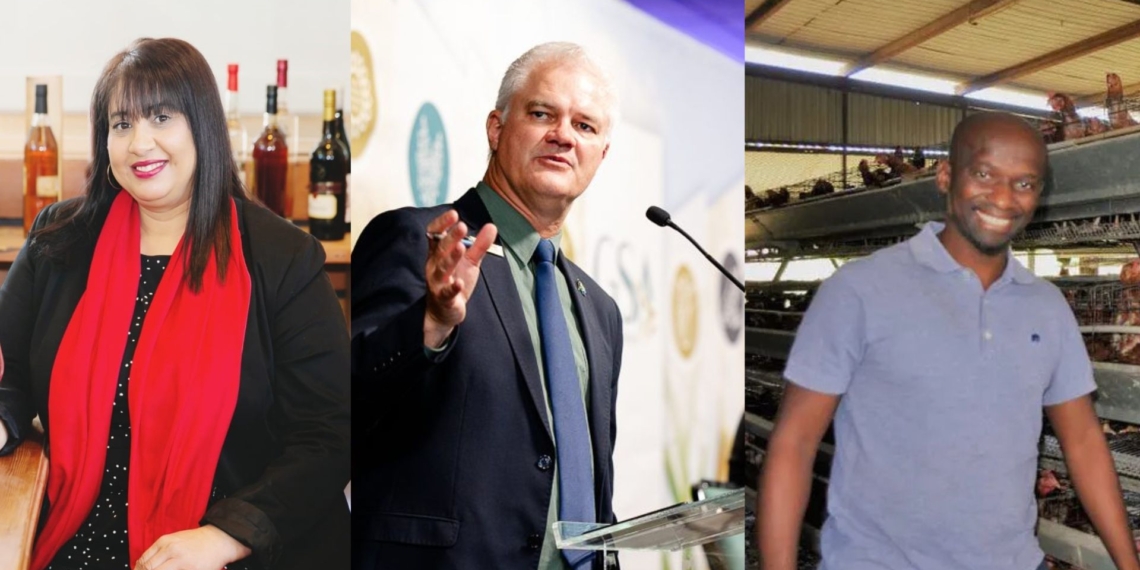
The year 2024 is drawing to an end. Food For Mzansi caught up with leaders from different commodity organisations to find out how 2024 was for them and their hopes for the year ahead.
It was filled with many chapters in the agricultural space and while some experienced defeat, others felt their spirit was renewed.
Karla Zietsman, general manager at Sappo
2024 was a very tough trading year for pig farmers. Pork prices did not increase; even the anticipated increase in demand for pork which drives prices higher in the last quarter of the year, did not materialise.
High feed costs, driven by adverse weather during the crop-growing season, exacerbated the situation. While slight increases in slaughter numbers in the latter half of the year reflected improved productivity, they did not signify industry expansion.
Unless a significant improvement in economic growth occurs, both demand and price will remain under pressure for all meat proteins. Sappo plans to intensify marketing efforts to position pork as an affordable and versatile option amidst these economic challenges.
Fhumulani Ratshitanga, CEO Fruit SA
Various challenges like climatic shifts, pricing issues in international markets, diminishing consumer buying power, rising input costs, electricity supply, and port challenges have contributed to a rather difficult past 2–3 years for the fresh fruit industry.
Despite these challenges, the industry has continued to produce and export high-quality fruit to consumers around the world. I remain positive about industry prospects in 2025.

And Transnet’s recent strategic investments to improve efficiency were met with positivity from the fresh fruit industry. However, the impact may only be seen by the industry somewhere beyond 2025.
Fruit SA and the South African fresh fruit industry at large will be staying the course, working collectively toward strengthening collaboration with our government for more favourable trade terms, and growing global market share.
Related stories
- EC farmers thrive with Potatoes SA’s enterprise programme
- Citrus exports drop amid resilient 2024 season
- Rising demand fuels SA olive oil industry
Hanrie Greebe, Potato SA communications officer

The weather conditions led to frost damage in critical production regions, adversely affecting yields during the October harvesting period, particularly in the Limpopo area. Additionally, the Eastern Free State experienced significant rainfall, causing soft rot and quality deterioration.
Good rain in the Western Cape has led to an enhancement in the water levels of Verlorenvlei. The introduction of the Potatoes SA app, providing real-time market insights, further empowered growers and buyers.
Looking forward, we aim to enhance the utilisation of data to assist growers in making more informed decisions and to incorporate high-quality small potatoes into school feeding programmes to address child nutrition.
Kobedi Pilane, CEO of African Poultry Producers (APP)
Surprisingly, [at] the end of this year the department of trade and industry invited APP to review the Poultry Master Plan which the department acknowledges has been implemented poorly and not supported by monopoly broiler producers who have made commitments to make a success of the Poultry Master Plan.
It has been tough for smallholder producers. Even though electricity production has been stable, the increasing tariffs have not made it easy for small-scale producers. The demand for poultry is again in high demand.
We also expect to have more producers from black communities to be commercial in the new year. With the assistance of the APP, we will have qualified new black producers entering the market.
Justin Chadwick, CEO of Citrus Growers’ Association (CGA)
Warm and dry weather reduced fruit sizes, while three severe weather events – frost in Limpopo, floods in Citrusdal, and strong wind in the Eastern Cape – affected crops. Inefficiencies at ports compounded these issues, resulting in income losses for growers.

For 2025, we are working towards expansion in access to India, which holds immense potential. Resolving trade disputes with the European Union will also be pivotal, as the bloc accounts for a third of South Africa’s citrus exports.
Tobias Doyer, CEO of Grain SA
Late rain and very high temperatures, especially in the eastern Highveld, have made the season challenging. Urgent rain is needed to prevent crop damage.
Maize stocks remain tight, necessitating a good harvest in the 2024/25 season. Soybean markets face pressure from fluctuating global supply and demand dynamics, with biofuel production emerging as a significant factor.
If South and North America achieve good yields again next year, this could contribute to an excess of global supplies, which could affect local parties.
Wendy Petersen, CEO of SA Olive
The olive industry stands at a pivotal moment, with significant potential to emerge as a key player on the global stage. However, realising this vision requires meticulous planning and execution. In 2024, we took significant steps to refine our strategies and improve our processes, challenging the status quo in pursuit of greater effectiveness and efficiency. We are proud of these advancements and their impact on our organisation and the broader industry.
As we turn our sights to 2025, our primary goal will be to implement the sustainable growth plan we’ve developed. This plan is designed to create tangible value for our members and producers, focusing on actionable steps to achieve our objectives.
The SA Olive tasting panel is one of our key assets, and in 2025, we aim to elevate its profile both nationally and internationally. We envision our panel and judges gaining recognition for their expertise and contributions.
Collaborating with international panels and attracting new, trained panel members will be essential in this endeavour. The tasting panel plays a crucial role in the Commitment to Compliance (CTC) scheme, ensuring that our producers adhere to the highest standards.
READ NEXT: Proactive action needed as North West water levels drop
Sign up for Mzansi Today: Your daily take on the news and happenings from the agriculture value chain