In a landmark event for African agriculture, South Africa on Monday played host to the official launch of the Comprehensive Africa Agriculture Development Programme (CAADP) Strategy and Action Plan (2026–2035) alongside the Kampala Declaration.
This gathering of continental leaders, experts, and development partners marks a critical step toward transforming Africa’s agriculture and rural economies over the next decade.
The event, held in Johannesburg, brought together high-level dignitaries including Moses Vilakati, AU commissioner for agriculture, rural development, blue economy, and sustainable environment; Frank K. Tumwebaze, Uganda’s minister of agriculture, animal industry and fisheries and chair of the AU specialised technical committee on agriculture; and Nardos Bekele-Thomas, CEO of AUDA-NEPAD.
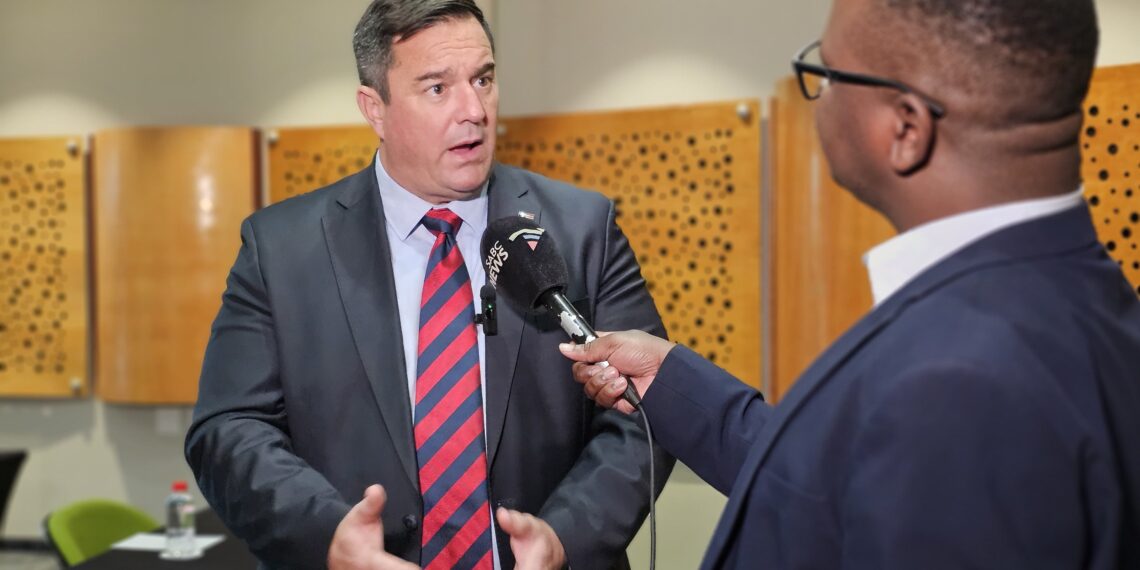
Agriculture minister John Steenhuisen expressed optimism about the road ahead. He described Johannesburg as the “gateway into our continent”. He pledged that South Africa would continue to provide strong political leadership and commitment to advance agricultural growth and productivity across Africa.
The CAADP Strategy and Action Plan (2026–2035), together with the Kampala Declaration, are central pillars of the African Union’s broader Agenda 2063 – the continent’s strategic framework for inclusive growth and sustainable development.
Steenhuisen noted that these initiatives come at a pivotal moment, as Africa grapples with a range of challenges, including sluggish economic growth, geopolitical tensions, food inflation, climate change, and disease outbreaks.
Related stories
- Steenhuisen: ‘Ubuntu key to global food and climate crisis’
- Agri-fintech partnerships unlock new capital for African farming
“Engaging in global trade is a vital component of national food security strategies,” Steenhuisen said, but he cautioned against excessive reliance on international markets, which could expose African nations to supply chain disruptions. The new CAADP plan, he noted, offers valuable insights into overcoming current challenges, particularly for smallholder farmers.

Investment and innovation key to Africa’s agricultural future
A key theme running through the minister’s address was the importance of investment in Africa’s agricultural sector.
He underscored that attracting both public and private investment is critical for combatting poverty, reducing hunger, and boosting agricultural productivity. Strengthening resource mobilisation and ensuring the efficient allocation of available resources were identified as top priorities.
The minister also emphasised the role of governments in the innovation system – not only as investors in research and knowledge creation but also as advocates for the widespread use of new technologies.
“The agrifood system requires innovative technologies to adapt suitably to local social conditions,” Steenhuisen said, highlighting the need to address market failures and government resource limitations that often obstruct progress.
The CAADP strategy recognises the importance of tackling systemic challenges, such as the degradation of water and land resources, pest and disease pressures, and climate change. Importantly, it also stresses the need for data-driven decision-making.
Steenhuisen pointed to the ongoing challenge of data management, noting that robust evidence and information are vital for improving agricultural performance and policy-making.
In line with the Kampala commitments, the strategy calls for a multisectoral approach, one that integrates agricultural and nutrition policies with the realities of rapid urbanisation, youth demographics, and shifting social dynamics. Steenhuisen acknowledged that addressing hunger and poverty in Africa’s slow-growing economies would require coordinated efforts across sectors – from health and education to trade and infrastructure.
Looking ahead, the minister urged continuous assessment and accountability to ensure that Africa’s agricultural ambitions remain grounded in reality. “We must thoroughly assess our progress across various sectors,” Steenhuisen said, underscoring the need for a practical and inclusive platform that can attract investment, particularly for women and youth in agriculture.
READ NEXT: NSPCA exposes horror at state-funded Daybreak poultry farms
Sign up for Mzansi Today: Your daily take on the news and happenings from the agriculture value chain