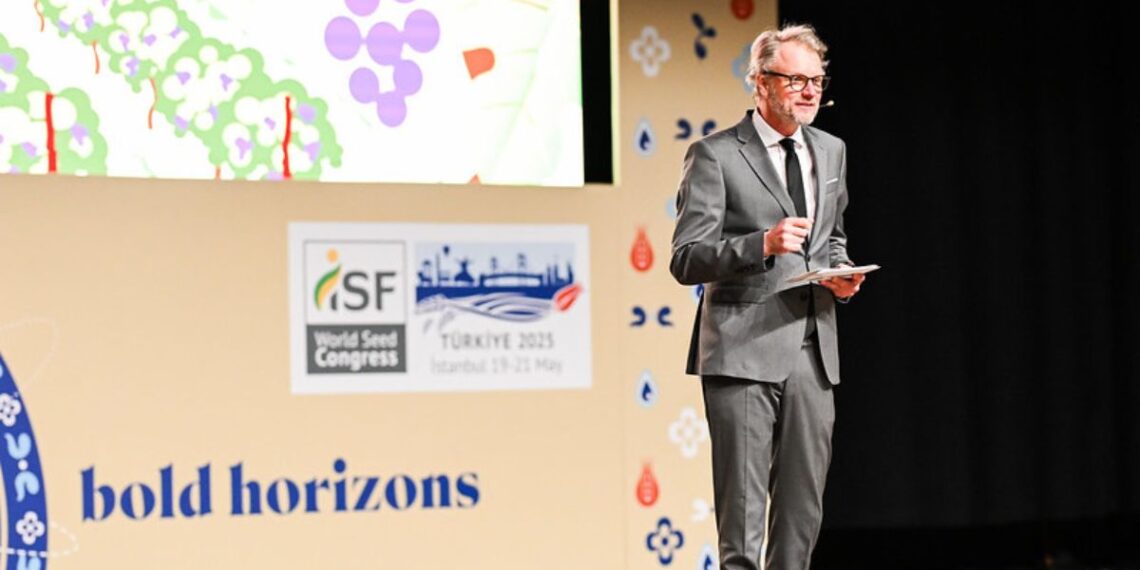
South Africa is represented by more than 30 delegates at the World Seed Congress 2025, currently underway in Istanbul, Turkey, where global seed industry leaders are grappling with mounting trade uncertainties that could threaten food security worldwide.
Organised by the International Seed Federation (ISF) in partnership with Turkey’s national organising committee, the congress has drawn over 1 600 delegates from more than 70 countries, with 27 hours of trading scheduled across three days, featuring 75 exhibition booths, 300 trading tables, and seven panel sessions.
Among the South African contingent is Lukeshni Chetty, general manager of the South African National Seed Organisation (Sansor).
Taking place under the theme “Discovering bold horizons,” the event seeks to confront critical challenges facing the global seed trade, including escalating tariffs, regulatory fragmentation, and climate-induced food insecurity.
ISF president Arthur Santosh Attavar, who also serves as managing chair of Indo-American Hybrid Seeds, this morning opened the congress with a stark warning about the risks posed by growing trade barriers.
“As an inherently global sector that relies on the free movement of seeds across borders, the seed sector thrives on exchange and connection,” Attavar said. “But today, trade barriers like tariffs present a major challenge for seed firms globally, adding to already complex regulatory hurdles.”
Related stories
- Sansor: How to spot uncertified seed and why it matters
- Local seed supply key to Zambia’s food security
The congress comes at a pivotal moment for the seed industry. Ongoing geopolitical tensions and shifting trade policies have intensified concerns over the free movement of seeds, an essential component of stable food systems.
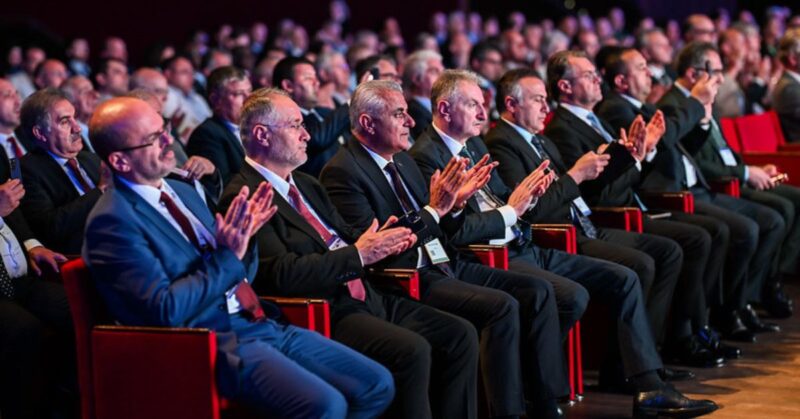
Seed industry calls for unity amid rising trade barriers
Michael Keller, secretary general of ISF, noted the compounding pressures faced by seed companies worldwide.
“Every day, companies must navigate a maze of phytosanitary rules, genome editing regulations, and intellectual property laws to bring new varieties to market,” Keller said. “The added uncertainty from tariff disputes makes long-term investment and innovation even more difficult.”
The congress programme includes a wide range of sessions addressing global seed movement, plant breeding innovations, and the role of seed in building climate-resilient food systems. Special attention is being paid to combating illegal seed practices, protecting biodiversity, and addressing misinformation within the sector.
Turkey’s prominent role as host underscores its global agricultural leadership. With a seed breeding legacy dating back to the 1880s, the country now ranks first in Europe and among the top 10 agricultural producers globally.
“We are proud to welcome the global seed community to Turkey,” said Burak Gönen, co-chair of the Turkish national organising committee. “As a bridge between continents, cultures, and innovation, our country is a fitting venue for this prestigious event.”
His co-chair, Yıldıray Gençer, echoed the sentiment, describing the congress as a “shared responsibility.”
“This event is not just a knowledge exchange, but a moment to strengthen international cooperation and highlight the seed’s essential role in building resilient food systems.”
Amid global uncertainty, congress organisers are urging governments and private sector actors to collaborate more closely to ensure seed remains accessible, affordable, and available, regardless of borders.
READ NEXT: Biotechnology offers hope for Africa, but politics hold it back
Sign up for Mzansi Today: Your daily take on the news and happenings from the agriculture value chain.