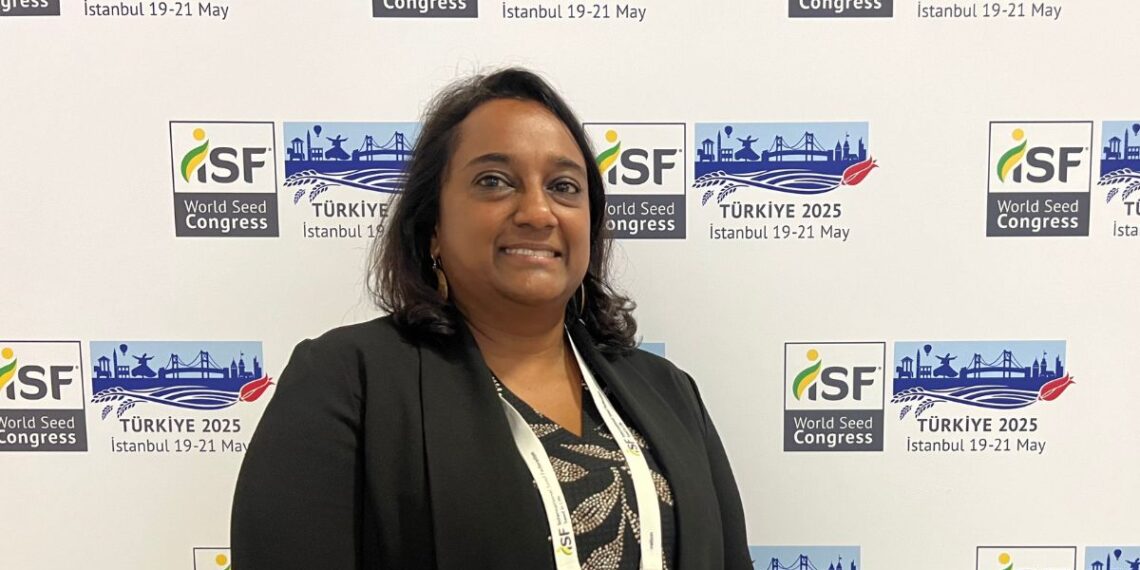
“There is a lot of fear and misunderstanding about what GMOs can do. But the facts speak for themselves,” argues Dr Lukeshni Chetty, general manager of the South African National Seed Organisation (Sansor). She made these remarks in an interview with Food For Mzansi at the 2025 World Seed Congress in Istanbul, Turkey.
With nearly 2 000 delegates attending from around the world – including over 30 South Africans – the congress provides a crucial platform to address critical issues facing the global seed industry, particularly public concerns surrounding genetically modified organisms (GMOs) and biotechnology.
The battle against GMO misinformation
Chetty highlighted how misinformation and fear around biotechnology seeds have persisted for decades, often overshadowing the tangible benefits biotechnology has brought to farmers.
“Since the introduction of biotechnology, farmer productivity has significantly improved,” she explained. “Without these innovations, South Africa would struggle to be the net exporter it is today. Biotechnology has lessened the input burdens on farmers and enhanced their competitiveness.”
South Africa plays a vital role within the African seed market, especially in vegetable seed production for both local and international companies.
Related stories
- SA joins global seed talks as trade threatens food security
- Hybrid seeds: Tips for optimising maize yields
Despite challenges like geopolitical tensions and complex regulations, Chetty noted South Africa’s resilience and ongoing commitment to innovation. “We are here to bring farmers the best seed technologies to help them be productive and profitable,” she said.
One of the biggest obstacles remains market access, as Chetty pointed out. “Biosecurity requirements and lengthy regulatory approval processes delay our ability to enter new markets,” she added. “If we could streamline these processes, South African seed companies could expand their footprint more quickly and widely.”
The World Seed Congress, with delegates representing over 70 countries, offers South African companies and Sansor an invaluable opportunity to engage in policy discussions, forge partnerships, and conduct business on a global scale.
Chetty expressed optimism about the event’s potential impact: “This is a great platform for South African seed stakeholders to be heard and to access new opportunities.”

Calls to streamline regulations and expand market access
Meanwhile, Michael Keller, secretary general of the International Seed Federation (ISF), noted the forward-looking nature of the seed industry, adding that “what we are breeding today goes to market in some years.” This highlighted the long-term vision required to meet global challenges such as climate change.
Keller highlighted opportunities for private sector growth and collaboration, saying, “We need indigenous seeds, traditional knowledge, and seeds coming from the private sector because the private sector… has our capacities, we have our breeding programs on a diverse range of crops.”
He furthermore warned that misinformation could impede these cooperative efforts that are vital for innovation. Arthur Santosh Attavar, ISF president, reflected on the congress’s role in fostering knowledge exchange among delegates from emerging markets and vulnerable regions. “Everyone is coping with climate and its effect on seed production and timely delivery of seed, which is so important.”
Attavar stressed the importance of inclusive progress, noting the congress’s showcase of “newer cutting edge technologies from small startups to large corporations,” which misinformation can unfairly discredit, slowing the adoption of vital innovations.
ALSO READ: SA joins global seed talks as trade threatens food security
Sign up for Mzansi Today: Your daily take on the news and happenings from the agriculture value chain.