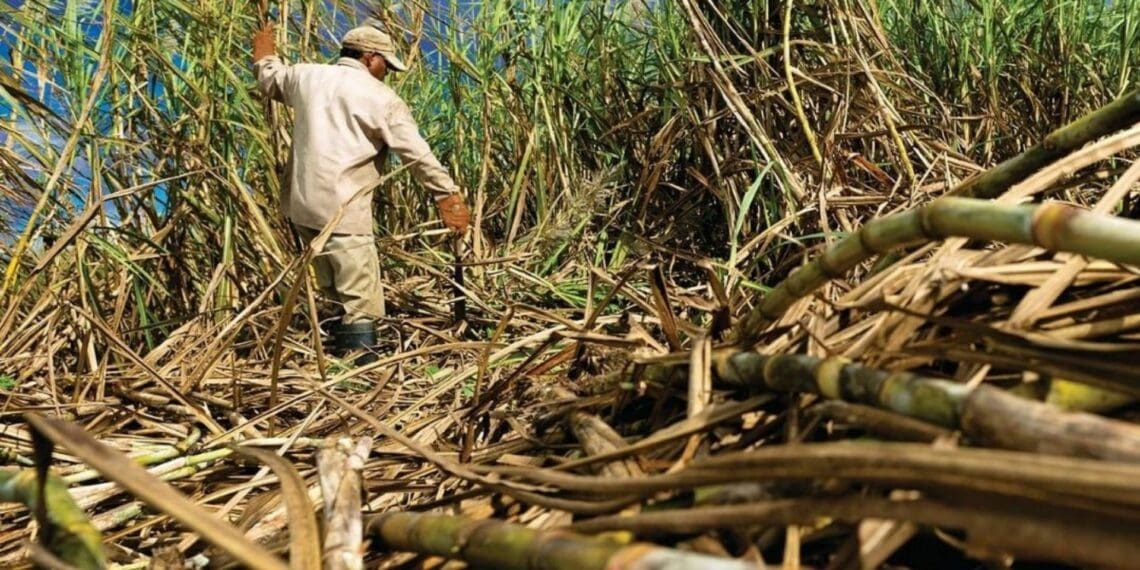
The SA Canegrowers have called on the minister of finance, Enoch Godongwana, to use the upcoming medium-term budget to scrap the health promotion levy (HPL), commonly called the sugar tax.
Godongwana is expected to table the medium-term budget policy statement on Wednesday, 21 October 2026, in parliament.
However, SA Canegrowers said that since the introduction of the sugar tax in April 2018, it has caused severe damage to the sugar industry.
Losses in jobs and sugar sales
According to the organisation, it has led to multi-billion-rand revenue losses and substantial job losses in a country with one of the highest unemployment rates in the world, and contributed to the permanent closure of two mills in KwaZulu-Natal.
“The Nedlac-commissioned study on the HPL’s socio-economic impact found that by 2019 the industry, covering both sugarcane farming and milling, had lost 16 000 jobs. In the levy’s first year alone, the industry lost 250 000 tons of sugar sales.
“The sugar industry is facing an unprecedented confluence of crises that have left growers and the million livelihoods who depend on them on the brink of financial disaster. At present, due to various reasons, the current harvesting season has seen an 18% drop in sugarcane delivered to mills compared with the previous season,” SA Canegrowers said.
Related stories
- Choosing local sugar is critical to keeping SA’s heritage alive
- Government hikes sugar import price, but industry warns of gap
- Global food prices ease as grain and sugar costs fall
- NW government boosts Taung lucerne farmers with new packhouse
It further cited that the tax has also seen a 17% drop in the recoverable value extracted from that cane as it is processed. It is expected that the milling season may be extended for longer than usual this year, but should there not be a recovery in volumes of sugarcane crushed, smaller harvests will lead to losses for growers.
“This will further compound the impact of over two years of foreign sugar flowing into the country due to weak tariff structures and enforcement, and the ongoing business rescue process at Tongaat Hulett. Through all of this, the sugar tax has continued to turn beverage manufacturers away from locally produced sugar.
“South Africa’s sugar industry supports over a million livelihoods. They include more than 27 000 small-scale growers, farmworkers and cane cutters, mill employees and engineers, and small and large businesses that support the production, transport, and sale of sugar,” SA Canegrowers further stated.
An ongoing burden on the sugar industry
Chairman of SA Canegrowers, Higgins Mdluli, said small- and large-scale growers are being hit from every side.
“Less cane is reaching the mills, and local sugar processed at the mills is being displaced from retail shelves by foreign sugar. Growers and millers have committed through the Sugarcane Value Chain Master Plan to create a future for the industry, but we need the same commitment from government policies. The sugar tax is a burden on the sugar industry that the government can lift immediately.
“As long as the levy remains on the books, growers, millers and investors cannot plan adequately for the future. Diversification needs long-term capital, and long-term capital needs policy certainty. The only way to provide that certainty is to scrap the sugar tax,” Mdluli said.
He urged President Cyril Ramaphosa and his administration to scrap the sugar tax entirely.
“Doing so would give the industry the opportunity to focus on forward-looking initiatives, and the role that the sugar industry can play in green industrialisation,” he said.
READ NEXT: R14m investment strengthens SA’s livestock disease surveillance