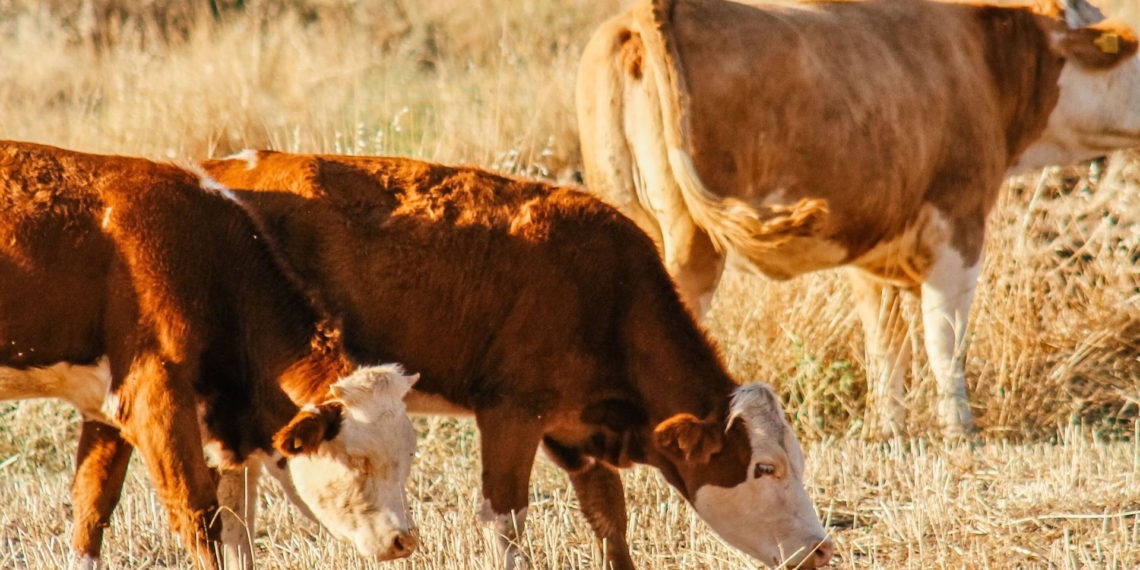
South African livestock farmers are heading into a critical breeding period as the 2026/27 summer season begins, but the expected El Niño weather conditions could make this breeding season more challenging.
With El Niño typically associated with below-normal summer rainfall and higher temperatures, reduced grazing and water availability could affect livestock body condition, fertility and the success of the next calving season.
The timing makes early preparation particularly important. A planned breeding season is designed to align calving with periods of better natural grazing and seasonal rainfall, supporting cow fertility, milk production and calf weaning weights.
However, if the expected drier summer conditions materialise, farmers may need to manage nutrition, water, heat stress and animal health more carefully to maintain reproductive performance.
El Niño outlook remains a concern
The department of agriculture noted that above-normal rainfall during the 2025/26 summer season improved dam levels and soil moisture across most summer rainfall areas.
The Seasonal Climate Watch indicates that El Niño is occurring and is expected to continue through the 2026/27 summer, with many areas showing below-normal rainfall.
The department warns that El Niño-related dry conditions and heat stress can contribute to livestock mortality, particularly where risk-reduction measures are not implemented. Low rainfall can also result in water restrictions and increase concerns around pests and diseases.
For livestock producers, this means the breeding season should not be planned in isolation from the weather outlook.
Related stories
- El Niño: Livestock farmers need financial buffers, not just forecasts
- Beyond bumper harvests: Why SA must prepare for super El Niño
- High dam levels offer temporary cushion as SA braces for El Niño
- R14m investment strengthens SA’s livestock disease surveillance
Align breeding with available grazing
Red Meat Industry Services (RMIS) livestock technical adviser, Ashell Maenetja, said breeding planning is critical because it determines the calving season and supports production, vaccination and herd-management planning.
“Planned breeding should, where practical, coincide with peak natural grazing and seasonal rainfall to maximise herd fertility, milk production and calf weaning weights,” Maenetja said.
Maenetja advised that heifers reach 60% to 65% of their expected mature weight before breeding, while cows and bulls should ideally have a body condition score of 3.5 at the start of mating. Heifers can be bred about a month earlier than the main herd if they have reached their target weight.
According to Maenetja, farmers should assess nutritional requirements before breeding, as veld quality varies across South Africa. Depending on conditions, protein and strategic energy supplementation may be required, while phosphate lick can complement summer grazing.
He recommended pre-mating injectable trace-mineral supplementation approximately four to six weeks before breeding. Where practical, this can be combined with scheduled vaccinations to reduce handling and stress.
Pre-breeding vaccinations should be completed about 30 days before breeding. Farmers must distinguish between modified live and inactivated vaccines and follow product instructions carefully, particularly where pregnant animals are present.
Check bulls and control parasites
Bull fertility is central to a successful breeding season. Maenetja recommended veterinary breeding soundness evaluations covering physical soundness, scrotal circumference and semen quality.
Farmers should also avoid putting newly purchased bulls directly into service. “Spermatogenesis takes about six weeks; therefore allow breeding bulls to be on your farm two months prior to breeding,” Maenetja advised.
He referred to Prof. Frikkie Neser of the University of the Free State, who also recommends testing bull fertility before and during breeding, as well as testing and vaccinating bulls for venereal diseases.
According to Maenetja, parasite control should not be overlooked. Internal parasites can reduce productivity and body condition, while ticks and mites can transmit diseases and affect appetite, conception and milk production. Farmers should work with veterinarians and animal health technicians on area-specific parasite-control programmes.
Use current conditions to prepare
Agricultural economist Wandile Sihlobo said recent rainfall has improved soil moisture but has not changed the broader El Niño outlook.
“The rains… at the end of September are valuable, and they help in improving soil moisture, but they are by no means changing the prospects for the upcoming season,” he cautioned.
The improved starting position is nevertheless better than during the severe 2014–2016 drought, when cattle deaths were reported in parts of the Eastern Cape.
Sihlobo noted that for livestock farmers, the priority is to use current conditions to prepare for potentially hotter and drier weather by monitoring grazing, water availability, animal condition and disease risks.
READ NEXT: Sustainability must pay off for smallholders, say food experts