Sunday, September 6, 2026
SUBSCRIBE
22 GLOBAL MEDIA AWARDS
Food For Mzansi
  • News
  • Changemakers
  • Lifestyle
  • Farmer’s Inside Track
  • Food for Thought
No Result
View All Result
  • News
  • Changemakers
  • Lifestyle
  • Farmer’s Inside Track
  • Food for Thought
No Result
View All Result
Food For Mzansi
No Result
View All Result
in Farmer's Inside Track, Lifestyle

Seed Day: How you can save seeds and money

In honour of International Seeds Day today, Food For Mzansi takes a look at how to save seeds which is possible through a little bit of garden intervention like knowing your species as well as making notes and labelling them

by Michele Fourie
26th April 2023
Seed Day: How you can save seeds and money

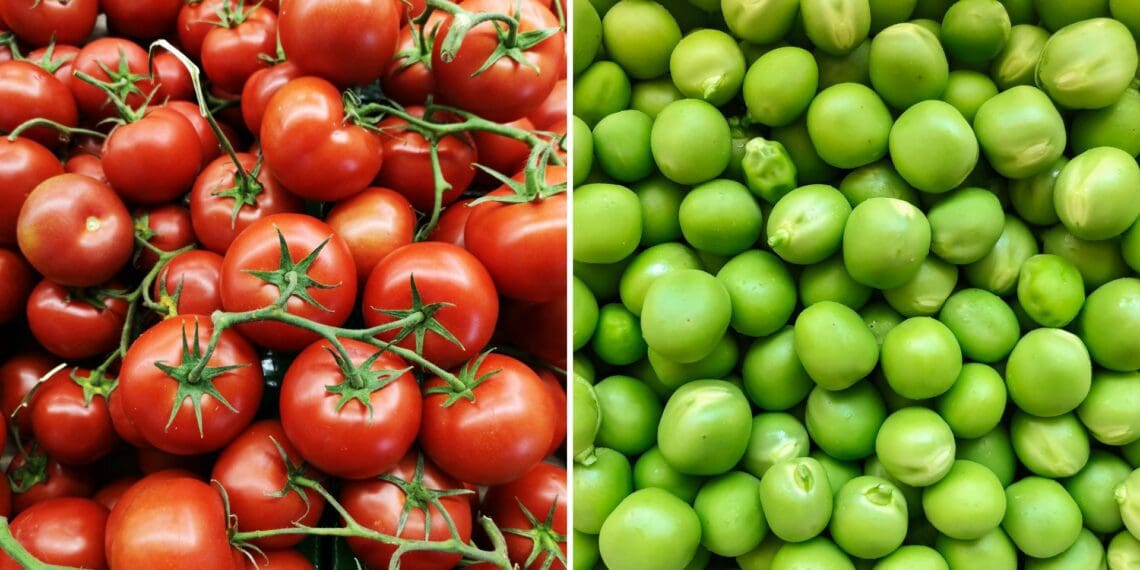
When you are planning to save seed, it is advisable to start with easy crops. Photo: Supplied/Food For Mzansi

Share on FacebookShare on TwitterShare on WhatsApp

Saving seed is exciting and a very honourable duty. To save pure seed, you want to prevent cross-pollination between two different varieties of the same species. If the seeds you aim to save are not cross-pollinated with other varieties from the same species, you will be able to keep them for generation after generation.

Hybrid plants are created by cross-pollination between two different varieties and do not produce similar plants to the parent plant. Open-pollinated varieties will keep their specific characteristics if they are pollinated within the same specific species. If you plant just one variety in a species, you will be saving pure seed.

It is imperative that you know which variety your plant is. Knowledge of your plant’s scientific name will aid in knowing which plants may cross-pollinate.

Annuals, like lettuce, tomatoes and peppers flower, set seed and die in one growing season. Carrots and onions, for example, are biennials and won’t flower until they have gone through a cold season and through their second growing season.

Perennial plants, on the other hand, survive and flower for many years. It is important to know your plant species as most crops in a garden are from varied species, but not always.

Which seeds work best

When you are planning to save seed, it is advisable to start with easy crops. Peas, beans, tomatoes and lettuce are easy to start with. Ensure that you grow enough plants. Some crops have a challenging time producing seeds whereas others reproduce with one single plant.

Having a too-small population size of a seed crop could result in certain genetic diversity being lost over time. This might result in a decrease in plant stature, germination, vigour and yield.

Sometimes a little garden intervention is necessary to prevent and limit inter-variety cross-pollination. Knowing your species will aid you in deciding what space is needed between varieties.

Advanced intervention methods, e.g., bigger isolation distances, hand pollination and pollination barriers can be used for others. When collecting your seeds, it is important to know when the seeds are mature. Wet fruit seeds are not mature once the fruit is ready to eat. Immature seeds are still edible, and some fruits should be left to fully mature.

Lettuce, grains and beans can be removed when the seeds are dry and hard. Harvesting these is as simple as going out into the garden and handpicking a few mature seedpods. Knowing how to harvest the seeds will aid you greatly when harvesting.

Labels can make all the difference

While some crop seeds are longer lived, certain crops, like onion and carrot seeds are short-lived. Labelling them and making useful notes on when you harvested them, where you sourced them from, and the number of plants that you harvested from is crucial.

Store them in a cool, dry and dark place. Properly dried ones can be sealed and stored in the fridge or freezer for many years. Saving them will preserve their genetic diversity and save the seeds from extinction and make them available to future generations.

This article was first published on Seeds For Africa and written by Michele Fourie.

READ NEXT: Seeds Day: ‘We need quality seeds for quality produce’

Get the Mzansi Flavour newsletter:  A weekly serving of crave-able recipes and handy lifestyle tips. 

Michele Fourie

Michele Fourie is the Seeds for Africa General Manager. Michele loves growing beautiful flowers, chilli plants and is passionate about exceptional customer. service. Michele is also a fundi in the kitchen.

The future of Mzansi's sugar industry hangs in the balance
News

Government hikes sugar import price, but industry warns of gap

by Staff Reporter
3rd September 2026

South Africa’s government has adjusted the sugar import reference price from $680 to $785 per tonne to curb surging imports....

Read moreDetails

Chicken is booming, but the real money is in the supply chain

2nd September 2026
How Tebogo beat post-harvest losses with smart agro-processing

How Tebogo beat post-harvest losses with smart agro-processing

2nd September 2026

Aucamp outlines strategy for biosecurity, trade, and infrastructure

2nd September 2026
Tobias Doyer, CEO of Grain SA. Photo: Supplied/Grain SA Facebook

Rising costs, climate risk push Swartland wheat farmers to the brink

2nd September 2026

Beyond finance: Making women-led farms bankable

Potato turning point ahead as onions double in price year-on-year

Tough times, hardy cattle: Why Mzansi farmers are choosing Nguni

How to align your farming cycles with long-term financial success

Foot-and-mouth crisis hits SA dairy industry with R1-billion loss

Join Food For Mzansi's WhatsApp channel for the latest updates!

JOIN NOW!
Next Post
USkepe bubungqina obuphilayo bokuba ekunyamezeleni kukho umvuzo

USkepe bubungqina obuphilayo bokuba ekunyamezeleni kukho umvuzo

THE NEW FACE OF SOUTH AFRICAN AGRICULTURE

With 21 global awards in the first six years of its existence, Food For Mzansi is much more than an agriculture publication. It is a movement, unashamedly saluting the unsung heroes of South African agriculture. We believe in the power of agriculture to promote nation building and social cohesion by telling stories that are often overlooked by broader society.

RSVP now: Emerging farmers’ programme at Nampo Cape

Community-led farms boost food security and incomes in Limpopo

Farmers rethink water use as shortages threaten food production

Honoured roots: A father’s legacy, a daughter’s farming dream

Gauteng farmers urged to harness massive urban market

Foot-and-mouth crisis hits SA dairy industry with R1-billion loss

  • Awards & Global Impact
  • Our Story
  • Contact Us
  • Cookie Policy
  • Privacy Policy
  • Copyright

Contact us
Office: +27 21 879 1824
News: info@foodformzansi.co.za
Advertising: sales@foodformzansi.co.za

Contact us
Office: +27 21 879 1824
News: info@foodformzansi.co.za
Advertising: sales@foodformzansi.co.za

  • Awards & Global Impact
  • Our Story
  • Contact Us
  • Cookie Policy
  • Privacy Policy
  • Copyright

Chat Options

I'm Lerato, your AI assistant!
No Result
View All Result
  • News
  • Changemakers
  • Lifestyle
  • Farmer’s Inside Track
  • Food for Thought

Copyright © 2024 Food for Mzansi

This website uses cookies. By continuing to use this website you are giving consent to cookies being used. Visit our Privacy and Cookie Policy.