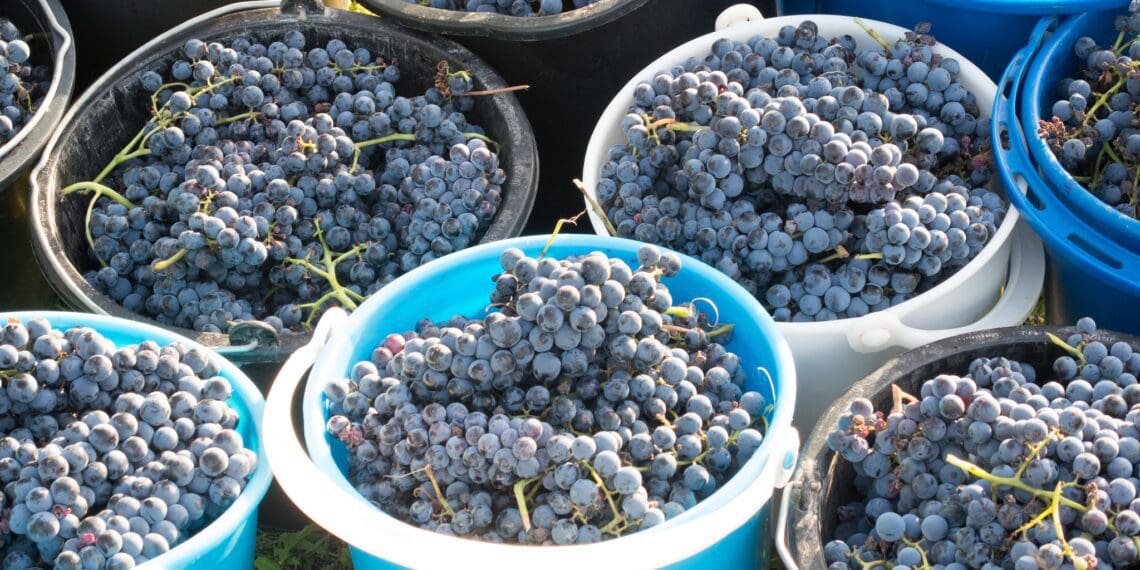
As South Africa’s wine grape harvest season approaches, the fourth estimate from viticulturists and producer cellars indicates that the harvest will be smaller than in 2022. However, experts believe the excellent quality of the grapes will lead to the creation of remarkable wines.

Conrad Schutte, manager of the Vinpro team of viticulturists, which issues the crop estimate together with the industry body, SA Wine Industry Information and Systems, (SAWIS), says: “Winemakers and viticulturists are however in agreement – the excellent quality grapes hold a big promise for the making of remarkable wines.”
The warm and dry winter leading up to the season was mostly warmer than usual across all wine-producing regions, while the rainfall was significantly less, except for the Northern Cape. Budding occurred earlier and evenness was satisfactory.
However, strong growth driven by optimal photosynthesis together with the drier soil conditions affected set negatively in certain areas. Colombar and cabernet sauvignon bunches, especially, appear looser at this stage.
Heavy rains during the first week of December brought great relief to the mostly hot and dry season. This welcome rain eased pressure on irrigation scheduling, but increased fungal disease pressure, especially powdery and downy mildew.
Future weather key to crop size
The South African wine industry is spread over a wide geographical area with differences in climate and terrain that have a significant effect on the size of the wine grape harvest. With all three previous 2023 crop estimates, all regions except the Klein-Karoo were estimated lower than 2022. However, with this new estimate, all regions are now estimated downward compared to 2022’s total yield.
The decrease in the estimate is attributed to various challenges wine grape producers had to face, including Eskom load shedding, where the lack of electricity in intensive irrigation areas left irrigation pumps failing to irrigate. Together with the dry winter and spring conditions, this led to smaller berry sizes with a lower harvest weight.
Later cultivars such as cabernet sauvignon and colombar are currently being harvested, and as the bunches are weighed, the effect of poor settings is seen with lighter bunch weights.
The uprooting of vineyards in the Northern Cape, Olifants River, and Swartland in particular also caused the total area of the industry to shrink, and rain showers during the ripening period, especially the heavy rains of the first and second week of March, brought further challenges.
Forecast for the upcoming weeks
“The climate over the next few weeks is crucial and can still affect crop size. It is now important to open fruit zones judiciously so that air and light movement takes place optimally during these challenging conditions with high disease pressure,” says Schutte.
The fifth crop estimate by viticulturists and producer cellars will be released in May. Despite the smaller harvest, the industry remains optimistic about the excellent quality of the grapes, which is expected to result in the production of exceptional wines.
As Schutte says, “The quality of the grapes is of utmost importance to winemakers, and they will be able to make fantastic wines from what we are seeing in the vineyards, even if the crop is smaller than last year.”
READ NEXT: SA’s wine industry looks forward to silver lining
Sign up for Mzansi Today: Your daily take on the news and happenings from the agriculture value chain.