As Mzansi’s grain industry grapples with economic challenges, escalating risks, and changing weather patterns, experts gathered at the Agbiz Grain and Oilseed Value Chain Symposium to discuss the critical issue of grain storage industry insurability.
The symposium, held under the theme “Build certainty, create sustainability”, emphasised the pressing need to standardise and regulate the grain storage value chain to prevent losses and maintain the industry’s stability.
Sean Harper, national survey manager at Santam, highlighted the challenges faced by grain producers and businesses within the grain storage value chain.
Consistent supply is ‘vital’
“Ensuring a consistent supply of high-quality grains is vital to avoid volatility in price fluctuations,” Harper remarked, stressing the importance of stability in an industry that annually produces over 18 million tonnes of grains, with nearly three million tonnes being exported.
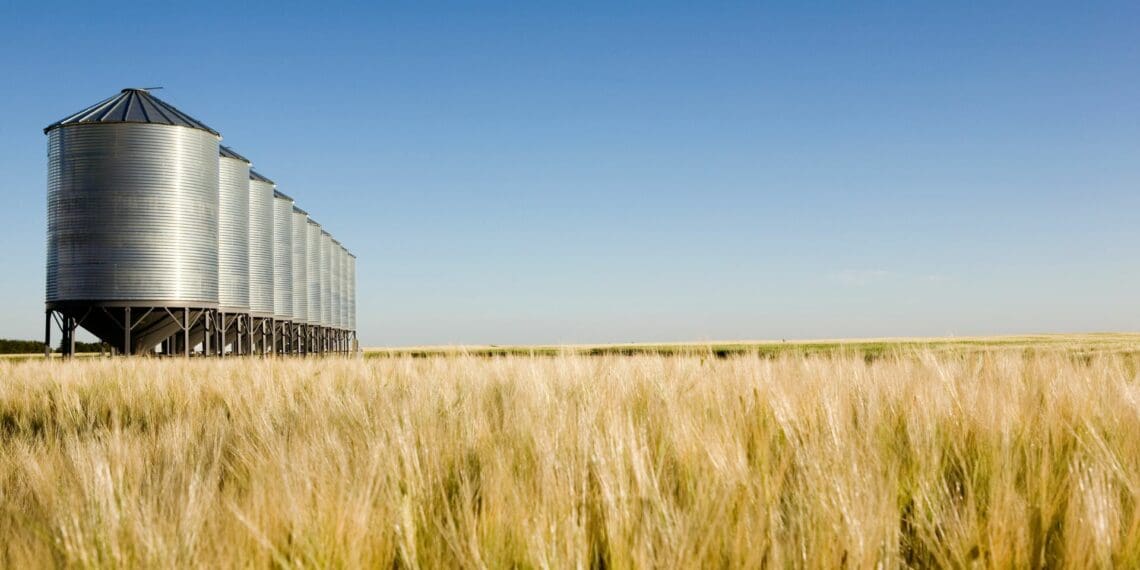
One of the significant concerns raised during the symposium was the proliferation of non-commercial storage facilities, operated by farmers or grain processors.
Harper noted, “The challenge with these privately-owned storage facilities is that producers and processors lack the necessary skills and capital to manage inherent risks, such as dust explosions and fire.” This lack of expertise and resources not only endangers the stored grains but also diminishes insurers’ risk appetite.
The evolving risk landscape, including an increase in climate-related severe weather events and the looming El Niño period, further compounds the challenges faced by grain storage operators.
“Sub-par structures, often with a capacity of up to 30,000 tonnes, are particularly vulnerable to strong winds and hurricanes, previously not experienced in South Africa,” Harper cautioned, underlining the urgency of preparedness.
Improved traceability
A crucial point of contention discussed among the panellists was the traceability of commodities.
Harper explained, “There is a strong demand for improved traceability throughout the grain value chain as the financial repercussions of an entire bin being downgraded because of one producer’s actions are severe.” The lack of traceability can lead to storage operators being unfairly held liable for losses originating from other stages in the value chain.
To address these challenges, the experts advocated for standardisation and compliance. Harper emphasised,
“Standardisation via a co-created compliance framework emerged as the most critical requirement to promote the insurability – and sustainability – of the grain storage industry.” Such a framework, developed through collaboration between insurers, operators, and producers, could serve as a basis for legislation to standardise the industry.
Collaboration and insurance
The panellists also stressed the importance of collaboration among storage operators. Harper said, “Pooling risk and purchasing insurance together through mutual funds or cell captive investments would increase affordability for everyone and benefit reinsurance rates.”
Additionally, the use of parametric (index) insurance, particularly for climate-related systemic risks, was proposed as a viable solution, although current South African legislation does not permit it.
In closing, Harper reiterated, “Insurance should never be an afterthought but should be part of a holistic risk management plan. Understanding that your insurance is not your risk management programme, it is only part of it, is what will determine the insurability and sustainability of an operation.”
READ NEXT: Sangomas vs farmers: Navigating sacred rites and private lands
Sign up for Mzansi Today: Your daily take on the news and happenings from the agriculture value chain.