
Imagine starting a day ready to work, only for it to end in pain and lost productivity. For many farmers and farmworkers, this happens when the wrong shoes are worn. Whether in the field, greenhouse, or production room, feet need protection and support.
The correct safety shoes prevent blisters, fungal infections, and discomfort that slow down the job. Without them, the risk of injury and time off work increases. On the farm, safety and comfort are not optional; they are essential for getting the job done.
Get a grip on safety
For Khanyisile Maseko, a poultry farmer from Elukwatini in Mpumalanga, wearing safety boots means keeping her feet safe and comfortable all day long. Her work starts with cleaning the feeders and drinkers, which is why she wears safety boots to protect against sawdust.
“Usually I look at the sole, how it grips, and the comfort inside, because it can get wet and slippery,” she says. “Also, the sawdust can get stuck in the boots.”
Meanwhile, Mphathi Motha, a crop farmer in Soweto, Gauteng, chooses waterproof ankle boots that are slip-resistant.
“In my work, I use a lot of water and tools, and this affects the type of shoes we wear. Our shoes are exposed to different conditions most seasons, especially because we are active outdoors, and that environment affects them.”
Mphathi Motha
He adds, “Sometimes I have had minor pain from wearing light shoes and working for long periods in the garden.”
However, Motha says he is fortunate that now and then he can go barefoot to connect with the earth. “Our food garden is a sacred growing space, and walking barefoot helps to cool off.”
For Motha, the best quality shoe is a half-boot made from full-grain leather, with a thick rubber sole and cushioned interior.
Choosing the right safety boots for farming
Goat farmer Kwanda Biyela from eMpangeni in KwaZulu-Natal spends his days walking long distances through fields, navigating the wild, and mentoring students. All of this, he says, demands safety boots that are balanced, waterproof, and comfortable.
His work requires more than one type of boot – some with steel toes, others with rubber soles, and some with a durable leather coat.
“The steel-toe boots are essential when I’m herding goats. If they move toward me, the boots protect my feet from injury,” he explains. “Choosing the wrong boots can affect how you work on the farm, so you need the right pair for the right task.”
Livestock and crop farmer Zimbili Mfusi, based in Wakkerstroom between Mpumalanga and KwaZulu-Natal, agrees. Her daily routine involves tending crops, handling livestock, maintaining equipment, using tools, and walking through fields. For her, the perfect boots fit well, are waterproof, and have slip-resistant soles to prevent falls on uneven or wet terrain.
She points out that even waterproof boots can take damage when she works indoors, which is why owning different pairs for different jobs is essential.
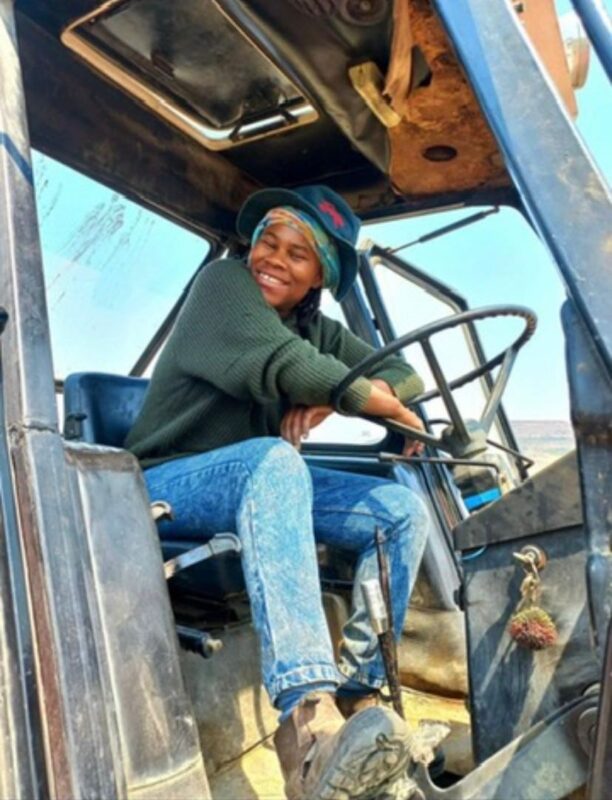
“For any farmer or farmworker, high-quality boots that can withstand rough conditions are non-negotiable,” she says. “They shouldn’t be heavy or slippery.”
READ NEXT: NC farmworkers empowered: Skills, safety and dreams ignited
Caring for your feet
Farmers, field workers, miners, and labourers who wear gumboots or safety boots all day face unique foot care challenges, explains Lynsey Hammond, managing director with Kroko.
She explains that long hours, moisture, pressure, and friction can lead to corns, calluses, fungal infections, and even fatigue-related injuries.
“Boots should ideally have wide toe boxes, cushioned tips if they are steel-tipped, as well as cushioned soles and tongues to prevent friction.”
Lysnsey Hammond
She adds that natural or moisture-wicking fabrics are best to keep feet cool and to prevent fungal infections, as well as the bacteria which cause foot odour.
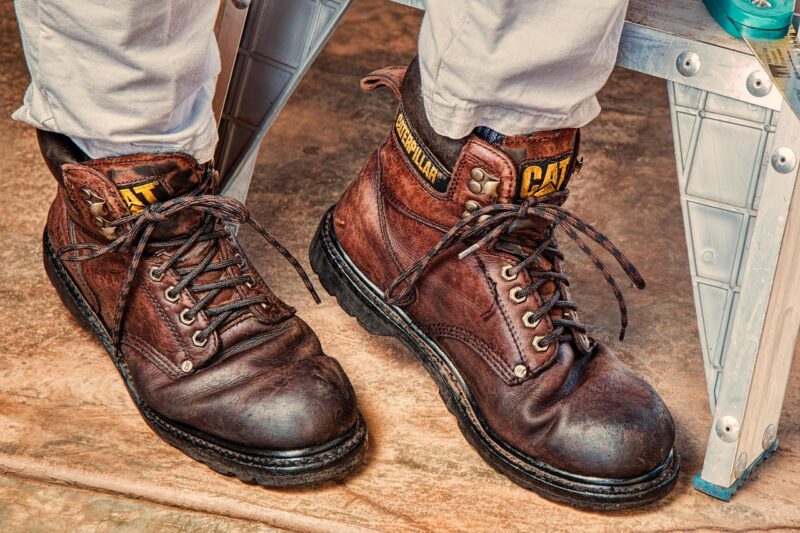
“It is important to wear socks with safety boots and gumboots, but unfortunately in South Africa socks aren’t always affordable to many labourers who don’t wear them with their boots and suffer from corns, calluses, fungal infections and sweaty, smelly feet.”
Hammond notes that both open and closed shoes can contribute to corns and calluses.
“Open shoes like flip-flops and sandals can lack cushioning and have thin soles, which increase pressure on the ball and heel of the foot.”
Straps and seams can rub against the skin if worn for long periods or while walking far, and this friction can lead to corns. Sandals are mostly worn without socks, so your skin is directly exposed to rubbing and pressure from the shoe, adds Hammond.
Furthermore, flip-flops and slides are open shoes which don’t secure the foot well, allowing sliding, which increases friction and can cause calluses.
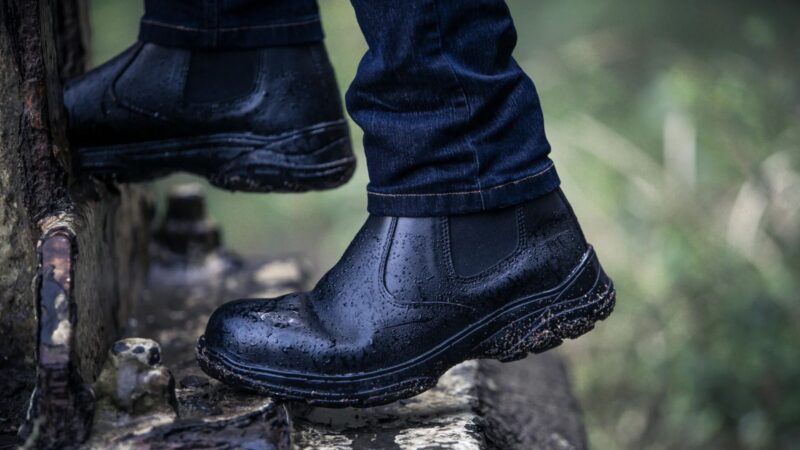
Does sock material matter?
Socks should be made of soft, breathable fabric like cotton, merino wool, or polyester blends to help reduce friction and wick moisture to prevent skin from thickening, explains Hammond.
“There are now toe-separating or specialist therapeutic socks and even blister socks which cushion sore spots and reduce rubbing between toes.”
Hammond further notes that the material shoes are made from is also important. “Smooth interiors and soft uppers reduce mechanical irritation from seams or stitching.”
She says supportive soles and cushioning help distribute pressure evenly, preventing calluses from forming on weight-bearing areas. Breathable materials like mesh or leather help keep feet dry, which reduces the risk of corns.
So, take care of your feet because they carry a heavy load.
ALSO READ: Meat Safety Act: What farmers need to know