The South African fresh produce market is facing a classic economic dynamic this week, where low supply and softening mid-month demand are pulling commodity prices in opposing directions.
According to agricultural economist Conce Moraba in the latest GroundRules market update produced by Agricultural Market Trends (AMT), the standout headline belongs to onions, which have soared to a record-breaking 219% higher than the same period last year.
However, across much of the broader fresh produce sector, weaker consumer buying power could cap further gains.
Onions hit unprecedented heights
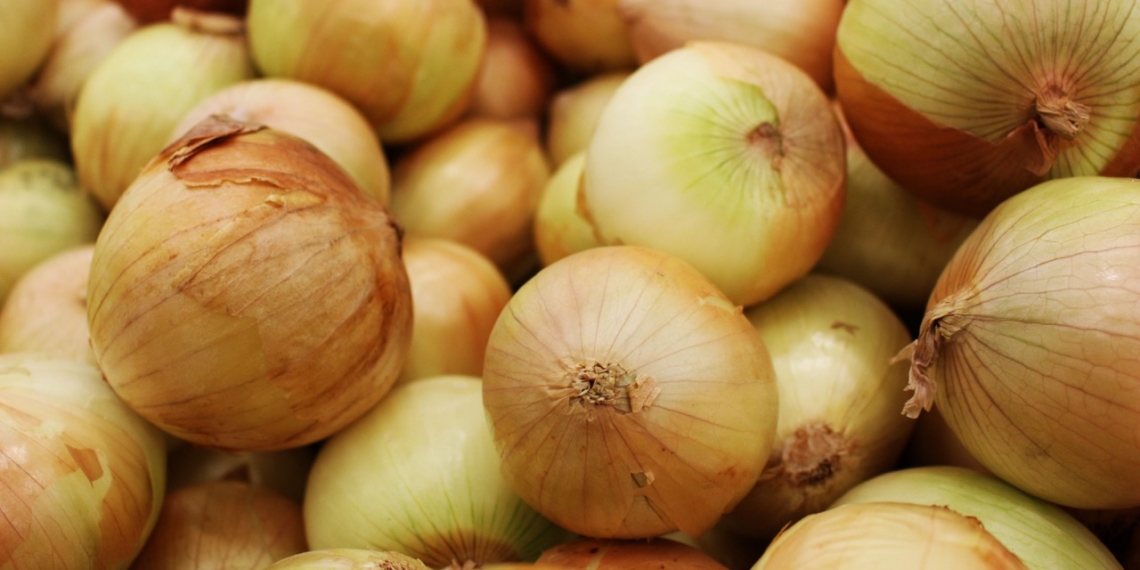
The onion market remains the focal point of fresh produce trading. Last week, onions reached an extraordinary record average of R154.70 per 10kg bag – a massive jump directly linked to national volumes falling 31% year-on-year.
Breakdowns by category highlight the intensity of the spike:
- Brown class 1 medium onions: Averaged R160 per 10kg.
- White onions: Averaged R170 per 10kg.
- Red onions: Reached a staggering R239 per 10kg.
“Why are onions so different? Because people don’t easily substitute them,” Moraba explained. “They’re a staple ingredient, so demand remains relatively constant even when supply falls.”
With the Ceres production season officially wrapped up, northern growing regions are filling the gap, though volumes are arriving very slowly.
“At some point, those northern volumes should increase and put pressure on prices. The million-rand question is simply: when?” Moraba noted, adding that weaker mid-month demand this week could provide the first signs of downward pressure.
Related stories
- Grain markets slide: Temporary pause or start of a downturn?
- Potato turning point ahead as onions double in price year-on-year
- Onion prices surge 21% as banana supply falls sharply
- How to secure your farm’s future before the next crisis hits
Supply-demand tussle hits vegetables
Outside of onions, limited supply is struggling to sustain price increases against muted mid-month buying power.
Potatoes edged up 1.6% to R65.93 per 10kg as the market sits between production seasons. Sifras averaged R68, Class 1 Large Mondials fetched R77, and Class 1 Medium Mondials stood at R70. Moraba cautions that because demand is low, limited supply may not be enough to prevent prices from easing slightly this week.
Tomatoes dropped 8% to R7.20/kg despite a 13% drop in week-on-week volume. Prices could slide further in the short term, but support may return late next week.
Moraba advised growers to track incoming weather: “Another cold front and more rain are coming, which could eventually restrict supply and support tomato prices again towards month-end.”
Carrots fell 4% to R4.95/kg on 17% lower volumes, with further drops expected as harvesting picks up. Sweet peppers also declined 4% to R17.45/kg: green R12.81; yellow R30.70; and red R29.70. Supply is projected to increase toward year-end, following normal seasonal patterns, with prices peaking around July or August.
Moraba also explained the declines in cabbage, butternut, and pumpkin, while spinach, green beans, and cucumbers increased.
Fruit markets see varied trends
Oranges sit on the exact opposite end of the spectrum from onions. While orange prices rose slightly to R2.43/kg, they remain 56% lower year-on-year due to massive supply – volumes are up an astounding 121% compared to last year. Relief for citrus growers may not arrive until October, as supply tapers off. Lemons rose to R4.06/kg, and grapefruit jumped 16% to R6.10/kg.
In contrast, banana prices jumped 5% to R12.47/kg (around R225 per 18kg box), though softer demand will likely keep prices sideways to slightly lower. Apples increased to R9.93/kg and pears rose 2% to R9.26/kg, with both commodities expected to maintain an upward trend toward year-end as local reserves decline.
Avocados held steady at R16.63/kg (Fuertes: R27; Hass: R13), while table grapes dropped to R51.47/kg, pineapples rose to R8.47/kg, and blueberries gained 5% to trade at R74.85/kg.
The GroundRules takeaway
As producers look ahead, Moraba stressed that watching volume movements is far more important than reacting to current spikes.
“A high price attracts attention. But the next load arriving at the market is what can change the story,” Moraba said. “So don’t just watch today’s price. Watch what’s coming, who’s buying, and whether supply and demand are about to swap places.”
The full GroundRules fresh produce market update for 15 September 2026 is available in the accompanying video.
For the latest fresh produce prices and market insights, farmers and industry stakeholders can also join the GroundRules WhatsApp group.
AMT provides trusted agricultural market information and analysis through its market database, with GroundRules bringing that insight to audiences in an accessible weekly format.
READ NEXT: Agribusiness confidence rebounds despite drought fears