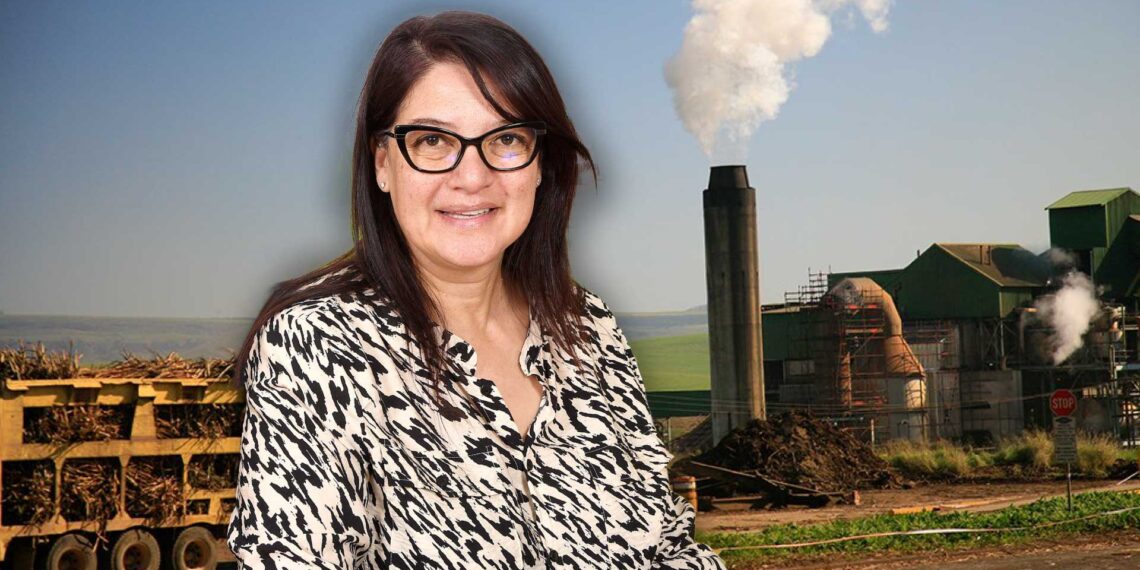
Advocate Fay Mukaddam, independent chairperson of the South African Sugar Association (SASA), unpacks the unintended consequences of South Africa’s sugar tax. While well-funded American anti-sugar lobbyists push for restrictive policies, rural livelihoods hang in the balance. With job losses mounting and no clear evidence of public health benefits, is the levy truly the right solution?
The well-funded US anti-sugar lobby, operating from a position of economic privilege, has failed to grasp the unique challenges facing South Africa’s rural communities.
The diet of the average American is significantly different from the diet and dietary needs of someone living in rural South Africa. Sugar used in food in the USA comes from different sources such as maize, sugarcane, and sugar beet, while in South Africa, it is only from sugarcane.
More egregious is the lobbyists’ failure to acknowledge that, before the installation of the health promotion levy (HPL), commonly known as the sugar tax, South Africa never conducted a full population study to assess the main contributors to excess calorie intake and its associated health problems. This would have enabled a South African-based balanced, measured, and holistic approach to devising an effective strategy to fight non-communicable diseases and obesity.
Impact of sugar tax since implementation
Since the introduction of the sugar tax in April 2018, drinks manufacturers have drastically reduced the sugar concentrations in their beverages. This they did by reformulating to reduce sugar content, a development which had a catastrophic impact on the industry, whose operations are mainly based in deeply rural and economically distressed regions of KwaZulu-Natal and Mpumalanga.
Since its implementation, the HPL has been associated with substantial job losses, thereby exacerbating the country’s unemployment crisis. Industry member, SA Canegrowers, estimates that 16 000 jobs were lost in the first year of its implementation.
Another industry member, the SA Farmers Development Association (Safda), said on record that their black small-scale sugarcane farmers have been hardest hit by the devastating levy.
When it comes to the milling sector, two sugar mills (Darnall and Umzimkulu) have been permanently closed. The financial future of KwaZulu-Natal and Mpumalanga depends heavily on the sugar industry, providing 65 000 direct jobs and supporting 270 000 indirect jobs. At least one million rural livelihoods are dependent on the sugarcane growing and milling activities of the industry.
Livelihoods at stake
Let us be crystal clear about one thing, no one disputes that every effort must be made to improve people’s health. What is contentious is pushing through measures that are not balanced and which fail to see the problems holistically.
To advocate for the dismantling of the sugar industry while offering no viable alternative for the hundreds of thousands of families who depend on the sector for their livelihoods is at best misguided and, at worst, grossly inconsiderate.
People’s livelihoods are now at stake. There is a lack of concrete evidence regarding whether or not the sugar tax has actually had the intended impact. In contrast, according to the 2023 National Food and Nutrition Security Survey, which highlighted obesity trends since 2016, overweight and obesity among men rose by over 7%. Among children under five, it rose by over 10%.
What we need now are the much-anticipated results of the comprehensive dietary intake study to guide us in the fight against NCDs. Scaremongering about the risks of sugars is not supported by scientific evidence and detracts from the focus on the real causes of obesity. In fact, obesity is caused by multiple factors such as genetics, overeating, and too little physical activity. Sugars are no more responsible for obesity than other calorie-containing food and drinks when consumed in excess of burned calories.
Related stories
- Diversification is the future for survival of sugarcane farmers
- Safda CEO reflects on a decade of transforming the sugar industry
Sugarcane pivotal to rural communities
May we draw your attention to a scientific study carried out among small-scale farmers in Noordsberg, KwaZulu-Natal, which indicated clearly that sugarcane was a pivotal livelihood resource providing employment and income. Sugarcane – grown alongside maize, beans, and potatoes – was considered the most significant cash crop in most households and generated more revenue than any other single agricultural activity.
Several farmers attested that by switching to sugarcane, they saw significant improvements in their livelihoods, enabling them to improve their children’s educational opportunities and invest in better, more efficient farming equipment.
In addition, the farmers pointed out that sugarcane was less labour-intensive and that, because of the consistent demand, it provided a stable income. In addition to generating income for households, the crop provided spill-over benefits to crop production, enhancing farmers’ access to resources like fertilisers and agricultural loans.
What the sugar tax has done is bring about an existential crisis for the industry, which is the bedrock of the economies of rural KwaZulu-Natal and Mpumalanga. The sugar tax remains the greatest threat to the industry’s sustainability.
The sugar tax remains the direct contradiction of the all-important Sugarcane Value Chain Master Plan to 2030 as it works against the very objectives of the master plan. Any increases to it or lowering of the threshold would decimate the industry. What is happening, is akin to a classic example of addressing the symptom while ignoring the complex social and economic realities at work.
Four-step approach
The way forward is clear. Firstly, as indicated earlier, the release of the results of the comprehensive dietary intake study will assist in establishing the foundations upon which informed decisions about public health policy can be built.
Secondly, and operating simultaneously, we must develop evidence-based health education programmes that respect local cultural and economic realities. These strategies must be seen as complementary to the ongoing efforts by the sugar industry to modernise and diversify its operations.
Thirdly, we need genuine collaboration between health advocates and industry stakeholders. It is obvious that only by working together can a sustainable solution be found that protects and improves public health while maintaining and developing economic stability.
Finally, we must aim for partnering as opposed to confronting and acknowledging the importance of healthy lifestyles and the valuable role the rural-based industry has in our economy.
South Africa requires solutions that address our socio-economic reality and not imported “one-size-fits-all” ideologies. The sugar industry needs support and encouragement to continue with its transformation and diversification policies in a manner that recognises the need to promote public health and protect rural livelihoods.
- Advocate Fay Mukaddam is an independent chairperson of the South African Sugar Association (SASA). The views and opinions expressed in this article are those of the author and do not necessarily reflect the views or positions of Food For Mzansi.
READ NEXT: India a golden opportunity for SA’s citrus industry
Sign up for Mzansi Today: Your daily take on the news and happenings from the agriculture value chain