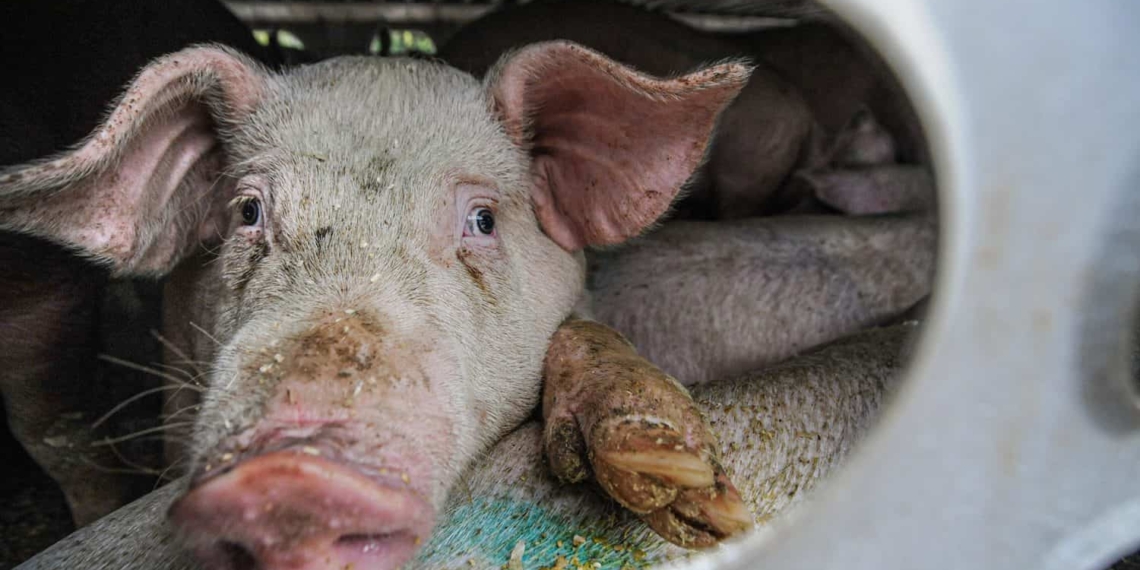

With authorisation received to dispose of 15 000 pig carcasses infected with African Swine Fever (ASF), the culling of these animals on a farm in the North West province can now commence.
A recent outbreak of African Swine Fever (ASF) on the farm near Potchefstroom has necessitated the planned culling of the pigs.
Dr Langa Madyibi, director of veterinary services at the North West department of agriculture and rural development, says that they have received authorisation to dispose of the carcasses at Platkop in the Ekhuruleni district.
Speaking to Farmers Weekly, Dr Peter Evans from South African Pork Producers’ Organisation (SAPPO) confirmed that the animals will be culled by the department. This after the farmer’s urgent application to the North West High Court to have the department cull the animals was approved.
According to SAPPO’s ASF Update report, cases of ASF have been popping up across the country periodically for the last five years. In February 2021, Potchefstroom had another minor outbreak, resulting in about 100 pigs being culled on a smallholding. The outbreak was linked to irresponsible buying and selling practices, in this case where a speculator was buying pigs at auctions or from traders.
In cases where ASF is suspected, provincial veterinary services quarantine potentially affected areas while awaiting confirmation. In the recent outbreak, the affected animals were quarantined for 40 days after the suspected outbreak was reported. Together with SAPPO, the provincial veterinary services provide sanitisation equipment and assist with disposal services.
South Africa has a fairly lucrative pig exporting market, mostly supplying our neighbouring countries. Dr Madyibi says that predicting the effect of this latest incident on the export market is tough. “It is difficult to comment on how these incidents will affect South Africa’s export market. But these types of issues generally do.”
This year to date South Africa has had 27 cases of ASF. This is higher than in 2019 and 2020 when the reported cases amounted to 20 for each period.