Food connects and shapes us, carrying memories that stay with us for a lifetime. Often, those memories include loved ones who are no longer here but left us with recipes and traditions we cherish and hope to pass down through generations.
In Mzansi, this time of year is filled with joy as many are home for the holidays. It is a season to slow down, reconnect, and recharge, taking walks through local forests, fetching wood, visiting loved ones, and of course, sharing food.
In every pot and every meal, there is always something that reminds us of what home truly means.
Homegrown memories
For Sinothando Lolo from Tyalarha, Mthatha, being homesick while studying at Nelson Mandela University in Gqeberha is mostly about food.
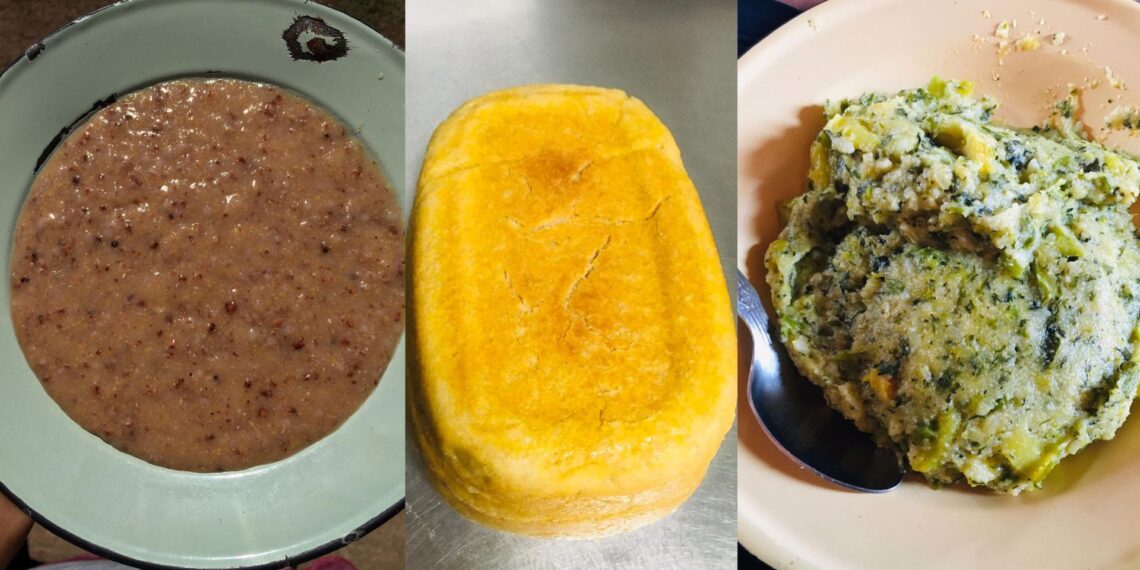
“Being home is therapy,” she says, a chance to recharge and handle everyday stresses. “Nothing beats my homemade maize bread. When I’m away, I grate sweetcorn, mix it with a little flour, and enjoy it. It’s not the same, but it makes me feel at home.”
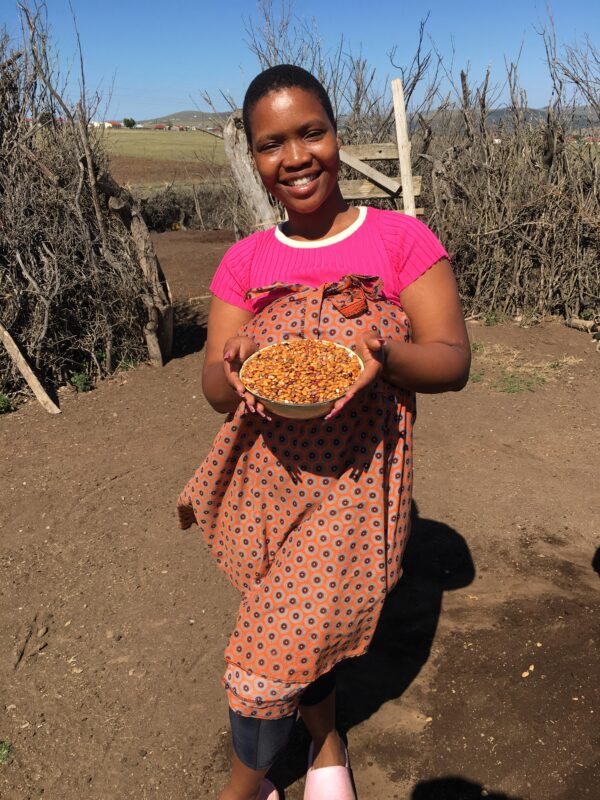
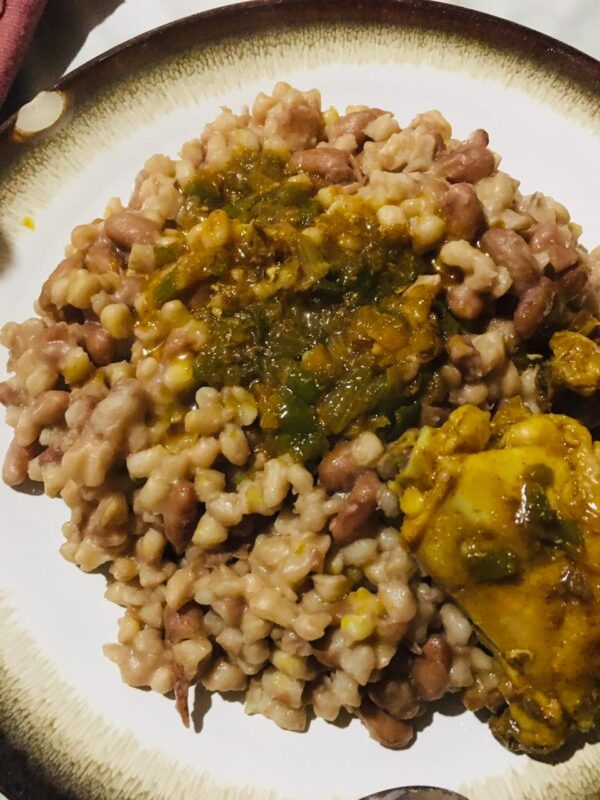
She also misses imifuno (amaranth leaves) with homemade maize meal, a local staple she carries wherever she goes. “Another homely meal for me is maize with beans, called isophi. This simple dish needs just salt and a little fat, and even without fat or spices, it still tastes amazing.”
For Lolo, it’s also the atmosphere, her mom’s hands preparing them, and the family stories shared over food that make her feel homesick.
Related stories
- Taste tradition: Chefs lead revival of climate-smart indigenous foods
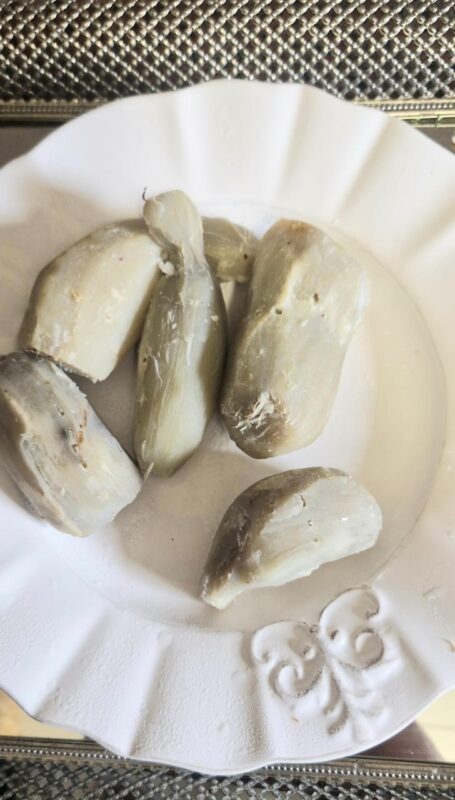
- Amadumbe: Get to know SA’s potato alternative
- Cornbread queen Mtetwa makes mealies the star of any meal
Missing Mzansi
For Nomagugu Hlubi, a medical assistant student from KwaZulu-Natal living in Bridgeport, Connecticut, in the United States, home-cooked meals are what she misses most while spending Christmas abroad.
“This is my second Christmas away from home, and nothing makes me miss home more than Mzansi food,” she says.
“I am planning to cook ujeqe (steamed bread) and oxtail, and pair it with other American meals.”
Hlubi explains that growing up, she didn’t always have the privilege of enjoying oxtail. Now that she can, it reminds her of her roots and what she can hope for in life.
She also says that ujeqe has something special about Mzansi cuisine; whenever she has it, it connects her with home, even when she’s far away.
Connection to Limpopo
Although Ngeletshedzo Makhaga, from Mashau Thondoni village in Limpopo, has been living in the Eastern Cape since 2006 for work, she says the move has taught her a lot about food and connection.
She explains that, although she goes back home in December and has learned many staple foods in the Eastern Cape, there are cultural dishes that make her especially miss her roots, like matuku (sour pap) and vhuswa vha vhutshena (soft pap).

“We may cook almost similar meals, but the way we prepare them is different in a way that is hard to explain. We used to have sour pap with delele (okra), especially in summer, or with meat or any other relish,” she says.
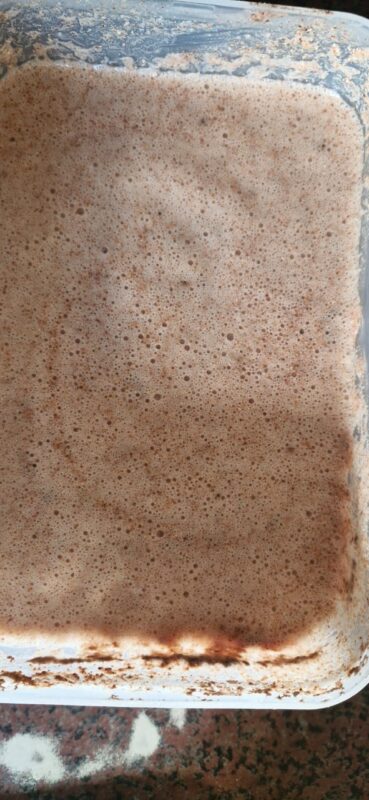
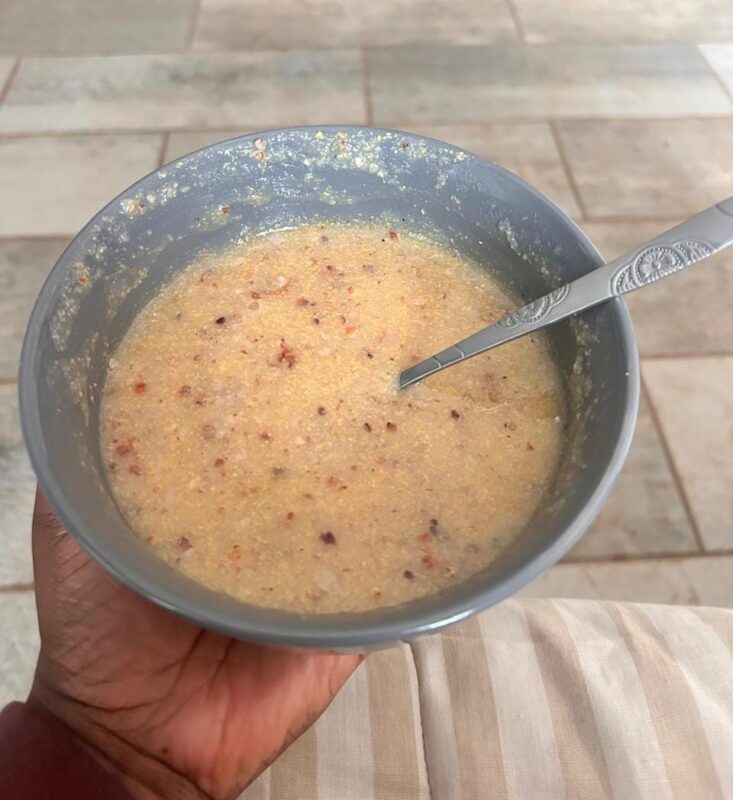
The pap is made from fermented maize meal for a day or two, depending on the weather. “When I miss that meal, I usually prepare sour pap by adding vinegar while cooking.”
Makhaga also mentions tshidzimba, a dish rooted in Venda culture. “This special dish is prepared with samp, whole groundnuts, cowpeas, and Bambara nuts, thickened with groundnut powder.”
The spiritual comfort
Growing up in Ngqwarhu village in Cofimvaba, Eastern Cape, for Gengezi Babu-Yuze, coming home from school meant a spread of vegetables prepared by her grandmother.
“We had a food garden with plenty of crops, and two of the main ones were pumpkin and maize,” she recalls.
After school, she looked forward to eating together with the family, then fetching water, washing school clothes, and helping cook supper.

“Supper time meant we would all eat together, gathered around the open fire, listening to our gogo’s stories,” she says.
Now living in Cape Town, she often goes back home and never misses umqa (pumpkin with maize meal). “When I have it, it tastes like home and helps me connect with home in a different, almost spiritual way,” she adds.
Shared meals and life lessons
Sitting quietly and enjoying sweet potato with sweet water reminds Nobathembu Mthembu of her childhood in Mbuqe Location, Mthatha.
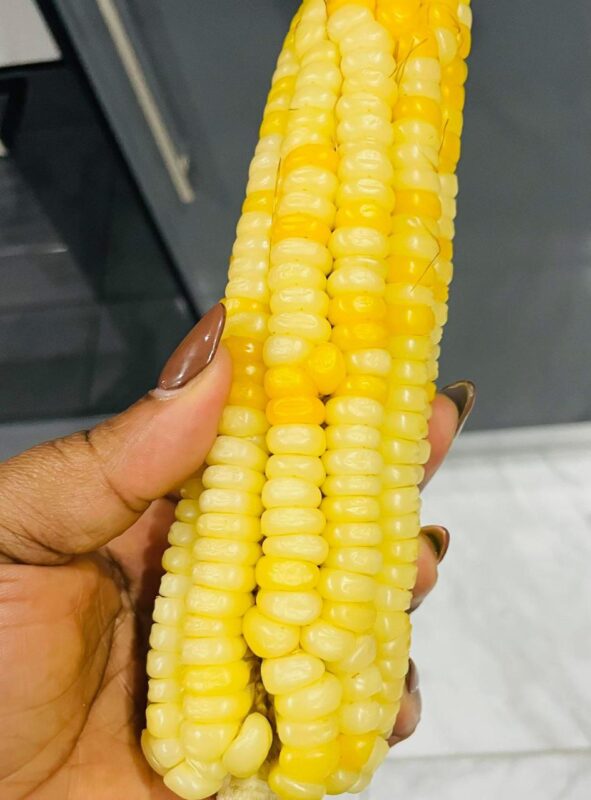
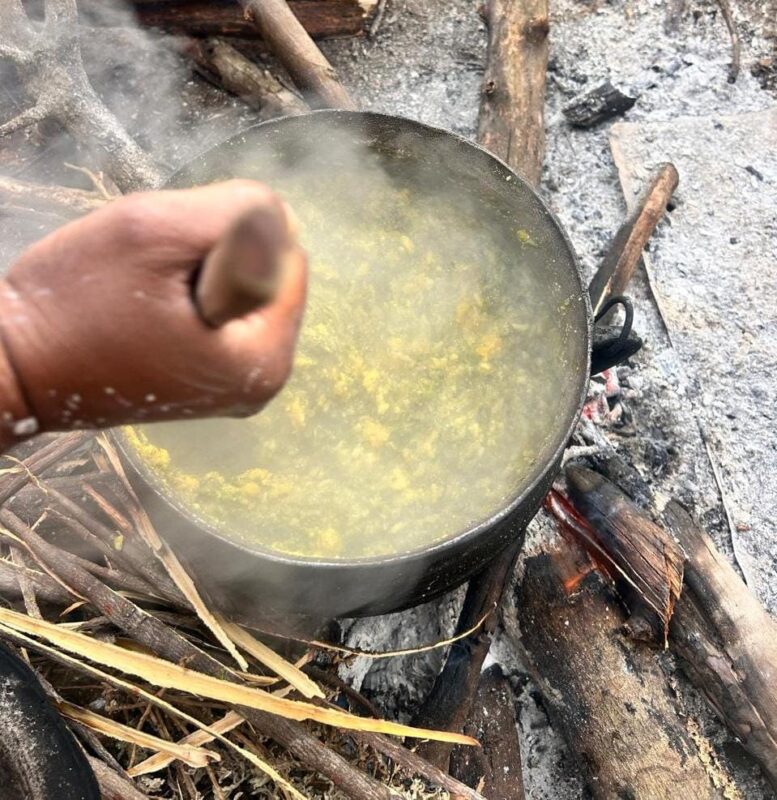
One of the foods she recalls fondly is boiled mealies called ibhaqolo, leafy greens with maize meal, and morning sorghum porridge.
“Going to our neighbour’s house to get mealies because we didn’t have any taught me to barter and exchange, giving what you have for what you don’t was the norm,” she says.
These values helped her see life differently, a life of giving and appreciation.
“We didn’t have much, but we were never hungry because we could go to the garden, collect pumpkin leaves, and cook ilaxa [boiled leaves]. We collected them not knowing how nutritious they were,” she says.
She adds that food sharing, preparation, and seasonal eating teach patience, resilience, and connection. “I used to think my grandmother was punishing us because why would I wake up early to prepare morning porridge when there were instant cereals?” she laughs.
Most greens were not even grown deliberately, but nature provided them. “That is the power of seasonal gifts and soil that is well cared for,” she says.

READ NEXT: Red meat in SA: Culture, heritage, and celebration