KwaZulu-Natal crop farmer Donovan Gumede describes growing up under the watchful eye of his late grandmother Zodwa as tough and at times, torturous. But looking back, he wouldn’t want it any other way because it is because of his granny that he is who is today.
“She was a very tough person because when other children were playing games she would call us into the garden,” Gumede shares.“I didn’t know at that time that the lessons I was learning from her would later benefit me.”
Today, Gumede is a tenacious businessman growing crops in rural KwaMaphumulo, about 45 minutes away from Stanger. There, he has also taken up goat breeding and credits his gogo for forcing him to work in her backyard garden when all he wanted to do was play with his friends.
“I thought that she was just abusing me,” he jokes. “I didn’t know that she was teaching me to be a skilful farmer.”
ALSO READ: From KwaMashu to Jozi: Mzila’s remarkable farming journey

Losing a grandmother
Gumede’s grandmother was not a fully-fledged farmer. She worked as a nurse at General Justice Gizenga Mpanza Regional Hospital, formerly known as Stanger Hospital. However, young Gumede learned a lot from her about gardening.
“Even though she was not a farmer herself, she had a garden for food. My time with her taught me responsibilities. She was healthy and she loved eating organic food.
“My grandmother was a tough nut. She wouldn’t let me take money to school like other kids and it wasn’t nice but that is how I learned how to use money properly. Now when I get money, I know how to use it wisely,” explains Gumede.
The death of his grandmother in 2019 cut deep. Not only was she the breadwinner, but she was also his caretaker and best friend. Suddenly, and without warning, Gumede had to fend for himself at the age of 21.
From tragedy to triumph
Despite a few wrong steps that year, Gumede took on a leadership opportunity offered by Umgibe Farming Organics. There, he learned a number several things including how to erect farming tunnels and grow various crops.
The opportunity earned him a certificate and a monthly stipend which he used on basic food items and other necessities a young man his age would need. “I wasn’t interested, but what else was I going to do?”
But his time there did not last long. The programme quickly closed due to a few complications, leaving him seeking more information.
“I wished I had someone who would just teach me more and show me how to start my own thing, but there wasn’t. That’s why I decided to start something of my own. I bought 50 spinach seedlings from the [stipend] I got there and started a small spinach garden.”
ALSO READ: How to turn that R350 social grant into a side hustle
Building for the future
From spinach to cabbages, butternuts, onions, green peppers, tomatoes, and eventually goats, Gumede remembers his first harvest.
“Nothing beats that feeling. Seeing your crop ready to be eaten and people buying it.”
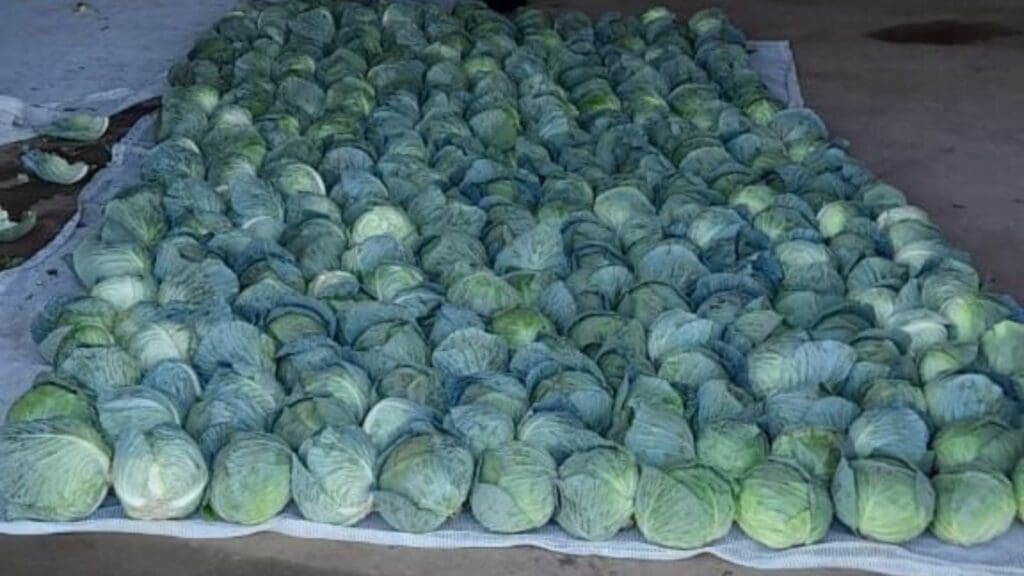
With the profits from his spinach sales, Gumede was able to buy fertiliser and expand his vegetable offering to cabbages. “I used to sell the cabbage for R8, and it wasn’t much profit, but it was enough profit to buy and pay for things that I need.”
Gumede has started focusing more on goat farming. After the floods in 2022, which destroyed his entire crop fields, Gumede prefers his goats.
The young aspiring farmer still has a long way to go and says he needs help becoming a serious small-scale farmer.
“It’s not an easy journey and that’s why I wish the government could support it with funding because everything is self-funded, even today, which is expensive.”
While he waits for better days, Gumede enjoys every moment of his agricultural journey and says his decision to go into farming has been worth it. He does not regret it at all.
ALSO READ: YouTube hit: Hordes flock to Makwala for broiler help
Enjoyed reading? Tell us why with a quick 5-min survey!
Get Stories of Change: Inspirational stories from the people that feed Mzansi.