Sunday, September 6, 2026
SUBSCRIBE
22 GLOBAL MEDIA AWARDS
Food For Mzansi
  • News
  • Changemakers
  • Lifestyle
  • Farmer’s Inside Track
  • Food for Thought
No Result
View All Result
  • News
  • Changemakers
  • Lifestyle
  • Farmer’s Inside Track
  • Food for Thought
No Result
View All Result
Food For Mzansi
No Result
View All Result
in News

UFS team nominated for groundbreaking crop research

Through collaboration with national and international partners, UFS researchers are revolutionising food security in Africa. Their research on biofortified, climate-resilient maize – and now sorghum and legumes – targets both nutrition and sustainability

by Staff Reporter
10th June 2025
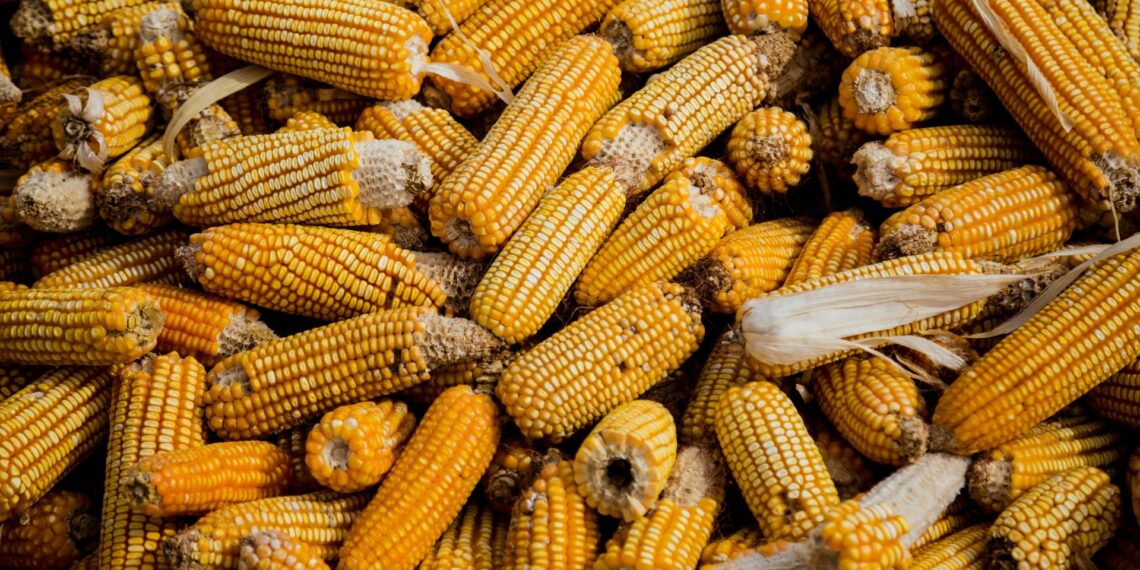
The Maize Biofortification and Climate Resilience Breeding Team at the University of the Free State has earned a prestigious nomination for the 2024/2025 NSTF Awards for their research. Photo: Supplied/Food For Mzansi

The Maize Biofortification and Climate Resilience Breeding Team at the University of the Free State has earned a prestigious nomination for the 2024/2025 NSTF Awards for their research. Photo: Supplied/Food For Mzansi

Share on FacebookShare on TwitterShare on WhatsApp

The Maize Biofortification and Climate Resilience Breeding Team at the University of the Free State (UFS) has been nominated for the National Science and Technology Forum 2024/2025. Prof. Maryke Labuschagne, a professor of plant breeding in the department of plant sciences, expressed gratitude to all who worked hard to earn the nomination.

The National Science and Technology Forum awards recognise, honour, reward, celebrate, profile and promote outstanding contributions to science, engineering and technology, and innovation in South Africa.

According to a statement from the university, the team is a collaboration between UFS, the Agricultural Research Council – Grain Crops (ARC-GC), the International Centre for the Improvement of Wheat and Maize (CIMMYT) in Zimbabwe, and ZamSeed in Zambia.

Improving nutritional value in crops

The team was nominated for their contribution to maize biofortification and identification of climate-resilient biofortified maize through collaborative research. Labuschagne is leading the National Research Foundation’s South African Research Chairs Initiative (SARChI) Chair in Diseases and Quality of Field Crops.

Labuschagne said they have been working on biofortification (the genetic improvement of nutritional value in crops) of maize grain for many years.


Related stories
  • New maize seed factory strengthens Zambia’s food security
  • Rising demand and drought spur SA maize imports

Prof Maryke Labuschagne, a professor of plant breeding in the department of plant sciences at the University of the Free State. Photo: UFS

“This includes the increase of provitamin A levels, essential amino acids tryptophan and lysine, and the improvement of iron and zinc levels in maize. All the research is being done in the context of climate change, so that the advantages of biofortification are not lost under adverse production conditions,” she said.  

Importance of biofortification in Africa

Labuschagne said they have partnered with the ARC for many years in terms of research and student training. This has now been formalised with the ARC, UFS and the department of agriculture research chair in breeding climate-resilient vegetables and grains, which kicked off at the end of 2024.

“Biofortification is very important in South Africa and Africa, and the release of climate-resilient biofortified crops can make a significant contribution to food and nutritional security in the region, especially in rural areas. We have focused mainly on maize in the past.

“We are now expanding the research to include sorghum and the legumes (cowpea, pigeon pea, vegetable soybean, and bambara groundnut). These are all food security crops in Southern Africa. Our research will focus on heat and drought tolerance in these crops, and the simultaneous improvement of their nutritional value,” she said.

The university noted that with this research, Labuschagne and the team are contributing to the realisation of the United Nations (UN) Sustainable Development Goal 2 (SDG) which aims to end hunger and ensure access by all people, in particular the poor, and people in vulnerable situations, including infants, to safe, nutritious and sufficient food all year round by 2030.

“The research is also aligned with the African Union Agenda 2063, of which one of the eight aspirations is to have a prosperous Africa based on inclusive growth and sustainable development. In this regard, the Africa of 2063 will be a continent without any form of food or nutrition insecurity and hunger. Measures will be adopted that lead to food sovereignty,” the UFS stated.

READ NEXT: ‘We’re just surviving’: Water woes & land limits cripple NC farmers

Sign up for Mzansi Today: Your daily take on the news and happenings from the agriculture value chain.
Staff Reporter

Researched and written by our team of writers and editors.

Tags: Climate changeFuture-focused farmerInform memaize farmingUniversity of Free State
The future of Mzansi's sugar industry hangs in the balance
News

Government hikes sugar import price, but industry warns of gap

by Staff Reporter
3rd September 2026

South Africa’s government has adjusted the sugar import reference price from $680 to $785 per tonne to curb surging imports....

Read moreDetails

Chicken is booming, but the real money is in the supply chain

2nd September 2026
How Tebogo beat post-harvest losses with smart agro-processing

How Tebogo beat post-harvest losses with smart agro-processing

2nd September 2026

Aucamp outlines strategy for biosecurity, trade, and infrastructure

2nd September 2026
Tobias Doyer, CEO of Grain SA. Photo: Supplied/Grain SA Facebook

Rising costs, climate risk push Swartland wheat farmers to the brink

2nd September 2026

Honoured roots: A father’s legacy, a daughter’s farming dream

Strategic support sparks record-breaking growth at WC grape farm

Foot-and-mouth crisis hits SA dairy industry with R1-billion loss

Early calf care: Key growth targets every cattle farmer must track

Former electrical engineer builds farming powerhouse on tribal land

Join Food For Mzansi's WhatsApp channel for the latest updates!

JOIN NOW!
Next Post
Digital agriculture: The golden key to global market access

Digital agriculture: The golden key to global market access

THE NEW FACE OF SOUTH AFRICAN AGRICULTURE

With 21 global awards in the first six years of its existence, Food For Mzansi is much more than an agriculture publication. It is a movement, unashamedly saluting the unsung heroes of South African agriculture. We believe in the power of agriculture to promote nation building and social cohesion by telling stories that are often overlooked by broader society.

RSVP now: Emerging farmers’ programme at Nampo Cape

Community-led farms boost food security and incomes in Limpopo

Farmers rethink water use as shortages threaten food production

Honoured roots: A father’s legacy, a daughter’s farming dream

Gauteng farmers urged to harness massive urban market

Foot-and-mouth crisis hits SA dairy industry with R1-billion loss

  • Awards & Global Impact
  • Our Story
  • Contact Us
  • Cookie Policy
  • Privacy Policy
  • Copyright

Contact us
Office: +27 21 879 1824
News: info@foodformzansi.co.za
Advertising: sales@foodformzansi.co.za

Contact us
Office: +27 21 879 1824
News: info@foodformzansi.co.za
Advertising: sales@foodformzansi.co.za

  • Awards & Global Impact
  • Our Story
  • Contact Us
  • Cookie Policy
  • Privacy Policy
  • Copyright

Chat Options

I'm Lerato, your AI assistant!
No Result
View All Result
  • News
  • Changemakers
  • Lifestyle
  • Farmer’s Inside Track
  • Food for Thought

Copyright © 2024 Food for Mzansi

This website uses cookies. By continuing to use this website you are giving consent to cookies being used. Visit our Privacy and Cookie Policy.