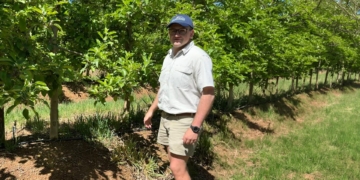
The Wine and Agricultural Ethical Trading Association (Wieta), in partnership with the Western Cape department of agriculture, recently brought together black-owned wine brands, industry leaders, and government representatives, placing transformation, market access, and sustainability at the heart of the conversation.
The Black and Emerging Producer celebration and dialogue event was a frank yet solution-oriented exchange, with participants calling for both systemic change and individual responsibility.
For Linda Lipparoni, Wieta’s chief executive officer, the event reaffirmed the value of creating spaces where difficult conversations can unfold openly and constructively.
“It’s really important that we provide an honest and open platform for social dialogue. There are not very many opportunities for black brands to get together and to seriously reflect on some of the key challenges they have in this industry, some of the key challenges they have with markets. So to provide an opportunity and a platform is what we’d like to do more often,” she said.
Breaking down barriers
Yet, Lipparoni was clear that dialogue alone cannot deliver transformation. She stressed the need to move beyond conversation toward integrated support, blended finance, and stronger government involvement. The real challenge, she explained, lies in reducing barriers and offering practical, hands-on assistance.
“There are mechanisms for supporting the brands out there, but they really struggle to jump through the hoops. There are a lot of requirements, a lot of due diligence that needs to be done.”
She pointed to Wieta’s role in facilitating access to technical experts in the past, but also highlighted that certification remains a major stumbling block. Financial hurdles are one side of the coin, she added, while the technical demands of auditing pose another. Producers are expected to maintain extensive records and robust administrative systems, which consume valuable time and energy.
“Apart from the food safety and environmental aspects, there are social requirements too. Producers often ask if we’ll ever see one certification. We won’t, because every time new regulations or country legislation come in, it becomes more complex,” she said.


From tokenism to true transformation
The discussion soon shifted to representation and market access. Denzel Swartz, sales and brand executive at Zoetendal Vineyard Estate, warned against the dangers of tokenism. For him, visibility is not enough if it is not matched by long-term commitment.
“Tokenism creates visibility. Of course, black-owned brands can be placed on shelves, but that does not create viability. We need long-term procurement commitments from suppliers. We don’t just need once-off sales.
“That’s not what we want. I always speak about how I do not accept handouts. I accept hand ups. If there’s no responsibility and two-way commitment, I actually don’t want to partner with the brands.”
Related stories
- Wieta supports black wine producers’ path to equity and excellence
- New multi-million rand wine fund backs black-owned brands
- SA’s wine industry eyes value over volume, new markets
- South Africa Wine’s digital leap wins top innovation award
Swartz further challenged attendees to reflect on their own buying patterns. If they had been purchasing the same wines for years, he asked, had they sought out new producers or questioned why certain black-owned wines were absent from store shelves?


Challenging market perceptions
This call for deeper commitment dovetailed with Vivian Kleinhans, CEO of Seven Sisters Wine, who stressed the urgency of reimagining how new-erat producers reach consumers.
“I am not sure where we will find ourselves in the next five years if we don’t create a different route to market. That’s what I and my business are intentionally looking at at the moment.
“In South Africa, some of the established brands are very good at online sales, but for emerging brands, I don’t think that is working that well. We have to think of other ways to sustain our businesses and achieve a legacy for generations to come.”
Vivian Kleinhans
Returning to the global stage, Lipparoni reflected on how black-owned wines are positioned internationally. Despite their strong social sustainability credentials, compliance requirements often obscure their value.
“All of these brands are intrinsically sustainable from a social point of view. I often think, why do they need to jump through all these social auditing hoops to get there?
“The culture is in place already; it’s just the paperwork around compliance. We need to start conversations to shift international market perceptions. Because sometimes markets are strategic; they know who they want to source from and at what price.”
She added that the mainstream industry has long accepted being a price taker rather than a price maker. Yet the calibre of wines on display at the event – many priced at R200 and above – made a strong case for premium positioning.
“We need to get that wine sold – it needs to be on premium shelves.”
As the dialogue drew to a close, the appeal extended beyond industry and government to the everyday wine drinker. Lipparoni urged consumers to rethink their choices with greater awareness.
“I think the message to consumers is to become more curious about wine. When you decide to drink wine, drink wine with conscience. Make a conscious decision to drink wine with conscience.”


READ NEXT: Cheers to 25 years! WineX returns bigger than ever