Friday, December 5, 2025
SUBSCRIBE
21 GLOBAL MEDIA AWARDS
Food For Mzansi
  • News
  • Changemakers
  • Lifestyle
  • Farmer’s Inside Track
  • Food for Thought
No Result
View All Result
  • News
  • Changemakers
  • Lifestyle
  • Farmer’s Inside Track
  • Food for Thought
No Result
View All Result
Food For Mzansi
No Result
View All Result
in News

World Soil Day shines light on degraded farmland

Healthy soils, healthy harvests. On World Soil Day, discover how regenerative farming and natural biostimulants are rebuilding living soils, improving resilience, and boosting yields sustainably

by Staff Reporter
5th December 2025
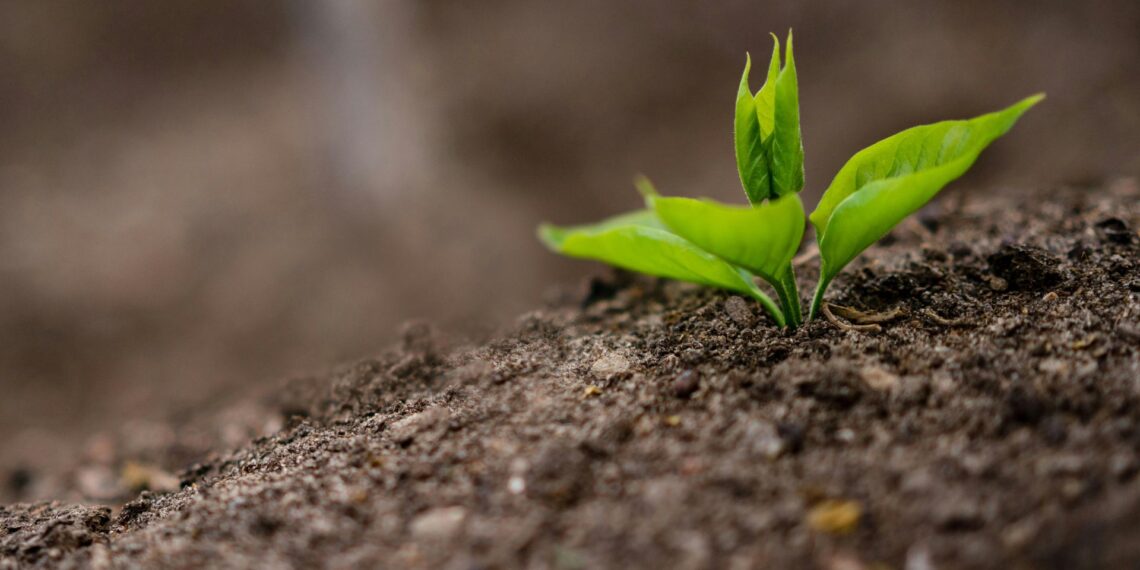
On World Soil Day, experts urge action to restore soil health. Regenerative farming and seaweed-based biostimulants are helping farmers rebuild soil vitality and resilience. Photo: Pexels

On World Soil Day, experts urge action to restore soil health. Regenerative farming and seaweed-based biostimulants are helping farmers rebuild soil vitality and resilience. Photo: Pexels

Share on FacebookShare on TwitterShare on WhatsApp

As World Soil Day is observed today, it serves as a reminder that every harvest begins underground and that soil stewardship is becoming increasingly urgent. 

Soil erosion and land degradation remain among the most serious environmental challenges worldwide. In South Africa, an estimated 10%–20% of agricultural land is affected, with around 12 million hectares classified as severely eroded.

Nationally, up to 60% of land shows some level of degradation, threatening water security, biodiversity, and long-term agricultural productivity.

Healthy soils underpin not only crop production but also rural livelihoods, agro-processing industries, and food systems across borders. While agriculture may contribute modestly to national GDP, its influence stretches far beyond the farm gate, supporting communities and global food security.

A global call for soil stewardship

World Soil Day highlights the central role of soil in human well-being. Established by the International Union of Soil Sciences, endorsed by the FAO, and recognised by the UN General Assembly, it drives an international campaign promoting improved soil management and restoration.


Related stories
  • Maintaining organic matter: Key steps to boost soil health
  • Hidden cost: How fires destroy soil health and threaten farming
  • Regenerative farming: Healthy soil, healthy food, healthy profits
  • Science meets soil: Agronomist turns manure into climate solution

Restoring soil function is becoming fundamental to climate resilience, especially as farmers adopt regenerative methods that enhance plant–soil interactions.

Among these tools are natural biostimulants, including seaweed-derived extracts that support root development, stress tolerance, and crop establishment when used with good agronomic practices.

Laboratory work on Ecklonia maxima, the South African kelp species used in Kelpak’s natural biostimulants, demonstrates encouraging results. In controlled trials, beneficial organisms such as trichoderma and rhizobia showed their strongest viability when exposed to low concentrations of the extracts over short periods. These findings indicate that natural extracts can work synergistically with microbial inoculants when applied under the right conditions.

Further research from Poland, conducted by Kelpak, found that extracts supported the growth of Trichoderma harzianum while slowing the sporulation of harmful pathogens like Verticillium dahliae, a selective effect that influences the broader soil microbiome.

Rebuilding soil function with regenerative practices

Linda Greyling, head of technical support at Kelpak, said, “Soil Day is a reminder that agro-ecosystems start with living soil. Biostimulants are not a silver bullet. They are most effective when used alongside sound practices such as mulching, diversified rotations and careful traffic management. Our focus is on generating practical evidence that helps farmers apply natural tools where they make agronomic sense, season after season.”

According to Greyling, long-term benefits linked to natural biostimulants include:

  • Supporting beneficial microbes such as trichoderma and rhizobia.
  • Promoting the growth of beneficial fungi while slowing disease-causing species.
  • Strengthening root development through natural plant hormones.
  • Improving plant tolerance to abiotic stress, including heat and drought.
  • Working effectively alongside seed treatments or inoculants when used as guided.

Healthy soils are living, dynamic systems, and protecting them is essential for the resilience of global agriculture. As more farmers integrate natural biostimulants with regenerative practices, they are rebuilding soil function, improving crop resilience, and laying the groundwork for a more sustainable future anchored in living soil.

READ NEXT: Farming within limits: Understanding planetary boundaries

Sign-up for the latest agricultural news delivered straight to your inbox every day with Mzansi Today!

Staff Reporter

Researched and written by our team of writers and editors.

Tags: Inform meRegenerative agricultureSoil HealthTeach me

Related Posts

An investigation has uncovered dodgy cattle sales at Fort Hare’s research farm. Photo taken from the Fort Hare Faculty of Science and Agriculture website. Photo: GroundUp

Fraud exposed at Fort Hare’s Honeydale Research Farm

4th December 2025
Free State Agriculture urges government not to politicise rural safety amid international claims of “genocide,” stressing the need for security, stability, and property rights. Photo: Gareth Davies/Food For Mzansi

FSA: ‘Rural safety must not become a political football’

4th December 2025

Millions missing from Fort Hare’s Nguni cattle programme

Sugar imports threaten local industry and rural jobs

Tariff delays cost wheat importers millions, warns Sacota

SA beer awards celebrate jobs and brewing innovation

Africa has four harvests left to secure its food future

This week’s agri events: 1 – 5 December

Sugar industry pleads to hold back on tax
News

Sugar imports threaten local industry and rural jobs

by Staff Reporter
3rd December 2025

With sugar imports reaching unprecedented levels, South African Canegrowers warn of severe risks to rural jobs and local production. Their...

Read moreDetails
South African farmers are being urged to use science-based planetary boundary tools to better understand their land, water, biodiversity and emissions limits and strengthen sustainable farming in line with PDALA. Photo: Pexels

Farming within limits: Understanding planetary boundaries
2nd December 2025
Dora Masehela from Limpopo gained agricultural skills and confidence through Corteva Agriscience’s SoilSistas programme. Photo: Supplied/Food For Mzansi

SoilSistas celebrate graduation of empowered women farmers

2nd December 2025
Raisin industry

Sweet potential: Raisin crop signals strong industry rebound

2nd December 2025
SA’s wheat import tariff drops from R851 to R616/ton, easing costs for millers once officially published, but delays still strain the industry. Photo: Pexels

Tariff delays cost wheat importers millions, warns Sacota

2nd December 2025

SoilSistas celebrate graduation of empowered women farmers

How to protect sunflower yields from heat stress and drought

Millions missing from Fort Hare’s Nguni cattle programme

Mzansi celebrates its brightest young farming talent

Maximising water efficiency with drip irrigation

Join Food For Mzansi's WhatsApp channel for the latest updates!

JOIN NOW!

THE NEW FACE OF SOUTH AFRICAN AGRICULTURE

With 21 global awards in the first six years of its existence, Food For Mzansi is much more than an agriculture publication. It is a movement, unashamedly saluting the unsung heroes of South African agriculture. We believe in the power of agriculture to promote nation building and social cohesion by telling stories that are often overlooked by broader society.

World Soil Day shines light on degraded farmland

How to protect sunflower yields from heat stress and drought

Nanny Nelia bakes up success with Yaya’s Rusks

Fraud exposed at Fort Hare’s Honeydale Research Farm

FSA: ‘Rural safety must not become a political football’

Curry, chilli, and twang: Mzansi’s potato salad gets an upgrade

  • Awards & Global Impact
  • Our Story
  • Contact Us
  • Cookie Policy
  • Privacy Policy
  • Copyright

Contact us
Office: +27 21 879 1824
News: info@foodformzansi.co.za
Advertising: sales@foodformzansi.co.za

Contact us
Office: +27 21 879 1824
News: info@foodformzansi.co.za
Advertising: sales@foodformzansi.co.za

  • Awards & Global Impact
  • Our Story
  • Contact Us
  • Cookie Policy
  • Privacy Policy
  • Copyright
No Result
View All Result
  • News
  • Changemakers
  • Lifestyle
  • Farmer’s Inside Track
  • Food for Thought

Copyright © 2024 Food for Mzansi

This website uses cookies. By continuing to use this website you are giving consent to cookies being used. Visit our Privacy and Cookie Policy.