 It’s summertime and keeping hydrated is super important. With heatwaves scorching South Africa, it’s easy to lose body fluids, which can lead to dehydration.
If you don’t replace these fluids, early symptoms like thirst, darkened urine or even reduced urine output may occur, and then dizziness (which could lead to fainting), sleepiness, headaches and skin problems, as well as rapid heart rate may follow.
Although drinking water is obviously the most essential part of hydration, we rounded up those foods that are not only healthy, but also contribute loads of water to our diet. Most are currently in season and available in abundance, so indulge while you can. Just remember that it’s preferable to buy organically grown.
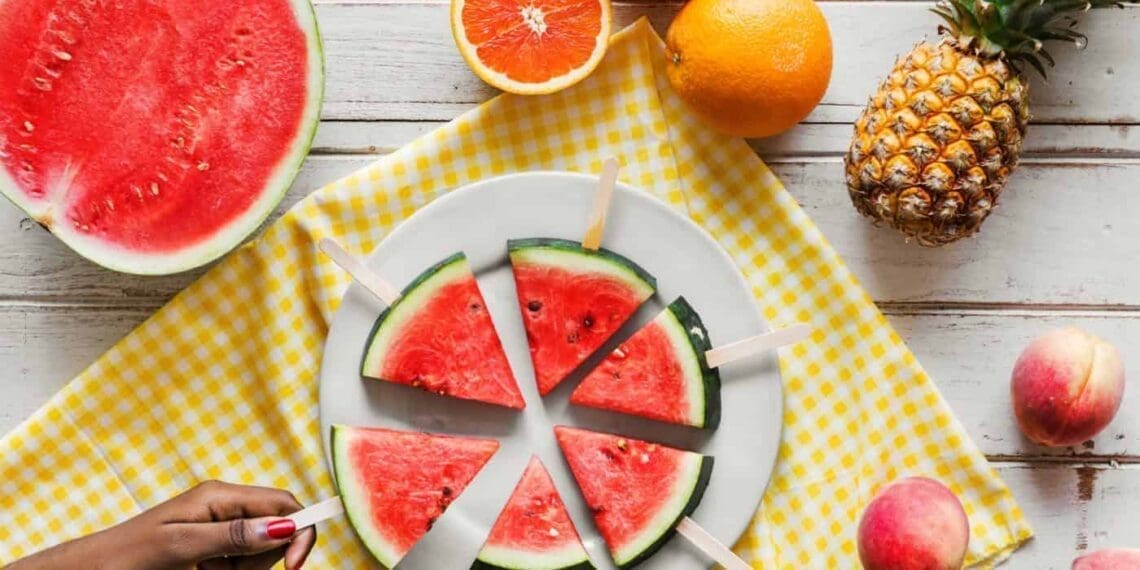
1. Watermelon – water content 92%
Watermelon has a high water content and also delivers many other important nutrients, including lycopene and vitamin C, which makes it very good for you. Improved digestion, good skin and hair, lowered inflammation (a key driver of many chronic diseases), heart health and prevention of cancers are some of the conditions that watermelon has been proven to help with. Watermelon seeds also contain nutritional value, so try roasting them to have as a snack.

2. Peaches – water content 89%
This stone fruit has been found to be low in calories and contains bio-active compounds that help fight diabetes and cardiovascular diseases. As a source of dietary fibre – which aids digestive health and lowers cholesterol – peaches keep you fuller for longer, so a peach a day is a must, especially now that they are in season.
3. Cucumber – water content 96%
“Cool as a cucumber,” anyone? This fruit has health benefits ranging from preventing acidity to helping maintain well-toned, glowing skin, thanks to its richness in various nutrients, vitamins, minerals, energy and water. Many studies also highlight the cool cucumber’s role in managing diabetes, lowering blood pressure, preventing constipation and reducing the risk of kidney stones. Amazing stuff. Organic cucumbers are currently found on most farms.

4. Lettuce – water content 96%
Lettuce was thought to possess medicinal properties by many ancient cultures. Modern research confirms some of these benefits, and today studies show the lettuce as beneficial in lowering cholesterol levels and reducing the risk of cancers, such as breast cancer. It is also rich in antioxidant and antimicrobial properties, aids in controlling anxiety, is useful as a sleep inducer, helps control inflammation and is a good remedy for neurodegenerative diseases. Lettuce contains moisture, energy, protein, carbohydrates, dietary fibre and sugars. Whether it’s Iceberg, Romaine or Butter lettuce, enjoy this vegetable in your summer salads, sandwiches and snacks.
5. Baby Marrow – water content 94%
Botanically, baby marrow is a fruit, although it is mostly consumed as a vegetable. Either way, it’s a nutrient-dense food that should be added to your diet as much as possible. The veggie-fruit contains zero fat, is high in water and fibre and contains significant amounts of vitamins, antioxidant and anti-inflammatory phytonutrients. They have been shown to lower blood sugar levels, improve digestion, support healthy circulation and a healthy heart, boost energy and aid in weight loss, amongst other health benefits. This summer squash is best eaten while small in size as the bigger ones contain lots of fibre, which may not be good for some.
6. Celery – water content 95%
If you’re into juicing, you’ll be familiar with celery juice and its health benefits. Even the leaves are good for diabetic conditions. Celery contains minerals, vitamins, fatty acids and fibre. Health benefits of celery include reduction of blood pressure, lowering of cholesterol levels, anti-cancer properties, boosting the immune system, improving heart health, detoxification of the body, diabetes control and weight loss. It’s also a natural nerve tonic. It is important to note that celery is listed as one of the veggies that have high pesticide residue, so be sure to wash thoroughly before eating it. Otherwise go for the organically grown kind which is also currently in season in South Africa.

7. Tomatoes – water content 94%
This sweet, juicy fruit is a staple food for most households. Rich in antioxidants, tomatoes have been linked to heart health, cancer prevention and skin health benefits. For added advantage, organically grow your own tomatoes at home. In the meantime, however, make sure to find a good organic produce seller for delicious and nutrient-rich tomatoes this summer.
8. Peppers – water content 92%
Bell peppers are a fruit eaten as a vegetable either raw or cooked. They can also be consumed dried as paprika. They come in various colours: green, which has more of a bitter taste, or orange, red and yellow (ripe), which are sweeter. Many vitamins and antioxidants are found in peppers, as well as a high dosage of vitamin C. Health benefits include heart health, serving as an antioxidant agent, eye and skin health, diabetes prevention and assisting with diabetic neuropathic pain. They also boost immunity and reduce the risk of anaemia.
9. Cabbage – water content 92%
Usually overlooked, the cabbage is an exceptionally healthy food eaten raw or cooked, and this applies to both green and red cabbage. Eating cabbage may lower the risk of certain diseases, cholesterol and blood pressure, which makes it great for heart health. It is also packed with powerful antioxidants, rich in fibre, vitamin C and an oxidant that protects against certain cancers, heart disease and vision loss.

10. Grapefruit – water content 88%
This humble citrus fruit is said to be the most nutritious of the citrus family. Low in calories, it has a significant amount of fibre and nutrients, hence its inclusion in most weight-loss programmes to promote appetite control. Evidence-based health benefits of the fruit include boosting immunity, improving heart health and possibly preventing insulin resistance and diabetes. Its powerful antioxidants may also help prevent chronic diseases including cancer. Note that it is advised to consult your doctor if you are taking regular medication, as grapefruit can interact with certain medicines, meaning that your body may not be able to break down certain medications and may cause overdose or other effects.
Sources: Organic Facts ; Healthline