Amid trade uncertainty following the United States’ imposition of 30% tariffs on South African exports, coupled with ongoing biosecurity threats like foot-and-mouth disease, the Agricultural Conditions Assessment Committee (ACAC) maintains that the country’s agricultural sector remains on a stable and promising trajectory.
At the recent meeting in Pretoria, the ACAC deliberated on the methodology for the collection of agricultural statistics and the stress-testing of the data quality that supports the calculation of the quarterly gross domestic product from the agricultural sector (AgGDP).
“The ACAC continues to view South Africa’s agricultural conditions as uneven, but leaning more towards the favourable growth path for most industries.
“In field crops, the output is up from the 2023-24 season, boosted by the favourable rainfall and vast planting area. For example, South Africa’s 2024-25 summer grains and oilseed harvest is estimated at 19.94 million tonnes, a 28% year-on-year increase. This encompasses maize, soybeans, sunflower seed, sorghum, dry beans and groundnuts,” the ACAC report stated.
Related stories
- Farming confidence falls amid FMD and trade concerns
- Sihlobo: Trade issues mustn’t overshadow SA biosecurity crisis
- Vaccine delays frustrate farmers as FMD crisis deepens
- SA exporters pivot hard after loss of Agoa access
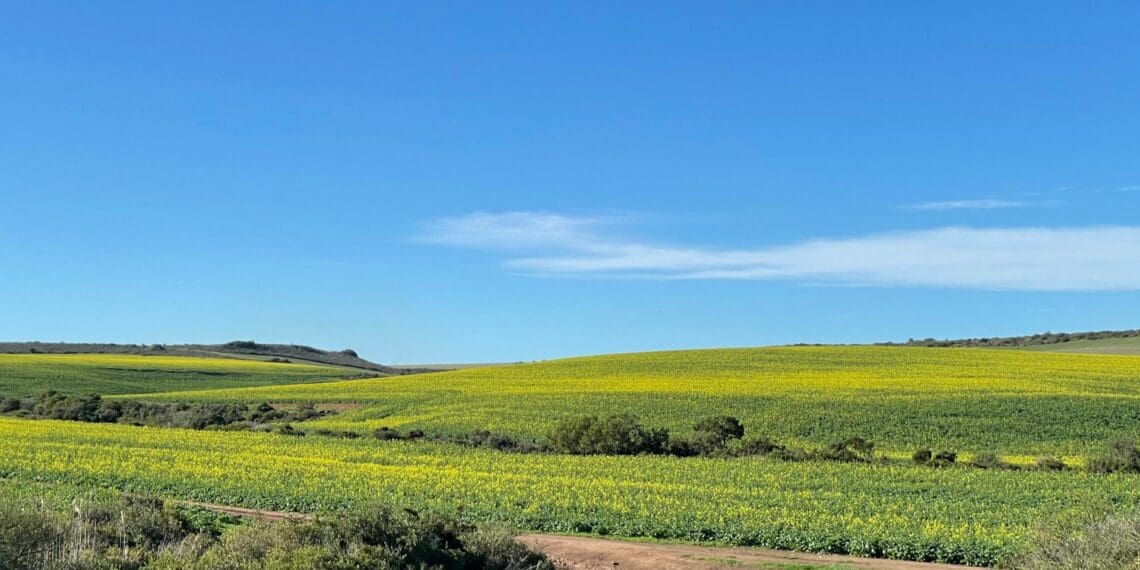
According to the report, the start of the season presented some snail infestation in canola-producing regions of the Western Cape, a significant winter crop-producing province of South Africa. Moreover, the drier weather conditions at the end of August and the beginning of September also weighed on the crop.
“Still, the production estimates remain decent, with South Africa’s winter crop estimated at 2.77 million tonnes, up 4% from the 2024-25 season. This estimate comprises wheat, barley, canola, oats and sweet lupines. Winter crop prices have held up better than summer crop prices.
“In livestock, the beef farmers and dairy producers continue to face a challenging environment due to foot-and-mouth disease. The disease and the slow process of vaccination will weigh on the profitability of farming businesses. But the one positive aspect is the better feed prices the ACAC continues to observe, following the large soybean and maize harvest.”
Recovery in agriculture
Meanwhile regarding fruits, the 2024-25 season has been a period of recovery. The citrus volumes, deciduous fruits, table grapes, and other fruits are all in better conditions, and across the board, harvests, along with export volumes, are well up from last year.,
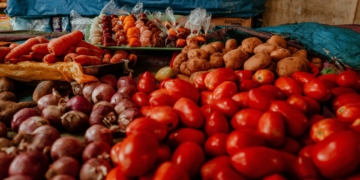
“The primary concern for horticulture and wine producers remains trade policy, particularly the friction in the US market and the slow pace of export diversification. At the production level, the conditions are favourable and should support third-quarter growth. The production conditions for vegetables are also fair, benefiting from favourable rainfall,” the report further stated.
One of the co-authors of the report, Agbiz senior economist Wandile Sihlobo, said the year 2025 is a recovery period for South Africa’s agriculture.
“With a picture like this, one might believe that all is well with South Africa’s agriculture. However, that is not the complete story. The close observers of the sector are aware that this flourishing picture conceals some significant challenges in certain sub-sectors.
“The sector’s recovery, while generally uplifting, is uneven. The major sub-sector of agriculture, livestock, is strained. In essence, 2025 will be a year of uneven recovery in SA agriculture,” he said.
READ NEXT: Grain SA celebrates developing farmers at Ukukhula Conference