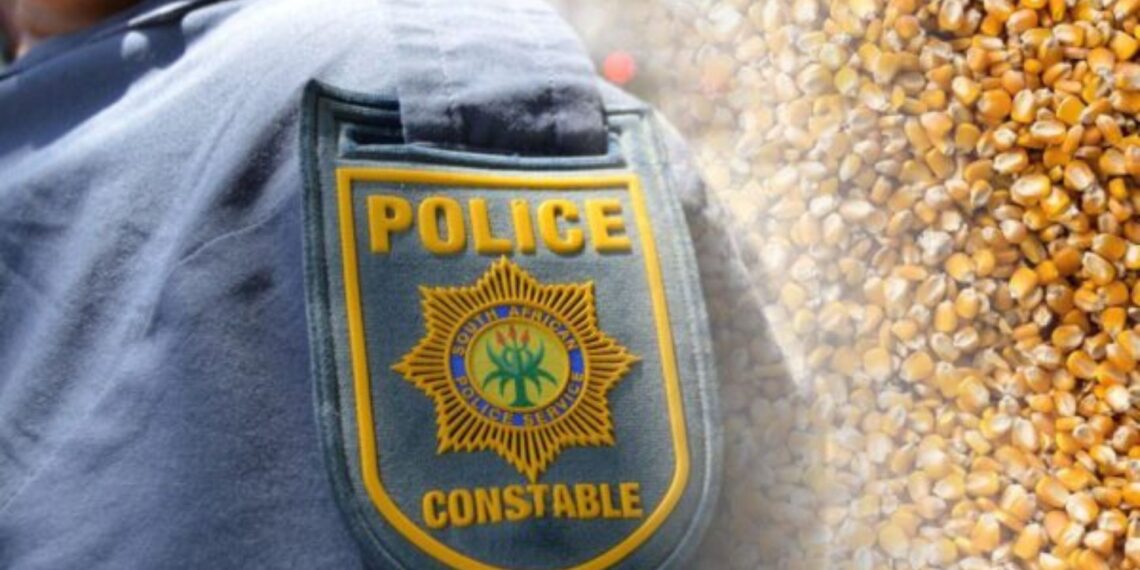
Farm safety is still a grave concern for the South African farming community, and agricultural experts and leaders are calling for a more proactive approach to rural safety. They urge the government to empower law enforcement agencies to combat crime in rural communities.
Safety risk analyst for Free State Agriculture, Dr Jane Buys, said they had put forward five critical points during the recent Policing Summit, which would ease the crisis of crime affecting the agricultural sector.
“Our points are associated with the implementation of the National Rural Safety Strategy. The strategy itself is a good document, and it only needs implementation. In 2019, it was revised; now, five years down the line, there are a lot of problems with implementation.
“We have said in rural-urban police stations, we need at least one or two rural safety coordinators; they also need to have clear job descriptions on what they are expected to do. Also, they need dedicated rural safety vehicles to deal with crimes in rural farming communities like stock theft,” she said.
Fix infrastructure, law, and manpower
Buys said in some police stations, especially in the Free State, the stock theft unit has only two to three investigators, down from ten to fifteen in the past few years. They are calling for the unit to be capacitated.
“We have asked that there should be a critical focus on the Lesotho and South Africa border, for example, police stations near the border need to be capacitated. Roads in the area need to be gravel to allow police, soldiers, and farmers to patrol.” She explained that the gravel roads are not in good condition, so they need to be levelled as rains have damaged them, and even bakkies are struggling to drive through.
“We also said there was a need to replace the National Stock Theft Act. We think it is an old act; it needs to be replaced with the Animal Control Act, which we contributed on,” she said.
Buys said farm attacks are happening to all farmers and not only commercial farmers, and it is important for everyone to work together.
Related stories
- Cry for rural safety as farm attacks persist amid lack of resources
- Worrying trend: Farm attacks on the rise as calls to act grow
Rural safety needs proactive approach
Uys van der Westhuijzen, AgriSA chairman of the Centre of Excellence: Rural Safety, said AgriSA fully supports this shift by the South African Police Services (SAPS) toward a more proactive rather than reactive policing approach, and initiatives like the E2 project are a prime example.
“This recognition also reflects the significant capital investment made by farmers into rural security structures, such as CCTV camera networks, license plate recognition systems, and communication infrastructure, that are already being utilised daily by law enforcement agencies.
“It also proves the successful cooperation between farmers and law enforcement through organised structures, such as local farmers’ associations affiliated to district and provincial bodies, and ultimately AgriSA – a model which aligns seamlessly with the principles of the SAPS National Rural Safety Strategy,” he said.
Meanwhile, national police commisioner Fanie Masemola said during the summit deliberations, they assessed the current state and performance of the SAPS, focusing on operational inefficiencies.
“We identified pragmatic strategies that will improve and advance maximum effectiveness in policing while strategically repositioning the SAPS to ensure long-term relevance, heightened professionalism, and the restoration of public trust.
“The SAPS will establish a National Policing Summit Operations Room. This facility will house a permanent scoreboard that will track and trace progress on the resolutions of the summit periodically for the next five years,” he said.
Masemola noted that the role of technology in solving complex crimes, particularly in areas like digital forensics and intelligence gathering, is being explored with practical examples of local innovation and international best practice.
READ NEXT: Zimbabwe begins payouts to former farm owners
Sign up for Mzansi Today: Your daily take on the news and happenings from the agriculture value chain