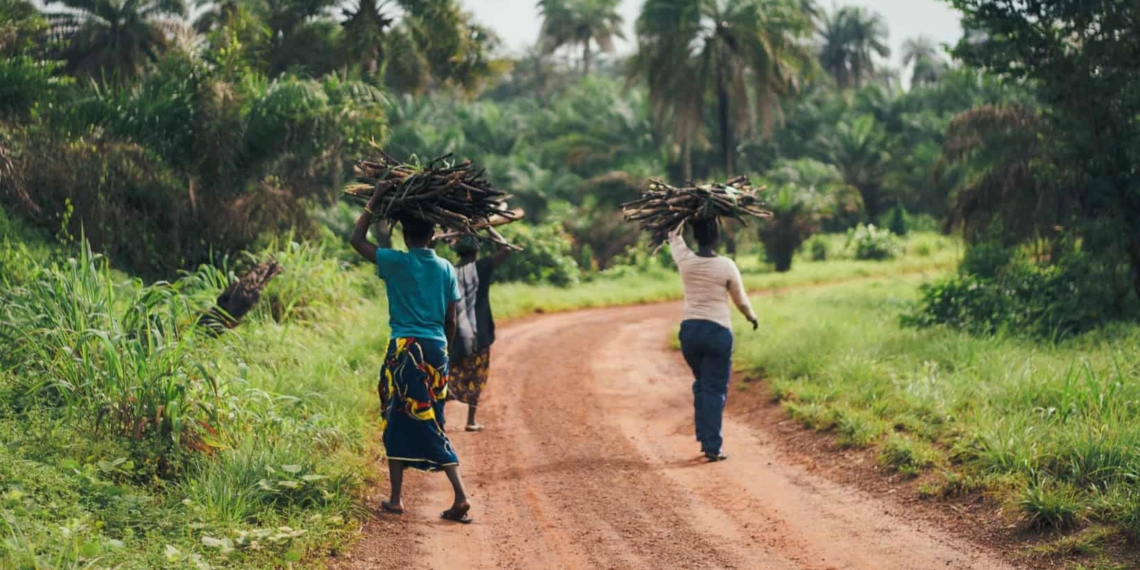
 It is common practice for males in positions of power on farms to ask female employees for sexual favours in exchange for job security. This according to Rebecca Mort, health and empowerment coordinator of the Stellenbosch-based nongovernmental organization (NGO), Women on Farms.
Today marks the beginning of the international 16 Days of Activism for No Violence Against Women and Children. This campaign unfolds annually from 25 November, the International Day of No Violence Against Women.
Women may be the pillars of the agricultural sector in developing countries throughout the world, but their position in the value chain has not shielded them from sexual and physical exploitation on farms, Mort says.
“Often, we come across cases where the farmer, farm manager, or labour broker would verbally harass or abuse women workers with degrading language, referring to their private parts.
“We have several cases where farmers would imply that women are promiscuous, are sluts or want to sleep with them, without that even having been the case,” says Mort.
‘Deviant abused women under my nose’
In October, well-known farmer Eric Mauwane was faced with an incident where a female worker from Zimbabwe had been too scared to speak out against a farm manager working on his Tarlton farm in Gauteng.

Mauwane reveals that he could have never imagined women working and living on his farm could ever be preyed upon or become the punching bags of male managers.
Two women between 30 and 35 years old broke their silence after a farm manager had physically and verbally abused them on separate occasions.
“The victim stopped showing up for work out of the blue and revealed that this guy was making advances towards her and when she turned him down, he started being abusive,” Mauwane says.
Meanwhile, the other victim gave in to his advances, began a relationship, wound up pregnant and was physically abused by the alleged deviant.
Both victims are migrant workers who have been too scared to follow through with charges against their shared abuser, who has since been fired.
“As a farm owner and as a man, what do I do? I cannot even open a case against that man because they won’t come forward,” he says.
“I am beginning to suspect there might be more cases I am not even be aware of,” he adds, concerned.
The woman, a migrant worker from Zimbabwe, has since dismissed charges against the alleged perpetrator.
“There was an assumption that we won’t believe her because she is a foreigner. Too often, we look down on farming communities and there is so much happening that we keep sweeping issues under the rug,” Mauwane adds.
But what can farmers do?
“I think what this has made me realise is that I need to be more open with the workers. As much as I smile with them and talk to them, there was still the assumption that I would not believe them,” Mauwane says.
He suggests farmers in the same position as him “go and chat with female workers and ask them kindly as the owner to report incidents where they have been made to feel unsafe by a man.”
Mort emphasises that foreign women seeking job opportunities on farms are the most vulnerable, suffering the brunt of abuse, exploitation, and deviant predatory advances in the workplace.
Women are often silenced or forced to tolerate harassment over the fear of not being believed and not obtaining employment. She adds that it was commonplace for perpetrators to abuse their power, forcing victims into silence.
“By the time we reach out to these women, they are extremely afraid to speak out because not all of them would have had their papers or documentation.
“They are too scared to lose their jobs and are vulnerable in terms of what kinds of protection they can access,” Mort explains.
‘Men need to realise that they are the problem. Call out your rapey, abusive friends, re-examine the gender roles in the household…’
A September study conducted by UN Women found less than 40 per cent of the women who experienced violence sought out help of any sort. “They just sort of disappear and stop coming to the farm,” Mort clarified.
Mort explains that abuse on farms has been allowed to continue because women working and living on farms are not aware of their rights. Enormous structural and social obstacles inhibit their ability to claim and enforce their rights.
“Power relations at household level together with entrenched patriarchal practices within farming communities combine to keep women subordinate and vulnerable. These beliefs and practices also restrict women’s access to resources and services,” she says.
All women within South Africa are subjected to violence daily and are able to share experiences of powerlessness within a patriarchal society. It is important to remember that you are not alone,” a supportive Mort adds. “You can have a safer, happier life for yourself and for your children.
“Men need to realise that they are the problem. Call out your rapey, abusive friends, re-examine the gender roles in the household that contributes to the burden on women’s shoulders in terms of an unfavourable work environment, household labour and unfair economic opportunities that women have to try and survive through.”