
Yes, it is still safe to eat poultry meat, says the South African Poultry Association (SAPA) following the recent outbreak of avian influenza at different farms across the country.
Dr Lucia Anelich, a Pretoria-based microbiologist, also assures the public that the H5N1 influenza virus will not affect humans.
Avian influenza, also known as bird flu, is described as a highly pathogenic viral respiratory disease affecting birds. In the past few weeks, it has been detected on farms in Gauteng, North West and the Western Cape.

“Avian influenza is a virus that affects the animal. It therefore has an impact on only the bird and is not transmitted to humans. Some viruses can be transmitted to humans from animals, but avian influenza is not one of them.
“Therefore, consuming properly cooked chicken and chicken products during the outbreak is perfectly safe,” says Anelich.
Izaak Breitenbach, general manager of SAPA’s broiler organisation, further clarifies that avian influenza is a “chicken disease” and not a human disease.
Breitenbach too affirms that it is perfectly safe to consume poultry products amid the outbreak.
“There are no concerns in terms of food safety from a high pathogenic influenza point of view. We have got an early warning system where we monitor more than 900 farms. So, even if the mortality rate on a farm starts to increase, we isolate that farm.”
ALSO READ: 5 tips to save your poultry business
How does the virus work?
According to Breitenbach the H5N1 virus is present in the faeces of infected birds and discharge from their noses, mouth, and eyes.
Domestic birds, including chickens, are at risk of being infected through faecal contamination of the environment from wild waterbirds or by indirect contact with infected poultry on other premises.
“If that farm is then tested positive, nothing can move from that farm. No eggs, no meat, nothing. If the farm tests positive, all those products and birds are disposed of on sight. It never enters the food chain,” says Breitenbach.
Mzansi in the safe zone
A 2017 outbreak nearly decimated South Africa’s poultry industry as producers lost R1.6 billion worth of produce, says Breitenbach. “It wiped out 50% of our small farmers at that point in time.

“What we have found up until now is that the infections that took place were infections from wild birds to chickens. That is a difficult one to control.
“If we look at the outbreak so far, the number of outbreaks from chicken to chicken, we couldn’t confirm any of those yet. That is showing us that we are containing the outbreak on our farms very well, but we are at risk because of the wild birds.”
Anelich is confident that SAPA has learned many lessons from the 2017 outbreak.
“The poultry industry has been aware of avian influenza now for many years. They do have biosecurity measures in place.
“I do understand the fear or the concern from the consumer because they have been pelted in South Africa with quite a few things since 2018. It was the listeriosis crisis, and then, with this pandemic, influenza and the fear around the spread from potential surfaces.”
There’s enough to eat
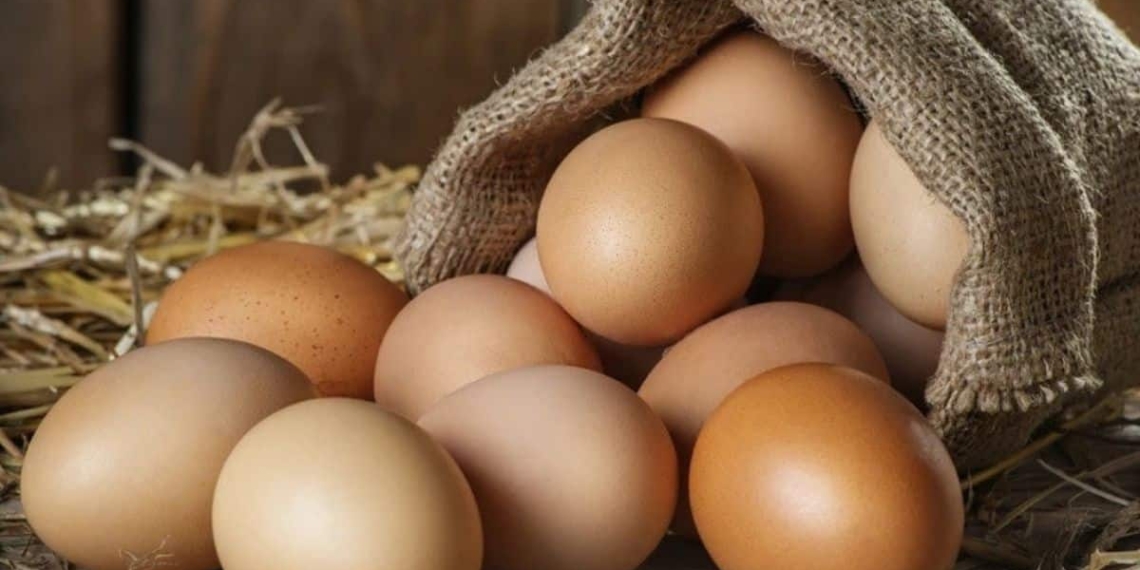
At present, the disease has not affected the supply of food. “We still have enough commercial eggs to eat and there is still enough chicken meat,” adds Breitenbach.
“I will be disappointed if we can’t have less infected flocks than 2017. We now have systems in place that we did not have in 2017. That was the first time we isolated that virus in South Africa. We have put plans in place preventatively since 2017 to control the disease better.”
ALSO READ: Avian flu: Poultry industry hustling to save exports