Saturday, May 9, 2026
SUBSCRIBE
21 GLOBAL MEDIA AWARDS
Food For Mzansi
  • News
  • Changemakers
  • Lifestyle
  • Farmer’s Inside Track
  • Food for Thought
No Result
View All Result
  • News
  • Changemakers
  • Lifestyle
  • Farmer’s Inside Track
  • Food for Thought
No Result
View All Result
Food For Mzansi
No Result
View All Result
in Climate Change

Below-normal rainfall forecast threatens winter crops and dams

The threat of El Niño is once again worrying South African farmers as forecasts point to drier conditions ahead for much of the country. While eastern coastal areas may receive more rain this winter, concerns are growing over shrinking Western Cape dam levels

by Ed Stoddard
9th May 2026
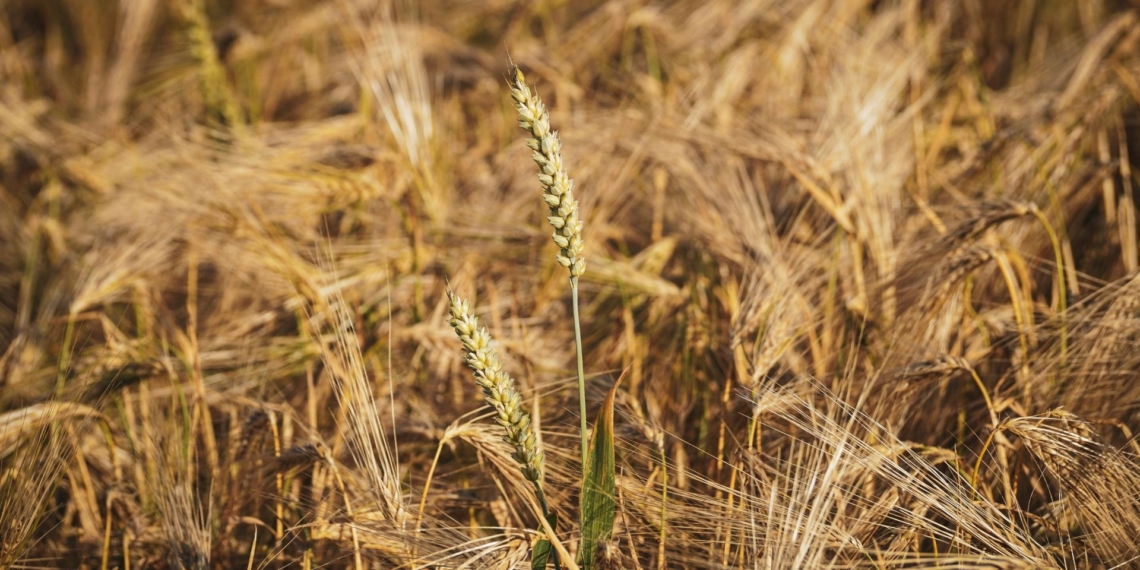
South Africa is bracing for a dry winter and a potential super El Niño. With Western Cape dam levels currently at 46%, the pressure is on for the country's winter wheat and canola farmers. Photo: Susanne Jutzeler/Pexels

South Africa is bracing for a dry winter and a potential super El Niño. With Western Cape dam levels currently at 46%, the pressure is on for the country's winter wheat and canola farmers. Photo: Susanne Jutzeler/Pexels

Share on FacebookShare on TwitterShare on WhatsApp

South Africa’s southwestern and southern coastal regions are still expected to have below-normal rainfall this autumn and winter, raising concerns about dam levels, water supplies and winter crops such as wheat and canola.

Against this backdrop, a potential super El Niño may emerge as early as this month, and if it remains in place for the rest of 2026, it will probably herald drought in SA’s summer rainfall regions, including the maize belt.

Only SA’s eastern coastal regions are expected to have above-normal rain during the wet winter season. The current indications – which are not set in stone – are that much of SA this year may receive less rain than usual, with drought potentially on the cards.

“The eastern coastal areas are expected to receive above-normal rainfall during the winter seasons, and below-normal rainfall is expected for the southwestern and southern coastal areas during this period,” the South African Weather Service said in its most recent monthly Seasonal Climate Watch, which looks five months ahead – in this case until the end of September or spring.

A look at dam levels

Dam levels in the Western Cape are currently at only 46% of their storage capacity compared with 57% at this time last year, and are below half of the national average.

FARMER POLL

📢 Which bank is powering your farming journey?

Tell us which bank you use so we can better advocate for the specialised financial tools and accessible capital needed to help South African farmers overcome growth barriers and thrive!

All submissions are kept strictly confidential. 

This underscores the worrying point that the Western Cape needs all the rainfall it can get during its current wet season, but it could be left high and dry in a region where memories of the looming “Day Zero” remain fresh.

At least dam levels elsewhere – including Lesotho, which supplies the industrial and economic hub of Gauteng – are brimming, thanks in large part to the La Niña weather pattern that recently faded.

It’s where you want dam levels ahead of La Niña’s polar opposite El Niño, which global forecasters predict could emerge as soon as this month – a much faster-than-usual transition between the two.


Related stories
  • Sorghum: Forgotten grain rises as climate-smart crop choice
  • How climate-friendly farming is paying off for rural EC communities
  • Grape growers adapt vineyards to thrive in a hotter climate
  • Goat and sheep farmers breed smarter to beat climate stress

El Niño is triggered by a spike in sea-surface temperatures above a certain threshold in the equatorial Pacific, while La Niña is a consequence of a cooling of these waters. The two have different impacts across the world, but in our neck of the woods, La Niña usually unleashes a drenching while El Niño brings drought.

The World Meteorological Organisation says in its latest outlook that there has been “a clear shift in the Equatorial Pacific: sea-surface temperatures are rising rapidly, pointing to a likely return of El Niño conditions as early as May-July 2026” – a view echoed by other global forecasters.

It is important to note that the emerging El Niño is not the driving force behind the relatively dry outlook for SA’s southwestern and southern coastal areas.

Global weather dance

The El Niño-Southern Oscillation – as this global weather dance is called – only really affects SA during the summer months.

“During winter, the southwestern parts of the country are mainly affected by mid-latitude cyclones (or lack thereof) which originate over the Southern Ocean,” Cobus Olivier, a scientist focused on prediction research at the South African Weather Service, told Daily Maverick.

The El Niño-Southern Oscillation is currently in its neutral phase but is fast changing gears toward El Niño. The last such event in 2023/24 was intense and left a trail of parched misery and wilted crops across southern Africa.

The increasing chances of its return this year are high on the radar screens of South African farmers.

  • This article was first published by Daily Maverick.

READ NEXT: Extreme heat: A growing threat to Southern Africa’s food and health

Sign-up for the latest agricultural news delivered straight to your inbox every day with Mzansi Today!

Ed Stoddard

Tags: El NinoInform meweather patternsWestern Capewheat
Advertorial

Citrus sector enters uncertain season as trade shifts reshape markets

by Ivor Price
6th May 2026

SPONSORED CONTENT: The latest Absa AgriTrends Report shows how climate shocks, shifting global supply and trade policy uncertainty are reshaping...

Read moreDetails
Start small, grow big: Tap into Mzansi’s mushroom market

Start small, grow big: Tap into Mzansi’s mushroom market

6th May 2026
SA and Brazil unite to tackle foot-and-mouth disease crisis

SA and Brazil unite to tackle foot-and-mouth disease crisis

6th May 2026
Goss’s Wilt: What to look for and what to do

Goss’s Wilt: What to look for and what to do

5th May 2026
Massive fuel price hikes hit SA despite extended levy relief

Massive fuel price hikes hit SA despite extended levy relief

5th May 2026

Goss’s Wilt: What to look for and what to do

Heading to Nampo? Join these free farm talks!

This week’s agri events: 04 – 08 May

Extreme heat: A growing threat to Southern Africa’s food and health

Baloyi’s mission: Designing ‘perfect plant babies’ for SA’s farmers

Join Food For Mzansi's WhatsApp channel for the latest updates!

JOIN NOW!

THE NEW FACE OF SOUTH AFRICAN AGRICULTURE

With 21 global awards in the first six years of its existence, Food For Mzansi is much more than an agriculture publication. It is a movement, unashamedly saluting the unsung heroes of South African agriculture. We believe in the power of agriculture to promote nation building and social cohesion by telling stories that are often overlooked by broader society.

Below-normal rainfall forecast threatens winter crops and dams

Late mandarins stabilise after years of strong growth

Mother-daughter duo empowers 100 farmers through retail access

Farmers battle floods, snow and damaged infrastructure

New platform launched to strengthen African food policy

Baloyi’s mission: Designing ‘perfect plant babies’ for SA’s farmers

  • Awards & Global Impact
  • Our Story
  • Contact Us
  • Cookie Policy
  • Privacy Policy
  • Copyright

Contact us
Office: +27 21 879 1824
News: info@foodformzansi.co.za
Advertising: sales@foodformzansi.co.za

Contact us
Office: +27 21 879 1824
News: info@foodformzansi.co.za
Advertising: sales@foodformzansi.co.za

  • Awards & Global Impact
  • Our Story
  • Contact Us
  • Cookie Policy
  • Privacy Policy
  • Copyright
No Result
View All Result
  • News
  • Changemakers
  • Lifestyle
  • Farmer’s Inside Track
  • Food for Thought

Copyright © 2024 Food for Mzansi

This website uses cookies. By continuing to use this website you are giving consent to cookies being used. Visit our Privacy and Cookie Policy.