Weather experts are sounding the alarm on a looming super El Niño that could be the strongest climate shock in 140 years. Driven by deep ocean waters reportedly reaching 7°C above average, the weather phenomenon is expected to amplify the effects of climate change and increase the risk of regional droughts well into 2027.
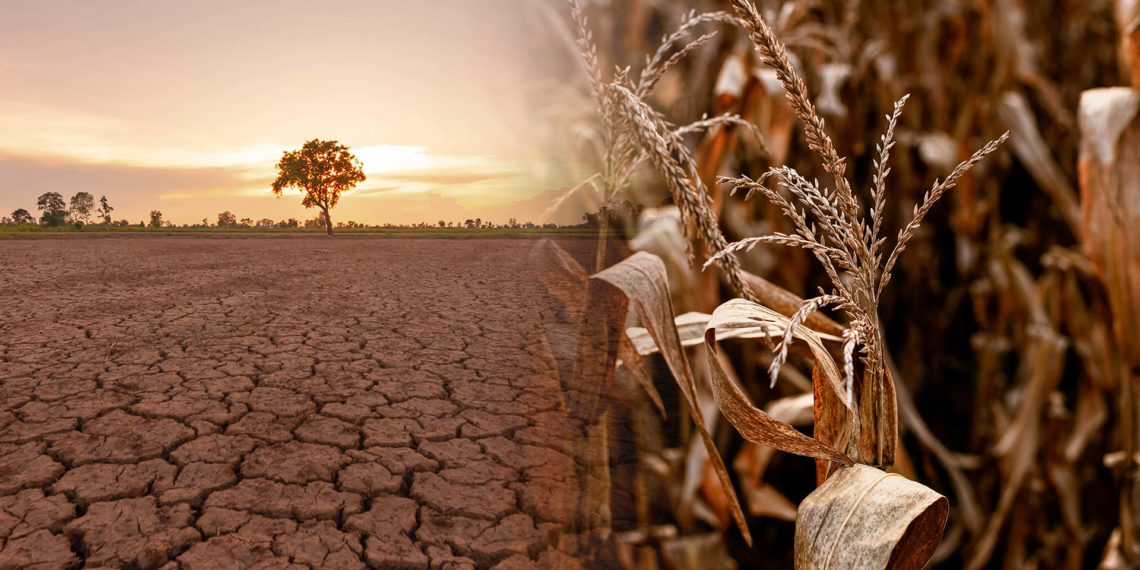
But on the ground in South Africa, the effects look a bit different. When severe drought hits, crops do not always die off completely; they often shrink. The result is smaller, stunted grains that reduce food supply while supermarket prices climb.
With a parched environment leaving both plants and people vulnerable to disease, how do we protect human health when our primary food systems come under increasing pressure?
The biology of a starving harvest
Professor David Katerere, research chair in pharmaceutical and biotech advancement at Tshwane University of Technology (TUT), says the crisis facing crops mirrors what malnutrition does to the human body: “It’s almost like if you have a malnourished child, then they are likely to also have a lot of disorders and be vulnerable to disease.”
This vulnerability leads to widespread crop failure and stunted growth, he says. However, drought does not fundamentally alter the crop’s chemical DNA or its primary metabolites like starch, protein, and fats. Instead, the impact is largely physical, Katerere adds.
The grain simply cannot grow. Harvests shrink into miniature versions of what they should be, drastically reducing the total amount of food available to communities.
Related stories
- Western Cape suffers driest July on record ahead of intense El Niño
- Farmers urged to plan smart as El Niño threatens planting season
- A super El Niño looms: Africa’s five lessons in climate resilience
- Ample grain stocks shield SA consumers from impending El Niño
The economic calm before the storm
When agricultural yields decline, the financial shockwaves travel quickly from the farm gate to the consumer’s plate, though not always immediately. Thabile Nkunjana, a senior agricultural economist at the National Agricultural Marketing Council (NAMC), provides a real-time look at South Africa’s food markets.
For now, he said consumers were experiencing a reprieve. “Food inflation declined, dropping from 2.9% in April to 1.9% in May, driven by lower fruit prices, cheaper beef following improved Foot-and-Mouth Disease management, and lower wheat and maize products. This easing reflects highly favourable weather during the previous production season,
Nkunjana explains that near-term food security remains relatively secure.
“People don’t need to worry about food prices because the country is anticipated to record its largest-ever summer grain and oilseed harvest during the 2025–2026 crop season.”
Thanks to increased plantings and favourable rainfall, the country’s summer grain and oilseed harvest is expected to reach 21 million tonnes, around 3% higher than the previous season.
As a result, immediate food price shocks are unlikely. But Nkunjana warns that this buffer is temporary and conditions could change in the coming months.
Global pressures and the El Niño threat
Meanwhile, the NAMC projections suggest a combination of domestic climate pressures and global economic factors could disrupt this stability period.
Nkunjana says forecasts indicate a greater than 61% chance of El Niño conditions developing, increasing the likelihood of below-normal rainfall that affects grains, oilseeds and the broader agricultural sector.
“Drought cycles tend to reduce South Africa’s planting season for summer grains and oilseeds, which starts in October,” Nkunjana said.
“In the end, this would result in reduced yields and possibly fewer exports, which would reduce export earnings.”
Thabile Nkunjana
South Africa also remains vulnerable to global commodity markets.
“In May, the UN Food and Agriculture Organisation’s global cereal price index rose by 2.6%, with wheat prices increasing for a fourth consecutive month because of lower expected harvests among major exporters, including the United States. Stronger import demand, limited supply in Brazil and rising energy costs also pushed up international maize and rice prices.
“These trends align with previous research. An International Monetary Fund analysis found that severe El Niño events have historically increased global real commodity price inflation by between 3.5 and four percentage points,” he said.
Models also suggest that, if a severe El Niño affects several major food-producing regions simultaneously, the number of people facing acute food insecurity could rise to 363 million.
“Because South Africa is a small player with limited influence over global markets, products such as maize and other summer crops remain vulnerable to international price shocks. If the predicted El Niño materialises, this will become even more pronounced in the coming months.”
He said although this season’s 21-million-tonne harvest provides a buffer, its protection will not last indefinitely.
“The different elements influencing food prices won’t become apparent until much later, perhaps in early 2027. By then, global food supply and demand, including the aftermath of the Middle East conflict, will also play an important role.”
The way forward
Katerere believes building solutions begins with revisiting indigenous farming practices. Rather than relying solely on water-intensive commercial crops, he argues that households should diversify home gardens with indigenous plants naturally adapted to harsh conditions.
“The indigenous way would be to plant home gardens with diverse crops, including indigenous leafy vegetables such as imifino. They don’t require a lot of water and are considered weedy, so they grow easily.”
Hardy greens such as amaranth and blackjack provide nutritious leaves and seeds, while indigenous berries can supplement household diets through foraging.
Katerere also argues that replacing water-intensive staple crops such as maize with traditional small grains offers another important adaptation strategy.
“When you look at small grains, we’re talking about millets and sorghum. They require much less water and for a shorter period than maize. That would also be a way of coping with climate variability.”
READ NEXT: A super El Niño looms: Africa’s five lessons in climate resilience