There’s more to your Sunday roast than what’s on the plate. Discover how Mzansi’s red meat industry sustains rural livelihoods, protects cultural traditions and puts food on millions of family tables.
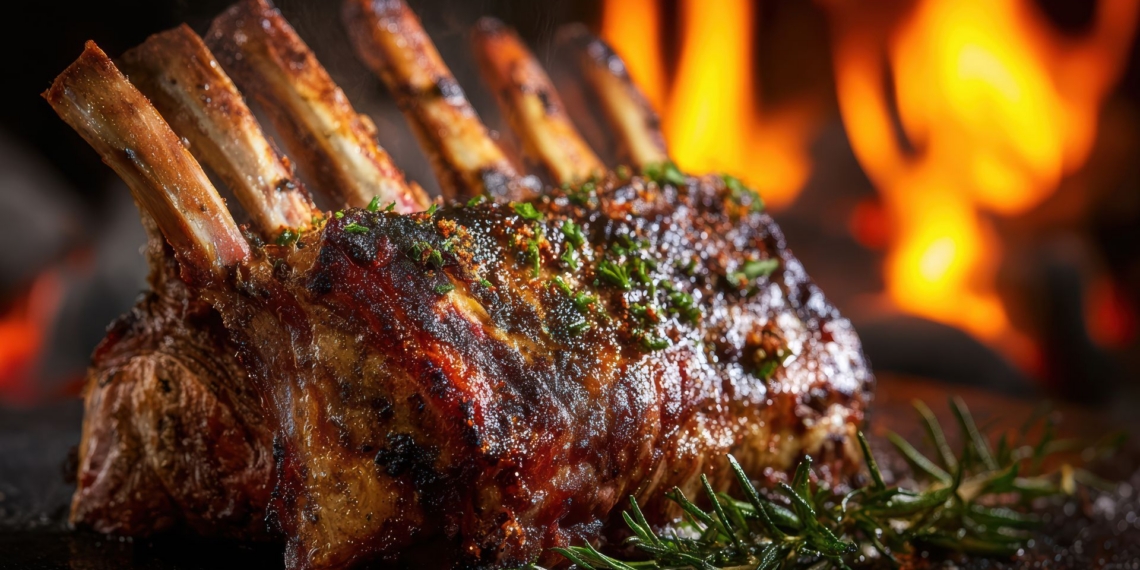
It’s Sunday. The roast has been in the oven since before church, the lamb chops are spitting on the braai, or a pot of slow-cooked stew is filling the kitchen with the smell of home.
For millions of South African families, the Sunday lunch is a ritual. It’s where the week slows down, where grandparents and grandchildren share a table, and where the best cut of meat is saved for the people we love.
“In our house, Sunday is not negotiable,” says Moeketsi Tshabalala from Johannesburg. “It’s the one day everybody is home. My mother still makes her beef stew the way her mother taught her, and nobody touches the meat until grace has been said.”
“During the week we eat what we can afford, but on Sunday we put the best on the table,” he says. “That meal is how we remind each other that we are still a family. Take the meat away, and it just feels like any other day.”
But few of us stop to ask where that meal began. And fewer still ask a harder question: what would happen to South Africa if the people who produce that meat could no longer make a living from it?
The answer reaches far beyond the farm gate. It touches our health, our rural towns, our cultures and the livelihoods of hundreds of thousands of people.
Related stories
- Unlocking the economic and nutritional power of the fifth quarter
- The Tshabalalas can still enjoy their family’s favourite red meat
- Red meat in SA: Culture, heritage, and celebration
- Meat is safe to eat despite FMD outbreak, assure experts
More than a meal
Start with what’s on the plate. Red meat is one of the most nutrient-dense foods we eat. A modest portion delivers high-quality protein along with iron, zinc and vitamin B12, nutrients that growing children, pregnant women and older people often struggle to get enough of.
In a country where many households still face hunger and hidden malnutrition, affordable access to these nutrients matters. Food security isn’t only about filling stomachs. It’s about filling them with food that helps bodies grow strong.
The people behind the plate
Now follow that roast backwards. Before it reached your oven, it passed through a butcher’s hands or a retailer’s cold chain. Before that, an abattoir worker processed it, and an inspector checked it.
A truck driver moved the animal along a long rural road, and an auctioneer’s call set its price. Feedlot workers fed it, and long before that a farmer or herder raised it, often over years of drought, disease and uncertain prices.
Every one of those steps is a job, and every job supports a family. The livestock industry makes up at least 40% of the gross value of South African agriculture, according to the National Agricultural Marketing Council. In many rural towns, the auction pen, the abattoir and the butchery are among the few reliable employers left.
A living bank account and a cultural heartbeat
For many rural households, livestock is far more than food. A herd of cattle or a flock of sheep is savings on four legs. It’s the money that pays school fees, covers a medical emergency or rebuilds a home after a storm.
Livestock also sits at the heart of our cultural life. Cattle are central to lobola negotiations. A goat or a sheep is slaughtered to welcome a newborn, honour the ancestors, celebrate a homecoming or bid farewell to a loved one. These ceremonies hold families and communities together, and they depend on healthy animals being available and affordable.
Opening the gate to formal markets
Here lies one of the sector’s biggest opportunities. Communal farmers own close to 40% of South Africa’s cattle, yet they make up only around 8% of the formal red meat market, according to the SAB Foundation.
That gap represents income that never reaches rural households. Distance, a lack of handling facilities, limited market information and animal health requirements keep many communal and smallholder farmers selling informally, often at lower prices.
Caroline McCann, sustainability and business development director at Meat Naturally Africa, an SAB Foundation award winner that helps communal farmers reach formal markets, says the starting point is the wealth that already exists in rural kraals.
“What makes this approach different is that we recognise the economic value farmers already have,” she says. With the right support, McCann adds, communities “can earn more from the livestock they already own” while improving the land for future generations.
This is why organisations like the Red Meat Producers Organisation (RPO) are working to bring more of these farmers into formal value chains. When a communal farmer in the Eastern Cape or Limpopo can sell at a fair, transparent price, the benefit flows straight into the local economy.
Why this matters at the checkout
Animal health, traceability and functioning markets can sound like industry jargon. But they show up on your till slip.
When diseases such as foot-and-mouth break out, auctions close, animals can’t move, and export markets shut their doors. After the 2022 outbreak, China suspended imports of red meat and other cloven-hoofed animal products from South Africa. Farmers lose income, jobs come under pressure, and supply and prices become less predictable.
Traceability, knowing where an animal came from and how it was raised, protects both consumers and producers. It builds the trust that keeps local shelves stocked and export markets open.
So the next time you carve the Sunday roast, remember the story behind it. That meal connects you to a farmer at dawn checking on a sick calf, a driver on a gravel road, a butcher opening shop and a family whose herd is their future.
The transformation and sustainability of the red meat industry isn’t only a farming issue. It’s about the food on our plates, the jobs in our rural towns and the traditions that make us who we are. Keeping it healthy means keeping South Africa fed, working and connected.
This story is part of a special series in partnership with the Red Meat Producers’ Organisation (RPO) – a tribute to the farmers feeding our nation, one meal at a time.
READ NEXT: Farmers speak out: What they need from municipal leadership now