Bringing sorghum back: How Malebe is reviving indigenous grains
Do you remember the smell of fresh sorghum porridge in the morning? For food activist Felicia Malebe, that scent is the taste of home. By soaking and blending "mabele," she creates café-style dishes that are as nourishing as they are delicious. Check out her recipe for fluffy sorghum pancakes
Try Felicia Malebe’s fluffy sorghum pancakes and discover how innovation can turn a simple, nutritious meal into something beautiful and satisfying. Photos: Supplied/Food For Mzansi
Felicia Malebe is on a mission to bring sorghum back to the Mzansi dinner table. Inspired by her mother’s traditional meals in Mpumalanga, the food justice activist explores how this indigenous grain can fight the rise of processed foods, offering both nostalgic flavours and modern, nutritious recipes.
Growing up with a mom who cooked and baked, Malebe grew a deep connection with food. Over time, she noticed how supermarket shelves are full of highly processed items, and how some staple and traditional foods are hard to find.
Sorghum, for example, used to be everywhere; now it’s scarce, replaced by processed alternatives.
To her, this shows how much nutrition is lost between farms and the shelves. With this love for authentic food, Malebe became a cook who enjoys sharing and hosting, and it’s also what drives her work as a food justice activist.
The taste of home
Waking up to a hot sorghum porridge is something Malebe grew up with, always served with love by her mother. She says that as the lastborn of six, she enjoyed the attention and watched everything with care.
Growing up in Mashishing in Mpumalanga, they had food gardens for sustenance, filled with a variety of nutritious crops. One of her favourites was sorghum. Malebe says sorghum is not just a grain, it’s a story that has been somewhat forgotten.
“My mom made soft porridge and pap with it,” she says.
“We hardly ate store-bought food because she loved cooking and baking from scratch.”
Felicia Malebe says sorghum porridge always takes her back home and reminds her why food that truly matters is so important. Photo: Supplied/Food For Mzansi
Malebe recalls her mother waking up early to prepare the sorghum, from its whole seeds to milling it into meal and flour. “She also baked bread in a pan, layered it, and cut it into small blocks; it became a family favourite.
“Being surrounded by homemade food shaped me deeply. Food was about care, nourishment, and togetherness.”
“Looking back now, it’s beautiful to see how my childhood connects to what I do today,” she says. “My mom still bakes, especially her famous bread, which her grandchildren love. She even taught us how to bake it, and that legacy continues through the family.”
Malebe started sourcing her own sorghum in 2025 from neighbouring retail shops, experimenting with what she remembered from her childhood, bringing those memories back to life.
She tells Food For Mzansi that she has noticed how scarce sorghum is on the shelves, and even when it is available, it can be quite expensive. Now living in Tshwane, she makes meals at home and hosts family and friends. The feedback has been amazing, encouraging her to do more.
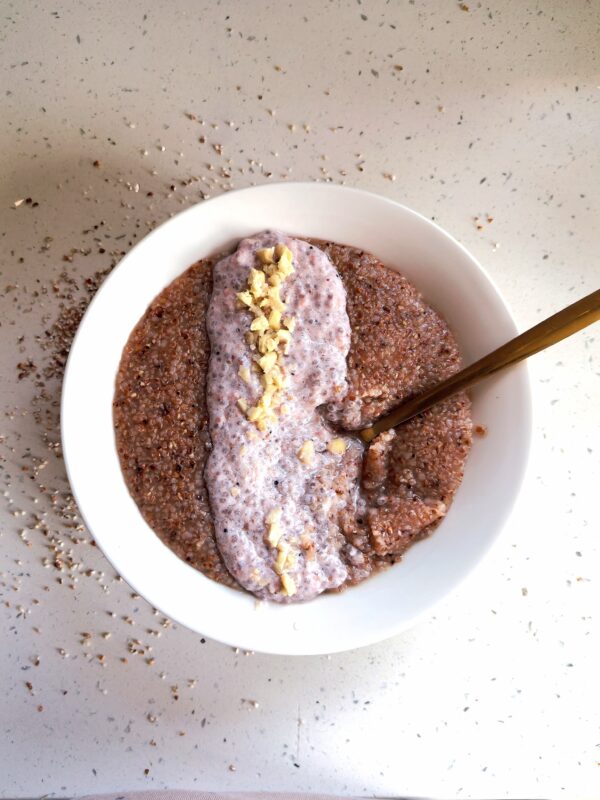
Felicia Malebe says she finds it easy to add a bit of sorghum to almost every meal for its nutritional value. Photos: Supplied/Food For Mzansi
“When I first made sorghum pancakes, I was blown away by how delicious they were. I then asked a friend to taste them, and she was impressed. Her reaction made me realise I want more people to feel this excited about sorghum.
“I work with sorghum by soaking, fermenting, baking, frying, and blending it in ways that improve digestibility and flavour.”
This includes sorghum pancakes, baked goods, breakfast bowls, and smoothies in café-style dishes that feel familiar. “My focus is on simple, nourishing recipes that people can realistically recreate at home.”
Malebe hopes to learn more about agroprocessing and explore options for starting a business, especially in creating nutritious and nourishing food.
Keeping sorghum alive
Malebe says farmers have a responsibility to take care of the soil and to keep indigenous grains like sorghum in circulation.
However, she adds, as a grain that is traditionally a staple, its high price limits everyday use. There is a real opportunity to improve affordability so sorghum can reach more households, noting that many people want to try it but are held back by the cost.
Felicia Malebe says sorghum is not limited to being boiled and served hot; it can also be enjoyed cold or added to your favourite beverages. Photos: Supplied/Food For Mzansi
Try Malebe’s fluffy sorghum pancakes
Pancake recipe (using ⅓ cup per pancake, makes about 7 pancakes)
Ingredients
1 cup fine mabele
1 cup milk
1 medium egg
A pinch of salt
⅓ cup sunflower oil (for the batter)
1 teaspoon baking powder
¼ teaspoon baking soda
Optional: cinnamon and vanilla essence
Method
Blend mabele with milk in a blender until smooth.
Transfer the mixture to a bowl and add the egg, salt, baking powder, baking soda, and optional spices. Mix well.
Heat a non-stick pan over medium heat and add a little butter or oil.
Pour a ⅓-cup scoop of batter into the pan.
When bubbles appear on the surface, flip and cook the other side.
Each pancake should cook for about a minute.
Tip: Adjust the heat if the pancakes brown too quickly. Serve warm.
Vateka Halile grew up in rural areas of Cofimvaba in the Eastern Cape. She was raised in a traditional family setting and found writing to be a source of comfort and escape. Vateka participated in an online citizen journalism course through Food For Mzansi, and her passion for health and medicine-related stories was born. Her dedication to community work and love for social justice and solidarity spaces is evident in her quality time with the community when she isn't working.