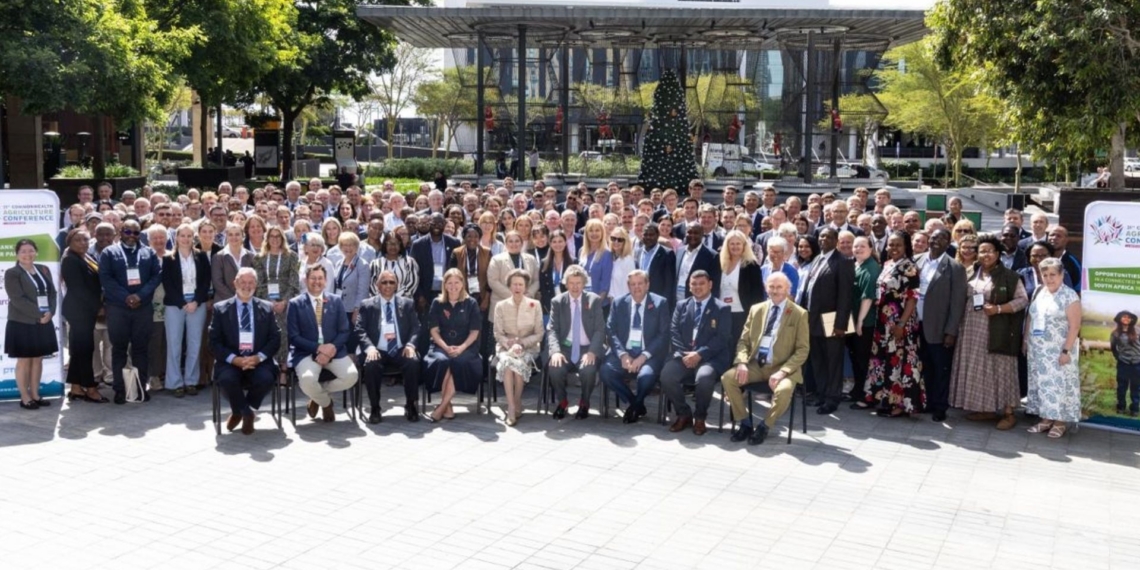
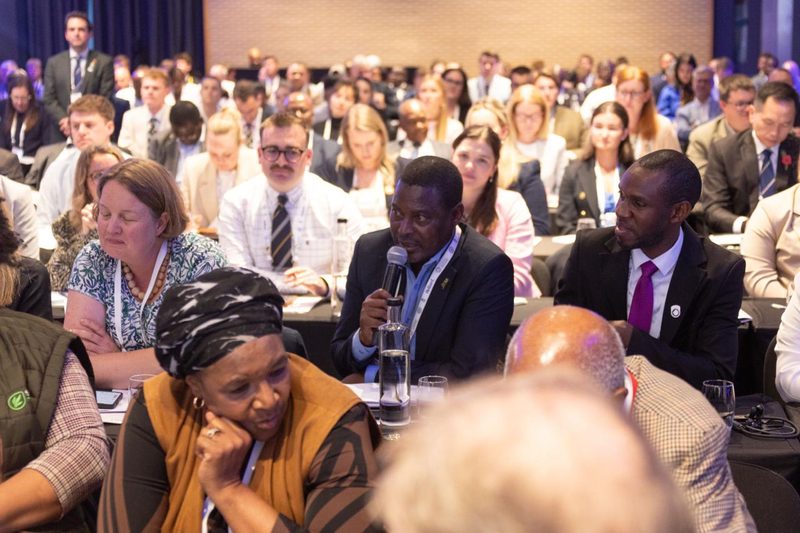
Agriculture happens in different corners of the world, but farmers share many of the same challenges. On the third day of the Commonwealth Agriculture Conference 2026 in Cape Town, delegates from across the Commonwealth gathered to explore the future of food and farming.
Conversations included the challenges and opportunities shaping agriculture, while creating space for countries to learn from one another and share ideas that could help move the sector forward.
Western Cape backs innovation and partnerships
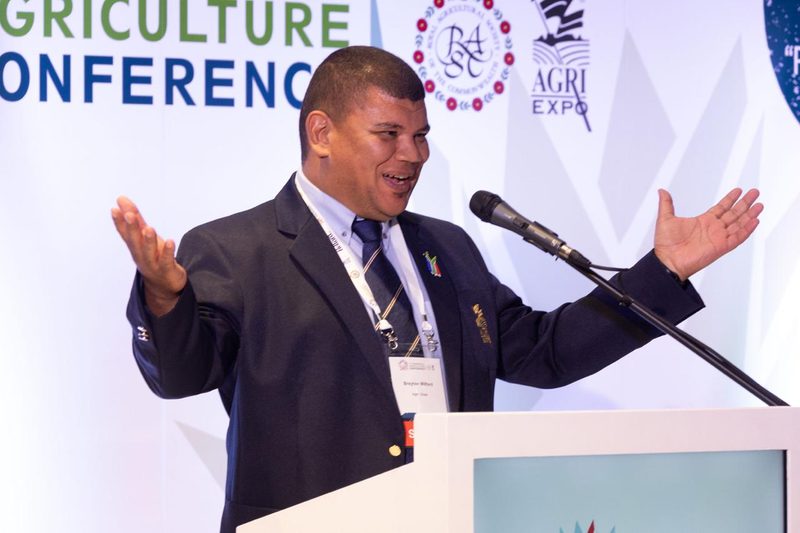
According to Dr Ivan Meyer, Western Cape minister of agriculture, economic development and tourism, the Western Cape is responsible for 58% of South Africa’s primary agricultural exports.
Addressing conference delegates, Meyer said the provincial government remains committed to creating an enabling environment for investment, innovation, growth and infrastructure development, while supporting agricultural exports and skills development.
Meyer also paid tribute to Agri-Expo, saying the institution had played an important role in the history of the province’s department of agriculture and continues to contribute to the agricultural sector.
The conference also created an opportunity for countries across the Commonwealth to work together, share knowledge and build partnerships, Meyer added.
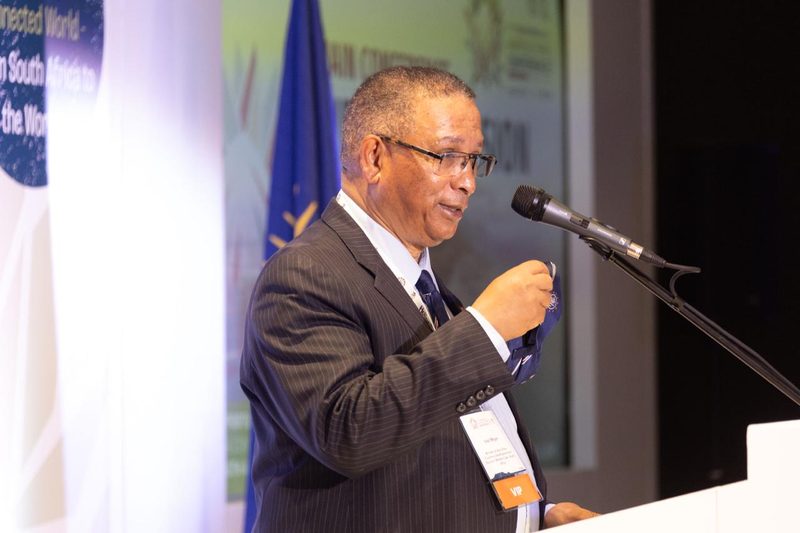
“When we work together, we can create opportunities. When we work together, we can unlock innovation. When we work together, we strengthen agriculture and rural communities.
“Agriculture is more than an industry. It is the foundation of food security. It is a source of dignity and employment. It is a driver of economic growth. Together, through innovation, partnership and shared purpose, we can ensure that agriculture continues to transform lives and strengthen communities across the Commonwealth,” he said.
Related stories
- China’s zero tariffs deliver massive savings for African exporters
- Powering exports: Rising electricity costs threaten SA farming
- SA agri exporters welcome US tariff relief for oranges and nuts
Farmers are more than food producers
For Kenny Eng, founder and chief farmer of The Local Farm Ventures in Singapore, food security cannot be separated from the people producing the food.
Speaking about the impact of Covid-19 on farmers, Eng said rising costs and disruptions wiped out already thin margins, while many farmers struggle to build sustainable businesses.
His response was to find ways of creating demand for farmers while also supporting communities. Through Farm Pack for Good, companies buy produce at fair prices from farmers, which then reaches families in need.
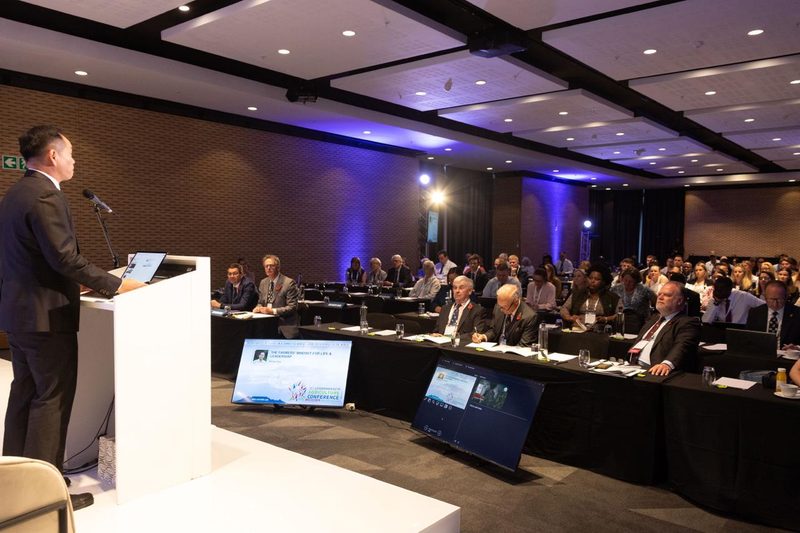
Eng said the experience changed how he viewed his role in agriculture and the value farmers bring to food systems.
“Farmers’ jobs, are we slated just to grow food for people? We’re entrepreneurs. Margin matters. Skills matter. Talent matters,” he said.
For Eng, supporting farmers means looking beyond food production and finding ways to create value that can help farming businesses survive and grow.
Building farmers for commercial agriculture
Emerging farmers need more than finance to build commercially viable businesses, according to Christo van der Rheede, former CEO of Agri SA.
Van der Rheede explained that patient capital could help developing farmers access production loans, even without additional collateral. Structured offtake agreements could also provide security by linking farmers with verified buyers for their produce.
However, access to money alone is not enough, he noted. “Capital, ladies and gentlemen, without technical oversight, invites failure,” Van der Rheede said.
He also pointed to the need for specialised agricultural training closer to production areas, using the Wine Academy in Kakamas, along the Orange River in the Northern Cape, as an example of building technical skills where agricultural production takes place.
Agriculture requires knowledge across disciplines, including plant biology, chemistry, engineering, climate science and economics, he explained. Applied mathematics is also essential for commercial farming, from calculating planting densities and spraying requirements to managing labour costs and harvest cash flows.
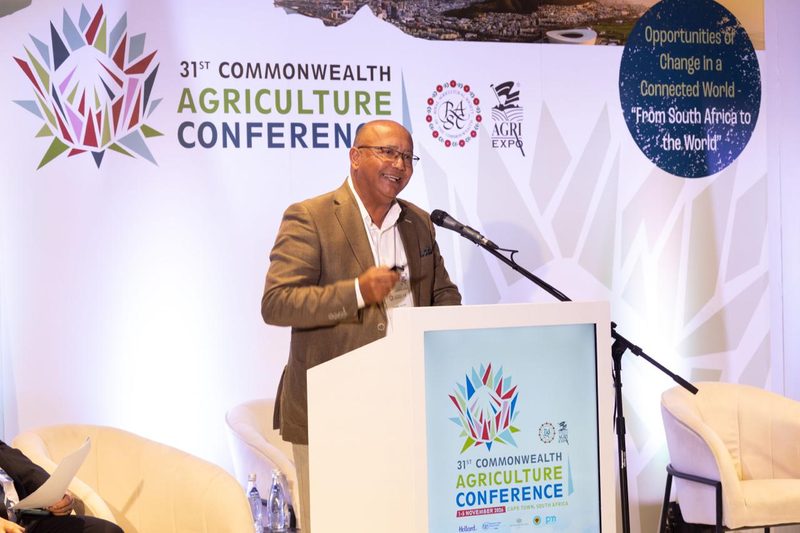
Van der Rheede also spoke about the bureaucratic and legal barriers that could slow commercial development for emerging farmers. He pointed to support with issues such as water licences, environmental authorisations, land tenure, financial bookkeeping and tax compliance as part of helping farmers build bankable business profiles.
He highlighted that agricultural development should focus on building commercially capable businesses.
“Stop developing farmers, develop agropreneurs,” Van der Rheede said.
READ NEXT: Agri-Expo to host Commonwealth Agriculture Conference