Friday, October 30, 2026
SUBSCRIBE
22 GLOBAL MEDIA AWARDS
Food For Mzansi
  • News
  • Changemakers
  • Lifestyle
  • Farmer’s Inside Track
  • Food for Thought
No Result
View All Result
  • News
  • Changemakers
  • Lifestyle
  • Farmer’s Inside Track
  • Food for Thought
No Result
View All Result
Food For Mzansi
No Result
View All Result
in News

Municipal failure drives up production costs for poultry farmers

Failing municipal infrastructure and erratic water and power supplies are crippling South Africa’s poultry industry ahead of local elections. At a recent FairPlay Movement webinar, experts stressed that fixing local municipal infrastructure is essential to protect rural jobs and keep chicken affordable

by Patricia Tembo
30th October 2026
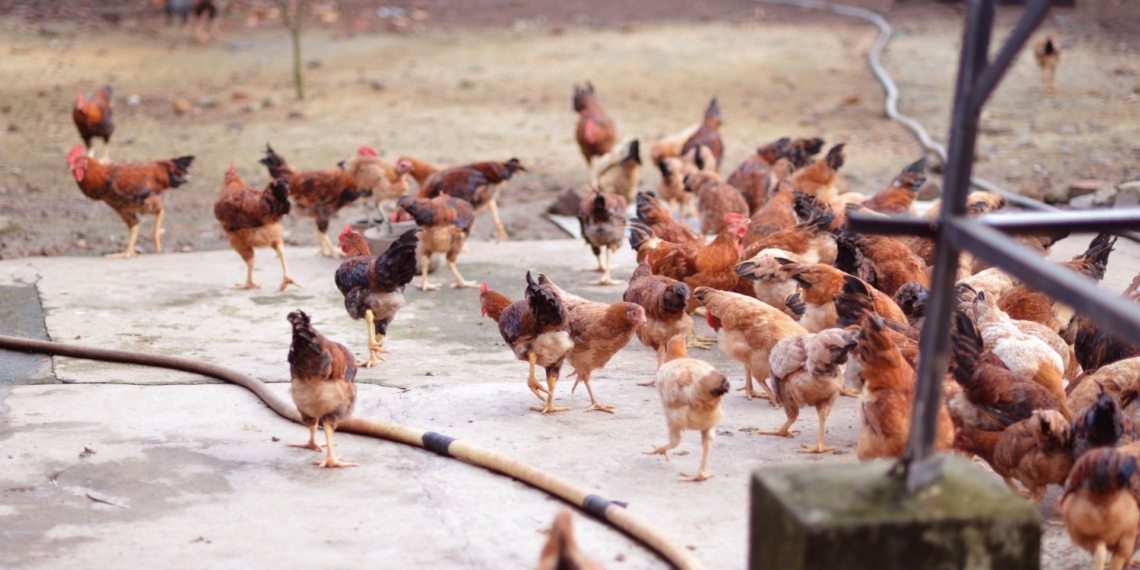
FairPlay Movement webinar speakers warned that unreliable municipal water, electricity and roads are driving up poultry production costs, threatening farm competitiveness and rural jobs. Photo: Pexels

FairPlay Movement webinar speakers warned that unreliable municipal water, electricity and roads are driving up poultry production costs, threatening farm competitiveness and rural jobs. Photo: Pexels

Share on FacebookShare on TwitterShare on WhatsApp

With six days to go before the local government elections, poor municipal infrastructure and unreliable water and electricity supplies are increasing production costs for South African poultry farmers,

At a webinar hosted by the FairPlay Movement, stakeholders said not having stable service delivery threatens the industry’s competitiveness, food security and rural employment.

The discussion highlighted the consequences of failing municipal services for agricultural production, particularly in rural areas where poultry farms depend on reliable infrastructure to maintain animal welfare, protect production, and supply affordable protein to consumers.

Ripple effects of no service delivery

Izaak Breitenbach, general manager of the broiler organisation at the South African Poultry Association (SAPA), said infrastructure failures are undermining an industry that had invested heavily in technology to improve efficiency and competitiveness.

“Feed cost is obviously heavily impacted by infrastructure. Then we have non-feed costs, including facilities, infrastructure and consumables. That is where the concern lies. We are already being impacted by the lack of service delivery, and, in our opinion, this will get worse,” he said.


Related stories
  • Backing women farmers can boost Africa’s agrifood systems
  • Fruit SA: Giving transformation a seat at the strategy table
  • Agda congress: Why production alone won’t save your farm
  • Protect your soil and crops while saving water this season

Infrastructure failures threaten poultry production

Breitenbach explained that poultry production had become increasingly technology-driven, with modern chicken houses relying on computerised systems to regulate temperature, oxygen and carbon dioxide levels.

A typical poultry house costs approximately R6 million to build, he noted, making reliable electricity and water essential to protecting farmers’ investments.

“You can just imagine what the impact of a one-hour power failure would be in a sealed chicken house with computer-controlled systems,” he said, adding that water shortages during South Africa’s high temperatures could also have serious consequences for birds.

He further explained that poultry production takes place largely in rural areas, while large abattoirs that consume substantial amounts of water and electricity are often situated closer to urban centres. This exposes producers across the value chain to different infrastructure challenges.

Between 5% and 10% of South Africa’s chickens are produced by approximately 800 small-scale farmers, according to Breitenbach, making service delivery particularly important for smaller producers.

Francois Baird, founder of the FairPlay Movement, stressed that poultry farming is far from an easy business, despite common perceptions.

He warned that infrastructure failures also affect food prices and rural jobs, as additional production costs put pressure on an industry that supplies affordable chicken to consumers.

Poor services impact wider agricultural sector

Thabile Nkunjana, an agricultural economist at the National Agricultural Marketing Council (NAMC), said infrastructure constraints extend beyond poultry production to other agricultural commodities and affect the country’s export ambitions.

He pointed to the importance of reliable roads for transporting fresh produce, explaining that poor road conditions could damage tomatoes during transit and increase costs for farmers.

Nkunjana also raised concerns about water quality, particularly where infrastructure failures and leakages could expose agricultural producers to contaminated water. He highlighted the importance of consistent access to safe water for livestock production and hygiene.

“Clean water is essential. You cannot produce healthy animals if you are supplying them with contaminated water.”

Thabile Nkunjana

Nkunjana argued that stronger collaboration between government and the private sector could help address infrastructure gaps and support farmers seeking to expand production and access markets.

Christopher Campbell, chief executive officer of Consulting Engineers South Africa, called for municipalities to prioritise infrastructure maintenance, reliable basic services and technical competence.

He argued that local governments should focus on preserving existing infrastructure rather than concentrating primarily on new projects.

“We need to preserve what we have for as long as we can, because we are simply not going to have the capital,” he said.

Campbell also called for greater financial transparency, stronger accountability and suitably qualified technical personnel in municipal departments.

READ NEXT: Maleka engineers hydroponic solutions for emerging farmers

Sign-up for the latest agricultural news delivered straight to your inbox every day with Mzansi Today!

READ NEXT:‘No books, no loan’: How compliance unlocks farm finance

Sign-up for the latest agricultural news delivered straight to your inbox every day with Mzansi Today!


Patricia Tembo

Patricia Tembo is motivated by her passion for sustainable agriculture. Registered with the South African Council for Natural Scientific Professions (SACNASP), she uses her academic background in agriculture to provide credibility and technical depth to her journalism. When not in immersed in the world of agriculture, she is engaged in outdoor activities and her creative pursuits.

Tags: Fairplay MovementInform meIzaak BreitenbachPoultry farmingSouth African Poultry Association
Youth agri programme graduates the first cohort of young farmers
News

Youth agri programme graduates the first cohort of young farmers

by Staff Reporter
28th October 2026

Twenty Gauteng high school learners have officially graduated from an innovative occupational agricultural training programme delivered by ESM and Omnia....

Read moreDetails
‘No books, no loan’: How compliance unlocks farm finance

‘No books, no loan’: How compliance unlocks farm finance

27th October 2026
Fires continue to devastate crops, livestock, and communities. Santam urges farmers to prioritise fire insurance as climate change fuels escalating risks. Photo: Supplied/Food For Mzansi

Early warning action essential as dry weather increases fire risk

27th October 2026

El Niño drought defence: Why healthy soil could save your harvest

27th October 2026
NWK grain silos turn pink to support breast cancer survivors 

NWK grain silos turn pink to support breast cancer survivors 

27th October 2026

SA’s sugar industry at a crossroads: The shift to bioethanol

El Niño drought defence: Why healthy soil could save your harvest

Minister launches R1.2b land reform programme to support farmers

Young scientist safeguards Mzansi’s crops and food security

Eastern Cape farmer bets on poultry and grows a diverse business

Join Food For Mzansi's WhatsApp channel for the latest updates!

JOIN NOW!

THE NEW FACE OF SOUTH AFRICAN AGRICULTURE

With 21 global awards in the first six years of its existence, Food For Mzansi is much more than an agriculture publication. It is a movement, unashamedly saluting the unsung heroes of South African agriculture. We believe in the power of agriculture to promote nation building and social cohesion by telling stories that are often overlooked by broader society.

Municipal failure drives up production costs for poultry farmers

Minister launches R1.2b land reform programme to support farmers

Young scientist safeguards Mzansi’s crops and food security

Fruit SA: Giving transformation a seat at the strategy table

Veggie prices plummet: Why your grocery bill might drop this week

SA’s sugar industry at a crossroads: The shift to bioethanol

  • Awards & Global Impact
  • Our Story
  • Contact Us
  • Cookie Policy
  • Privacy Policy
  • Copyright

Contact us
Office: +27 21 879 1824
News: info@foodformzansi.co.za
Advertising: sales@foodformzansi.co.za

Contact us
Office: +27 21 879 1824
News: info@foodformzansi.co.za
Advertising: sales@foodformzansi.co.za

  • Awards & Global Impact
  • Our Story
  • Contact Us
  • Cookie Policy
  • Privacy Policy
  • Copyright

Chat Options

About this assistant

This feature generates automated answers summarised from Food For Mzansi articles. By using it, you are interacting with an AI system (provided by Google), not a human. AI can make mistakes. Please refer to the source articles for verification and citation purposes.

Our staff do not check or moderate Lerato’s answers in advance, but may review some later. Our journalists continue to write and edit all the articles Lerato uses as sources.

To estimate unique and returning web users, we store a random browser ID in this browser. WhatsApp users are counted by phone number. The same person using both channels may be counted twice.

I'm Lerato, your AI assistant!
No Result
View All Result
  • News
  • Changemakers
  • Lifestyle
  • Farmer’s Inside Track
  • Food for Thought

Copyright © 2026 Food for Mzansi