Wednesday, November 25, 2026
SUBSCRIBE
22 GLOBAL MEDIA AWARDS
Food For Mzansi
  • News
  • Changemakers
  • Lifestyle
  • Farmer’s Inside Track
  • Food for Thought
No Result
View All Result
  • News
  • Changemakers
  • Lifestyle
  • Farmer’s Inside Track
  • Food for Thought
No Result
View All Result
Food For Mzansi
No Result
View All Result
in Climate Change

Dry winter forecast spells trouble for Western Cape

A dry winter looms for South Africa’s southwest. The latest Seasonal Climate Watch forecasts below-average rainfall through September, threatening the Western Cape’s agriculture and water reserves

by Ed Stoddard
11th May 2025
Add FFM on Google
The drought Cape Town experienced in 2018 shows that a Day Zero scenario can happen again, even in other countries with similar conditions. Supplied/Food For Mzansi

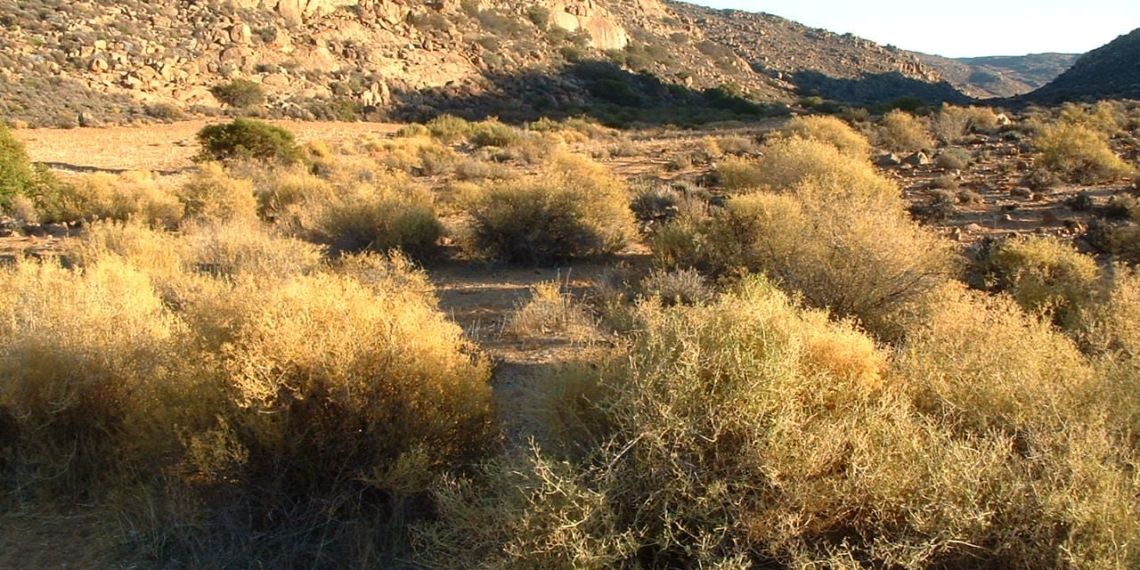
The South African Weather Service warns of drier-than-usual conditions across the Western Cape and coastal regions this winter. Supplied/Food For Mzansi

Share on FacebookShare on TwitterShare on WhatsApp

The winter rainy season for South Africa’s southwest will be more dry than wet, with implications for the region’s agriculture, including the winter wheat crop and water security. 

In its monthly Seasonal Climate Watch report, which looks five months ahead – in this case from May to September – the South African Weather Service has maintained its dry outlook for the southwest and extended that prognosis to September. 

“As early winter is starting in May-June-July, the focus shifts to the southwestern parts of the country and the southern and eastern coastal areas. Both the southwestern parts and the southern and eastern coastal areas are expected to receive mostly below-normal rainfall early, mid- and late-winter,” the report said. 

Keeping an eye on dam levels

Western Cape dam levels are only at 57.2% – the lowest among South Africa’s provinces by a country mile – according to the latest update from the department of water and sanitation, and the province counts on the winter rains to top up its reservoirs. 

April has been unseasonably wet across much of the interior of South Africa, including the Free State and Gauteng. The Vaal Dam’s levels are at almost 120%, forcing authorities last week to open 10 of its sluice gates and issue evacuation notices as the Vaal River is pumping. 

The Katse Dam in Lesotho, which contains much of Gauteng’s water supply, is almost 100%. 

Drought, rain, disease: Sheep farmers battle climate extremes

But the Western Cape is high and dry as the parched prospects for winter descend. Mind you, many Gauteng residents are also high and dry and face frequent water cuts, but that is a consequence of state failure rather than Mother Nature. 

And the temperature outlook across most of the country remains warmer than usual. So expect a relatively mild autumn and winter – a state of affairs that, among other things, should ease demand on the national power grid. 

READ NEXT: Trees: More than shade – a climate change ally

What this means for you

If you live in the southwest, you may want to take shorter showers to conserve water. And the forecast for a mild winter across most of South Africa should reduce the need for Eskom to impose the rolling power cuts known as load shedding. 

“Minimum and maximum temperatures are largely expected to be above normal for most parts during the winter season, with the notable exception of the southern coastal areas that are expected to see parts of it be below normal,” the report said. 

It also noted that “some parts of Mpumalanga” are expected to have a wetter winter than usual.  

This article was first published by Daily Maverick.

ALSO READ: La Niña or El Niño? SA’s farmers brace for weather uncertainty

Sign up for Mzansi Today: Your daily take on the news and happenings from the agriculture value chain

Add FFM on Google Follow FFM on Google News

Ed Stoddard

Tags: Commercialising farmerDroughtInform meweather patternsWestern Cape
Beyond timber: How farmers can profit from multi-purpose trees
News

Beyond timber: How farmers can profit from multi-purpose trees

by Vateka Halile
23rd November 2026

Thinking of starting a tree-growing enterprise? Food and Trees for Africa’s Robyn Hills explains how to grow multi-purpose trees that...

Read moreDetails
This week’s agri events: 23 – 27 November

This week’s agri events: 23 – 27 November

23rd November 2026

When to plant fodder radish for better livestock feed in droughts

22nd November 2026
Neat rows of young crops cover a sloping green field beneath lush, forested hills and a dramatic, overcast sky.

Private partnerships unlock millions for land reform beneficiaries

21st November 2026
Rooibos industry targets global growth while protecting local roots

African markets offer fresh growth opportunities for SA rooibos

21st November 2026

This week’s agri events: 23 – 27 November

Boshof Solar Power backs three-year emerging farmer programme

Working with nature: How soil health builds resilient farms

Supplying Joburg Market: Phumla Qwabe grows her next chapter

Private partnerships unlock millions for land reform beneficiaries

Join Food For Mzansi's WhatsApp channel for the latest updates!

JOIN NOW!
Next Post
Land Bank executive Sydney Soundy discusses blended finance with Happy Letsitsa (right), a successful Free State crop farmer. They were participating in a lunch-time conversation series at the 2024 Nampo Harvest Day. Photo: Ivor Price/Food For Mzansi

This week’s agri events: 12 – 16 May

THE NEW FACE OF SOUTH AFRICAN AGRICULTURE

With 21 global awards in the first six years of its existence, Food For Mzansi is much more than an agriculture publication. It is a movement, unashamedly saluting the unsung heroes of South African agriculture. We believe in the power of agriculture to promote nation building and social cohesion by telling stories that are often overlooked by broader society.

Stop losing money on poor livestock marketing – here’s how to fix it

Veg prices crash ahead of festive season, squeezing SA farmers

Working with nature: How soil health builds resilient farms

Enza Zaden field days prove crop performance from farm to market

South Africa’s job crisis: Why the agricultural sector is bleeding

Boshof Solar Power backs three-year emerging farmer programme

  • Awards & Global Impact
  • Our Story
  • Contact Us
  • Cookie Policy
  • Privacy Policy
  • Copyright

Contact us
Office: +27 21 879 1824
News: info@foodformzansi.co.za
Advertising: sales@foodformzansi.co.za

Contact us
Office: +27 21 879 1824
News: info@foodformzansi.co.za
Advertising: sales@foodformzansi.co.za

  • Awards & Global Impact
  • Our Story
  • Contact Us
  • Cookie Policy
  • Privacy Policy
  • Copyright

Chat Options

About this assistant

This feature generates automated answers summarised from Food For Mzansi articles. By using it, you are interacting with an AI system (provided by Google), not a human. AI can make mistakes. Please refer to the source articles for verification and citation purposes.

Our staff do not check or moderate Lerato’s answers in advance, but may review some later. Our journalists continue to write and edit all the articles Lerato uses as sources.

To estimate unique and returning web users, we store a random browser ID in this browser. WhatsApp users are counted by phone number. The same person using both channels may be counted twice.

I'm Lerato, your AI assistant!
No Result
View All Result
  • News
  • Changemakers
  • Lifestyle
  • Farmer’s Inside Track
  • Food for Thought

Copyright © 2026 Food for Mzansi