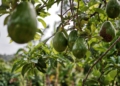
An underutilised grain in South Africa and another that is the fourth largest crop in the world, could be two of the most possible responses to climate change for Mzansi’s farmers. According to some experts, sorghum and soya beans are go-to climate-resilient crops that could help farmers cope or adapt to global warming.
During a recent Gather To Grow Twitter Spaces session, farmers were advised on transitioning to climate-adaptable crops.
According to Sixolise Mcinga, soil scientist, and senior analyst in sustainable agriculture for Green Cape, the concept of climate adaptability must first be understood before embarking on climate-adaptable crops.
“Climate adaptability refers to adjustments in ecological, social, or economical systems in response to climate change,” Mcinga says.
In the session, she unpacks the various ways in which farmers can adapt to climate change, through the use of technology and reducing greenhouse gas emissions.
Mcinga also shares a list of her favourite crops that she believes adapt well to climate change. “We’re looking at soybeans and sorghum,” she shared.
She also emphasised why crops need to be taken care of, especially when they are subjected to a stressful environment and severe weather patterns.
Transitioning to climate-smart technology
Agroecologist Dr Qinisani Qwabe also joins the session and suggests farmers focus on climate-smart agriculture, especially in the semi-arid conditions of South Africa.
Qwabe explains that the department of agriculture, forestry and fisheries has set out an adaptability and mitigation plan that speaks to adopting technologies and responding to the harsh effects of climate change, especially for farmers.
“There’s also a lot of money that has been rolled out also to support research and development… There is amazing work that has been done by the agricultural research council as an example, and the CSIR has also done amazing work in the space to really look at all these different technologies that farmers can adopt.”
During the session, experts also discuss the following:
- Powered irrigation systems; and
- Transition to climate-change adaptable crops and more.
READ NEXT: EC floods leave a trail of destruction on farms
Sign up for Mzansi Today: Your daily take on the news and happenings from the agriculture value chain.