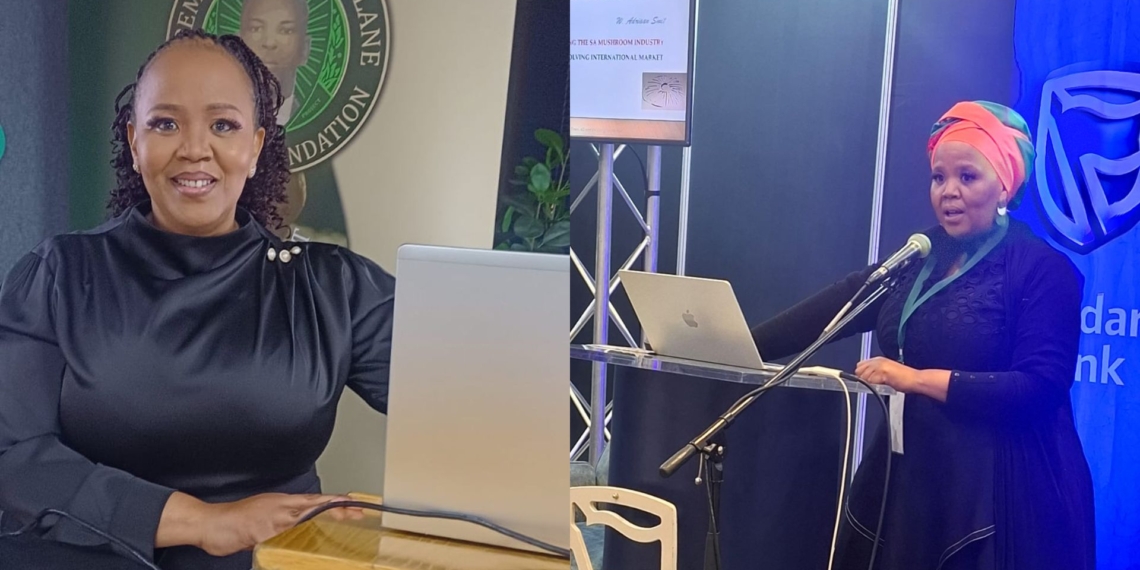
For Babalwa Hopa from eQonce in the Eastern Cape, entrepreneurship is a taste she grew up on, passed down by her family. Today, her agricultural consultancy, the MMX Foundation, helps grassroots farmers with market solutions, skills development, and simplified paperwork.
Her childhood foundation led her to study retail management and spend 30 years learning the nitty-gritties of the retail chain.
Raised in the Gwaba location in eQonce, Hopa’s family, including her parents and grandparents, jointly bought Gwaba Trading Store in 1980 from a German shopkeeper who had run it for decades during apartheid.
“At the time, we were one of the few shops servicing several surrounding villages,” she says. “Growing up, our home was the business. I didn’t have a separate childhood from the shop, because it was where I learned life.”
Hopa adds, “Our shop became a hub. Government officials would bring the pension grant money to our premises, and it would be the busiest time of the month.”
Related stories
- Mpho Majeng honours heritage through hops-infused drinks
- Tomato farmers squeezed as Joburg Market leads price shocks
- Start small, grow big: Tap into Mzansi’s mushroom market
- Amaranth: Can this supercrop move beyond niche markets?
Lessons from the Gwaba Trading Store
Watching her parents serve elderly people with dignity, finding simpler ways to pack groceries, and even delivering for them, taught her what true service looks like.
“That’s where my love for business and service started. I saw early that a business isn’t just about selling; it’s about solving problems and building trust in a community.”
When Bulembu Airport, now Bhisho Airport, was constructed, they were invited to open a shop there. She explains that this gave them early exposure to running multiple branches and dealing with a wider customer base.
However, when democracy came to South Africa, the government moved social grants from local village shops to banks. For many rural businesses like her family’s, that single policy shift crippled the local economy. Many old rural shops were forced to close down.
Thirty years of retail experience
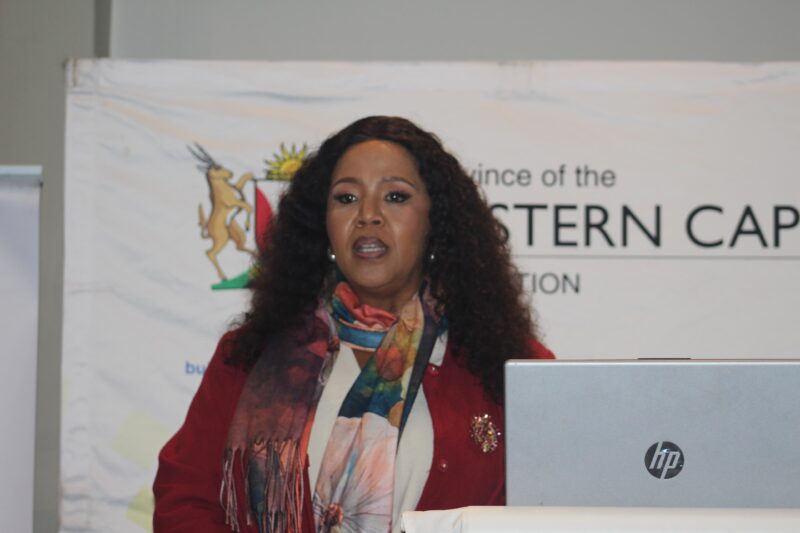
Hopa moved to Cape Town, where she studied retail business management at the former Pentech, now the Cape Peninsula University of Technology (CPUT).
In 2002, Hopa decided to venture into entrepreneurship, a move that led to a chain of businesses including a driving school, waste management, security, a community radio station, and a fruit and vegetable stall at the famous Elgin Railway Market in Grabouw.
“It was at that fruit and veg stall that my love for sector development, and specifically agriculture, was reignited.”
She adds, “I saw the gap between small-scale farmers and the market firsthand.”
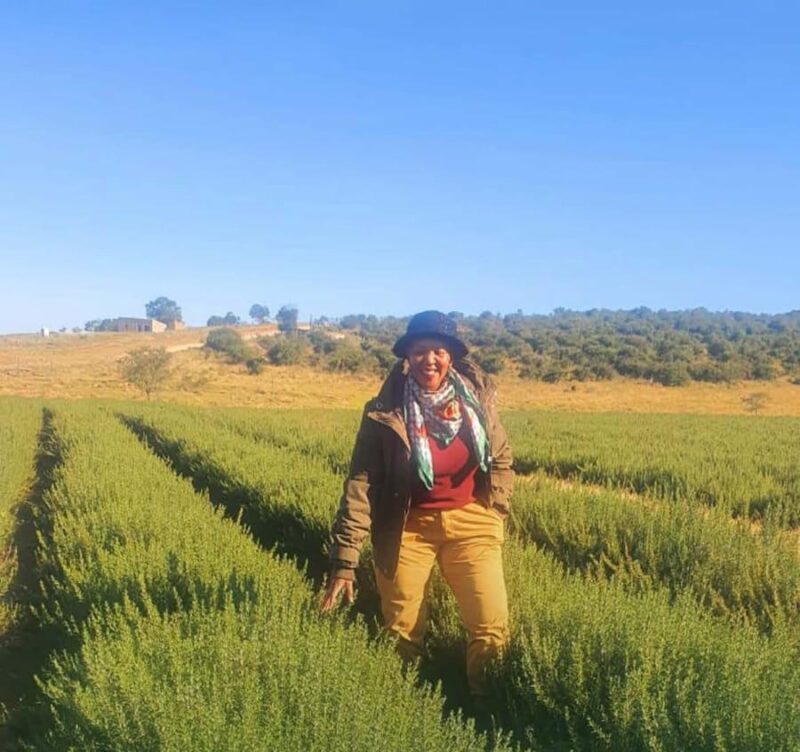
Her experience and understanding of the retail side came from her chain-store years, and she understood the rural customer from her childhood. That combination became the foundation for the work she does now, connecting small-scale farmers to markets, supporting exhibitions and trade shows, and advocating for the rural and township economy.
Driving rural development
Then, in May 2022, the Mpembelelo MacFarlane Xotyeni Foundation MMXF was officially born. It was named after her grandfather, who was both an agriculturalist and a school principal.
This consultancy serves as a bridge between agricultural value chains and farmers who are hungry to penetrate the market. The foundation drives market access across sectors and commodities through innovative partnerships, skills transfer platforms, and learning hubs for all-round rural development.
This work, she says, includes community-led growth, market access solutions, rural economic stimulation, farmer aggregation models, fundraising, stakeholder relations, monitoring, evaluation, and governance.
Modernising Eastern Cape agriculture
“We’ve integrated these into our agri-entrepreneurship training so farmers understand how technology supports modern farming and market access,” she explains.
A key part of her focus now is supporting the department of education with the commercialisation of 17 agricultural high schools in the Eastern Cape. She is currently rolling out market hubs and piloting the project with four of those schools in the province.
Hopa emphasises that, based on her observations, the Eastern Cape has the potential to produce high-quality products. What has been missing is market access, logistics, coordination, and proper systems.
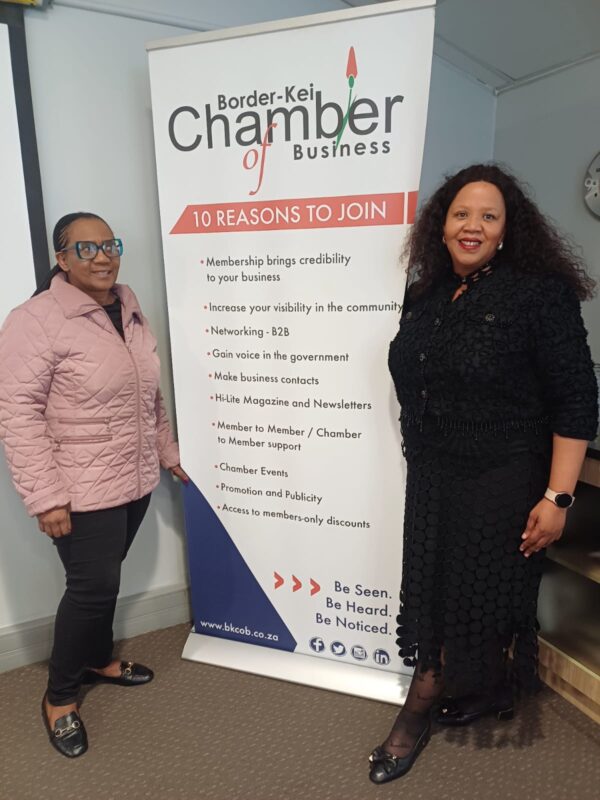
She adds that at the farm level, producers need business systems and market linkages, not just production skills.
“At the governance level, we need procurement and support systems that are built for small-scale farmers, not only for large commercial farms.”
Hopa believes the solution lies in aggregation, proper logistics, and creating market hubs that connect farmers directly to buyers and formal markets.
Her overall vision is to see rural and township farmers consistently supplying formal markets because the necessary systems and hubs are in place.
She is building those market hubs now so that agriculture becomes a real driver of the rural and township economy.
READ NEXT: Diamond fibre: How Angora farmers can crack the mohair market