Friday, October 9, 2026
SUBSCRIBE
22 GLOBAL MEDIA AWARDS
Food For Mzansi
  • News
  • Changemakers
  • Lifestyle
  • Farmer’s Inside Track
  • Food for Thought
No Result
View All Result
  • News
  • Changemakers
  • Lifestyle
  • Farmer’s Inside Track
  • Food for Thought
No Result
View All Result
Food For Mzansi
No Result
View All Result
in News

Chefs can be ‘agents of change’, says Unesco

by Staff Reporter
2nd April 2019
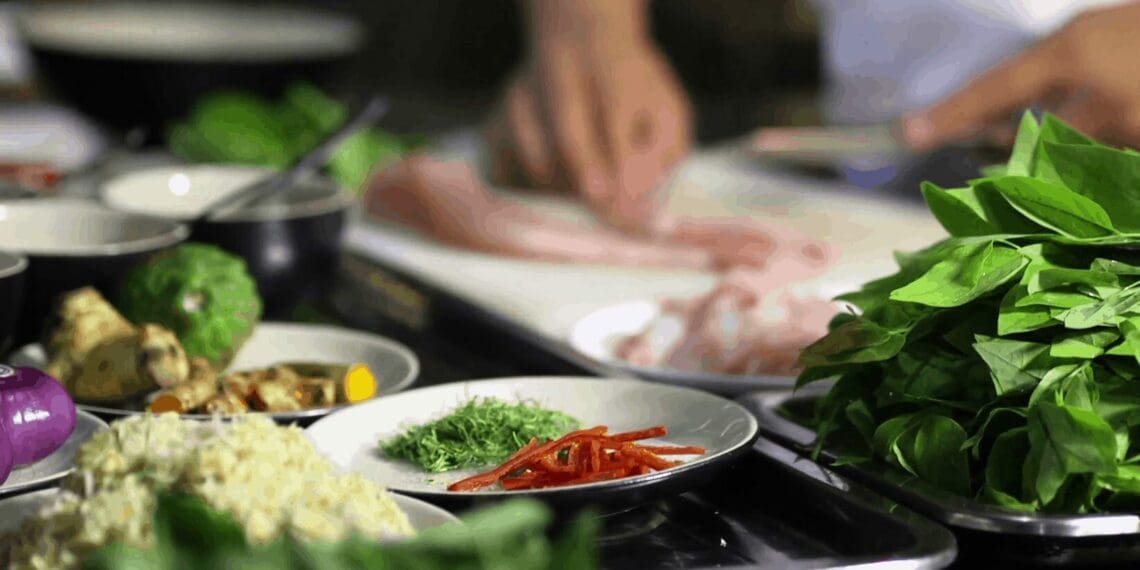
Unesco says since the dawn of time, food has been an essential dimension of human exchanges, a major economic activity, and the foundation of the organization of societies.

Unesco says since the dawn of time, food has been an essential dimension of human exchanges, a major economic activity, and the foundation of the organization of societies.

Share on FacebookShare on TwitterShare on WhatsApp

Chefs are agents of change in the fight against hunger and malnutrition, and play an important role in inspiring people around the world to support sustainable food production, adopt healthy diets and avoid food waste.

This was the central message of a recent international symposium hosted by the Food and Agriculture Organisation of the United Nations (FAO), the United Nations Educational, Scientific and Cultural Organisation (Unesco), and the government of France, during the Goût de France gourmet festival held in Paris.

“We have to educate and inspire people to adopt healthy diets,” said Jose Graziano da Silva, FAO Director-General. “Gastronomy is more and more an area of great interest, and chefs are among the actors who can shape public opinion and influence consumers.”

During the event, both Unesco and FAO leaders introduced a publication, Chefs as agents of change, on the joint work of both organisations in highlighting the role of chefs as advocates for healthy and culturally diversified diets.

Reducing food waste

A growing number of chefs are promoting food linked to territory and local culture, and the consumption of local, fresh food. Chefs have also become increasingly involved in the global movement to reduce food waste, championing food waste reduction efforts in their own restaurants, as well as empowering local communities to fight food waste.

Unhealthy diets are the most significant cause of the global pandemic of obesity. More than 2 billion people are estimated to be overweight, including about 670 million people who are obese. The number of obese people in the world may soon eclipse the number of undernourished people, which is currently estimated at 821 million.

“With obesity on the rise, our food systems must change from feeding people to nourishing them with healthy and nutritious food. All of these are important for the transformation we need in our food systems,” said Graziano da Silva.

Didier Guillaume, the French Minister of Agriculture and Food, emphasised the importance of national food policies based on a positive approach to nutrition, and that take into account the educational, social and cultural dimensions of food.

Representatives from research, civil society, agriculture and gastronomy also took part, discussing the links between gastronomy and education and how they can be used to fight obesity and food waste.

FAO and UNESCO work together

FAO and UNESCO are working together towards recognising the importance of culture and heritage in achieving healthy diets and sustainable agriculture.

Governments assisted by FAO, UNESCO and other partners are working to preserve the common heritage associated with food systems through initiatives such as the Globally Important Agricultural Heritage Systems (GIAHS) and the Intangible Cultural Heritage (ICH). These initiatives seek to preserve agricultural and culinary traditions that contribute to sustainable and healthy diets, such as the Washoku culinary tradition of Japan, the Mediterranean diet, and traditional Mexican cuisine.


Staff Reporter

Researched and written by our team of writers and editors.

Tags: FAOFrance
SADC Plant Nutrition Symposium tackles long-term soil health and farm viability
Advertorial

SADC Plant Nutrition Symposium tackles long-term soil health and farm viability

by Lisakanya Venna
7th October 2026

PARTNER CONTENT: Long-term farm viability depends on more than immediate yields; it requires strong soil fundamentals, smart crop nutrition, and...

Read moreDetails
Agritourism experts urge fair distribution of SA’s tourism boom

Agritourism experts urge fair distribution of SA’s tourism boom

7th October 2026
Calf rearing: Why the first few hours define your future herd

R14m investment strengthens SA’s livestock disease surveillance

7th October 2026
How SA farmers can crack retail and unlock market access

How SA farmers can crack retail and unlock market access

6th October 2026

Beyond survivalist farming: The urgent need for a poultry revolution

6th October 2026

Rising from storm loss: Sinethemba Gebashe’s egg triumph

This week’s agri events: 05 – 09 October

Beyond survivalist farming: The urgent need for a poultry revolution

Prepare your livestock for a drier 2026/27 breeding season

Four major risks SA farmers can’t afford to ignore

Join Food For Mzansi's WhatsApp channel for the latest updates!

JOIN NOW!
Next Post

The township food revolution has started

THE NEW FACE OF SOUTH AFRICAN AGRICULTURE

With 21 global awards in the first six years of its existence, Food For Mzansi is much more than an agriculture publication. It is a movement, unashamedly saluting the unsung heroes of South African agriculture. We believe in the power of agriculture to promote nation building and social cohesion by telling stories that are often overlooked by broader society.

Four major risks SA farmers can’t afford to ignore

Scrap sugar tax to save farmers and jobs, SA Canegrowers plead

Phelisa Ndayi brings soil science and smart tech to Mzansi farmers

Agri Skills Transfer: Where agriculture meets opportunity

Unlocking the economic and nutritional power of the fifth quarter

Prepare your livestock for a drier 2026/27 breeding season

  • Awards & Global Impact
  • Our Story
  • Contact Us
  • Cookie Policy
  • Privacy Policy
  • Copyright

Contact us
Office: +27 21 879 1824
News: info@foodformzansi.co.za
Advertising: sales@foodformzansi.co.za

Contact us
Office: +27 21 879 1824
News: info@foodformzansi.co.za
Advertising: sales@foodformzansi.co.za

  • Awards & Global Impact
  • Our Story
  • Contact Us
  • Cookie Policy
  • Privacy Policy
  • Copyright

Chat Options

I'm Lerato, your AI assistant!
No Result
View All Result
  • News
  • Changemakers
  • Lifestyle
  • Farmer’s Inside Track
  • Food for Thought

Copyright © 2024 Food for Mzansi