South African farmers continue to face several difficult conditions on all fronts, including extreme weather, rising input costs, crime and cyber threats.
These ongoing pressures are making it exceptionally difficult for farming businesses, many of which operate on tight margins, to absorb a loss and recover when something goes wrong.
Ryno de Kock, head of distribution at PSG Insure, said farmers have always operated in an unpredictable environment, but the pressure is now coming from multiple sources at once.
“A farmer may lose part of a crop to a storm and then need to replace an expensive piece of machinery while input costs are already high. These risks rarely happen in isolation.”
De Kock highlights four risks that South African farmers can’t afford to overlook right now:
Extreme weather causes damage beyond the farm gate
Floods, hail, drought and veld fires remain among the most serious risks facing farmers. However, the impact of extreme weather often stretches far beyond the crop itself.
Recent flooding in the Eastern Cape’s Gamtoos Valley and Langkloof caused an estimated R1.5 billion in losses to farming communities in the regions, which affected around 3.7 million citrus cartons and resulted in crop losses of up to 80% on some vegetable farms. This damage highlighted how a single weather event can drastically disrupt production, supply chains and access to markets.
“Extreme weather is intensifying and is becoming more difficult to predict. Livestock can be lost, while fences, irrigation systems, roads and bridges can be badly damaged. Stored produce and feed can also be ruined, and damaged infrastructure may prevent farmers from getting their produce to market,” he said.
Rising costs are leaving farmers less room to recover
Global supply disruptions are increasing the cost of essential agricultural inputs. South Africa imports more than 80% of the approximately two million tonnes of fertiliser it uses annually, much of it from the Gulf. More than 30% of global urea exports pass through the Strait of Hormuz.
Related stories
- Post-storm recovery: Managing soil and stock after severe weather
- Weather shocks keep vegetable markets volatile
- Scammers target farmers: Protect yourself from cyber threats
- Agritourism experts urge fair distribution of SA’s tourism boom
In April 2026, urea prices rose by 59%, monoammonium phosphate (MAP) by 26% and potash by 11%. Fuel prices also increased sharply, shortly before the summer planting season.
“Insurance will not cover increases in fuel or fertiliser prices, but these costs reduce the financial buffer farmers have when something else goes wrong,” De Kock said. “A machinery breakdown at the wrong time can also mean missing a planting or harvesting window, affecting the entire season’s income.”
He added that higher replacement costs can also leave farmers underinsured if the values of buildings, machinery, livestock, feed and stored inputs have not been reviewed.
Crime can bring operations to a standstill
Farmers are dealing with stock theft and the theft of equipment, solar panels, cables, fuel and diesel pumps. Electricity and water interruptions, logistics delays and ageing infrastructure can also disrupt production.
“These may not appear to be traditional farming risks, but they can be just as damaging. The loss of essential equipment can bring part of the operation to a halt, while delays in replacing it can increase the financial impact.”
Digital growth is creating new opportunities for fraud
As farms rely more heavily on connected equipment, digital records and electronic payments, cybercrime is becoming an increasingly important risk.
Payment fraud, phishing and fraudulent changes to banking details can result in supplier or produce payments being redirected. “Changes to banking details should always be confirmed by phone using a trusted contact number, and employees should be trained to recognise suspicious messages,” De Kock said.
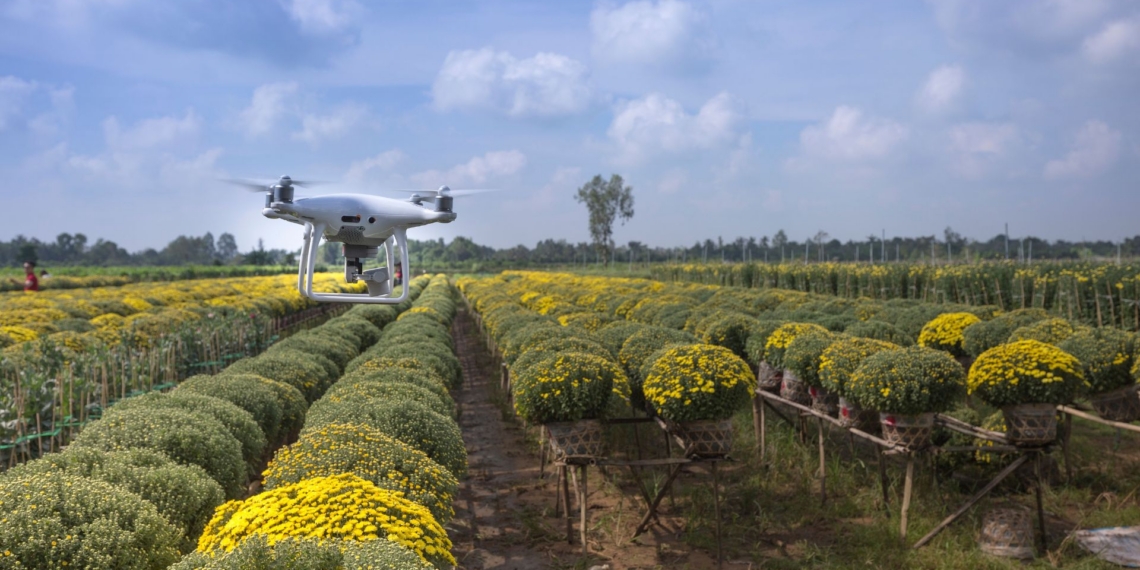
Technology can also strengthen farm management. Local weather alerts, satellite and drone imagery, soil sensors, machinery diagnostics and GPS tracking can help farmers identify problems sooner. However, connected systems must be properly secured. “Technology should support a farmer’s judgement, not replace it,” he noted.
Building resilience before something goes wrong
De Kock said underinsurance remains one of the most common gaps. While around 70% of commercial farmers have asset insurance and 50% have crop insurance, only 40% have business interruption or loss-of-income cover.
Farmers should review their cover annually, update asset values and maintain an asset register with photographs, serial numbers and receipts. Machinery maintenance, emergency planning, livestock marking and accurate records can also help strengthen resilience.
“Every farm is different, and a generic policy rarely reflects the full operation. A trusted adviser who understands farming can identify overlooked risks, help set appropriate values and review the cover as the business changes. This allows farmers to spend less time worrying about ‘what if’ and more time farming,” he said.
READ NEXT:‘Citrus Irrigation’ guide empowers growers amid water scarcity