She started as a hawker selling vegetables in her rural village of Pella in North West, but Kerotse Lekabe got tired of buying and selling other people’s products. Instead, she wanted to plant her own produce and sell them to her customers directly.
In 2004, Lekabe bought seedlings to start planting vegetables with the help of her late husband. She planted cabbage, spinach, beetroot, onions, and tomatoes on one hectare of land.
While her own family used to farm, Lekabe says she did not get involved in a lot of farming activity in her home because she did not stay with her parents at that time. All of this changed when she was a hawker.
“I really wanted to plant and sell and not to become a middleman. That is why I left the hawker business and came to farm, so I can sell to the hawkers.
“For two years I did my farming on the one-hectare farm. In 2008 I increased to two hectares because I included more produce. Also, the demand was becoming high at the time, so I had to keep up.”
Lekabe says in 2013 the government donated a tractor and water tanks to her farm due to a serious water challenge, and her project had growth potential. Government also assisted her with installing solar panels, boreholes, and trailers.
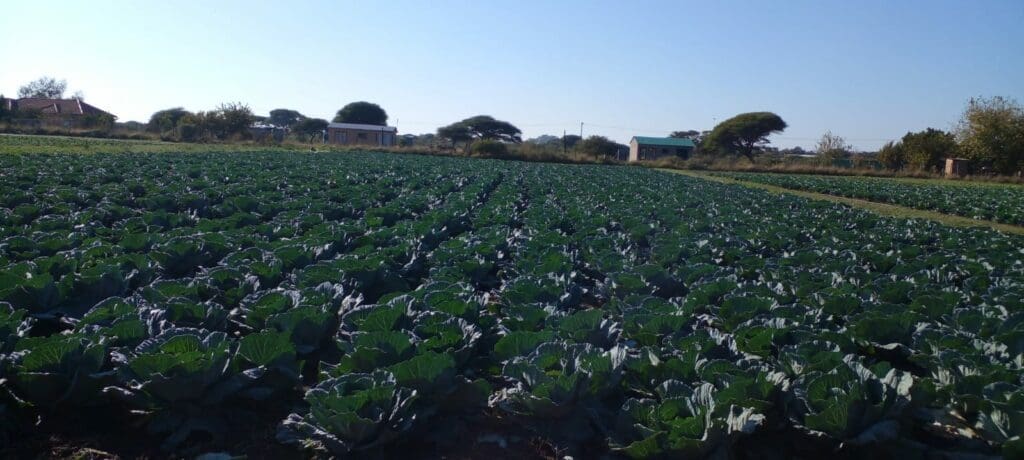
“I kept on increasing by a hectare until 2018 when I had six hectares of land. The same year I decided to no longer increase my hectares but rather work with what I had.
“Through my hard work, in the same year of 2018, I was a runner up at the best female farmer entrepreneur awards,” she says.
Challenges and heartache

Lekabe explains her business has been growing despite the many challenges she experienced.
“In the peak of the business booming and getting lots of clients, which meant hands needed to be on the deck, my husband got sick. My focus was divided in taking care of him and running the business.
“In 2020 he lost his life. He was my business partner and someone I looked up to. I had to run the business by myself while being a mother to three boys. Luckily one of my sons, Ishmael, went to study agriculture at Potchefstroom College so that he could assist me. He developed an interest when he was seeing me working.”
Ishmael graduated with a diploma in agriculture and is working for the family as a driver who delivers their produce to the market.
“I have been fortunate in my village to become a supplier of vegetables to at least 10 schools, Pick n Pay, Choppies supermarket, hawkers and community members.
“While this is a step in the right direction, I want to increase the market that I am currently supplying to because I believe I have the capacity to do so.”
Lekabe and her son start working at 04:00 when the delivery of the vegetable has to be done to the nearby town of Zeerust.
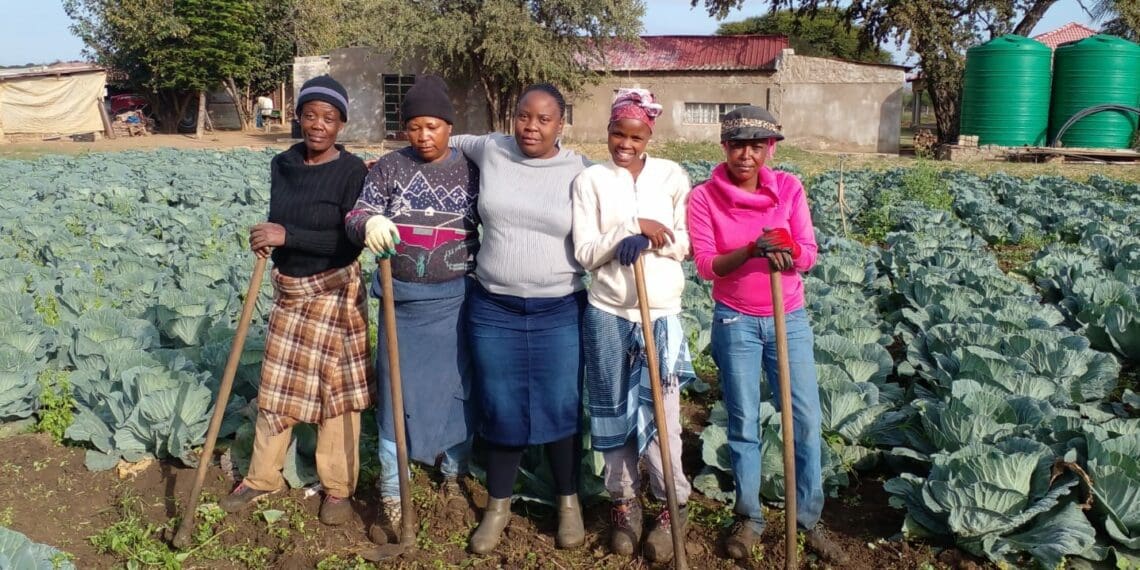
She currently employs four permanent workers and three seasonal, which she calls on during the time of harvesting.
“I must say that keeping up with the supplies is not easy. At times we have challenges with our workers who might not pitch for work for different reasons, and at that time you find yourself having to harvest about 300 units of spinach and deliver them.
“I have many times been the one to do the harvest myself because losing big clients could be a serious problem for the business. However we soldier on with the business regardless.”
Penetrating the market
Hawkers are still her biggest market as she delivers about 250 units of spinach to them.
Lekabe says after losing her husband many thought she was not going to be able to go through with farming, however, the persistence and encouragement she received from different people, including her children, kept her going.
“I must say, being a female farmer in the village for me has been the best experience I ever gone through. There are challenges that every farmer will face such as water scarcity and adhering to government legislation, but one keeps your head up.
“The tribal council of Bakwena ba Modimosana, the governing bodies of the schools, and community members have been supportive of my company. We get orders left and right, but what I am proud of is that I have continued to deliver,” she says.
She is working on a transitional handover to her children, Lekabe adds, because she wants them to continue with farming.
“I am glad that one of my sons is working with me. He is a worker like everyone else, he is gaining experience of how to run a farm and the business. He still wants to further his studies, and after that I believe he will be ready to take over.
“No one said it was going to be easy. We are faced with a lot of challenges in the farming industry. My plea to young people and women in farming is that do not do it because someone is doing it, it is not about making money, but about making a difference in the society.
“Align yourself with people who have been around to help you, it is the only way to succeed in this industry, learn as much as possible,” she advises.
ALSO READ: Persistence pays off for Northern Cape farmer
Get Stories of Change: Inspirational stories from the people that feed Mzansi.