The South African agricultural sector has once again shown its resilience, and despite the many challenges it faces, it continues to reach higher milestones.
This was revealed by the Bureau for Food and Agricultural Policy (BFAP) in its quarterly trade update for the first quarter of 2026. While the broader national economy faced global volatility, agricultural exports surged to a first-quarter record of R67 billion.
According to BFAP, the sector recorded a trade surplus of R33 billion, accounting for 40% of the total trade surplus in the quarter. This performance marks a significant recovery from the narrower margins seen in 2023 and 2024.
Horticulture leads growth
“This signals, hopefully, a robust start to the year despite global economic volatility. Strategic trade realignment: A defining theme of the first quarter is a shift in trade partnerships. Trade with the United States was terrible, with imports plummeting by over 60%.
“South Africa successfully pivoted toward more stable regional and international markets. The SADC region remains the cornerstone of South African exports (R26 billion), while the European Union has emerged as a vital growth driver (R19 billion),” BFAP stated.
Related stories
- Citrus sector enters uncertain season as trade shifts reshape markets
- Trade tensions rise as neighbours restrict SA farm goods
- SA and China cement agricultural trade ties at BNC session
- North West and Land Bank partner to boost emerging farmers
In unpacking commodity dynamics, the report highlighted the dominance of horticulture, signalling the commodity’s growth, which continues to be anchored by edible fruits and nuts, which saw a 13.7% increase.
“There was a notable contraction in the value of staple imports, particularly cereals, which fell by 36%, led by declines in rice from Asian countries, as commodity prices decreased.
“Weak biosecurity measures starting to bite: a 44.6% surge in meat imports illustrates the inability to control diseases which disrupt local supply, leading to the need to source various types of meat elsewhere,” BFAP said.
Looking ahead, the report indicated that as the sector heads into the remainder of 2026, its growth depends on maintaining the momentum in the horticultural sub-sector and deepening ties within African and European markets, while seeking to create opportunities in other regions.
Trade and logistics
“This ambition must be accompanied by the urgent addressing of the biosecurity lapses that threaten local production, as market access has already been secured through prior trade agreements.
“By prioritising these stable regional partnerships and anchoring trade agreements, South Africa is well-positioned to maintain a growing trade balance and navigate the complexities of the global marketplace,” BFAP said
Meanwhile, the trade surplus in the first quarter of 2026 widened markedly, reaching its highest level since the Covid-19 pandemic years. This reinstated the country’s net exporter status.
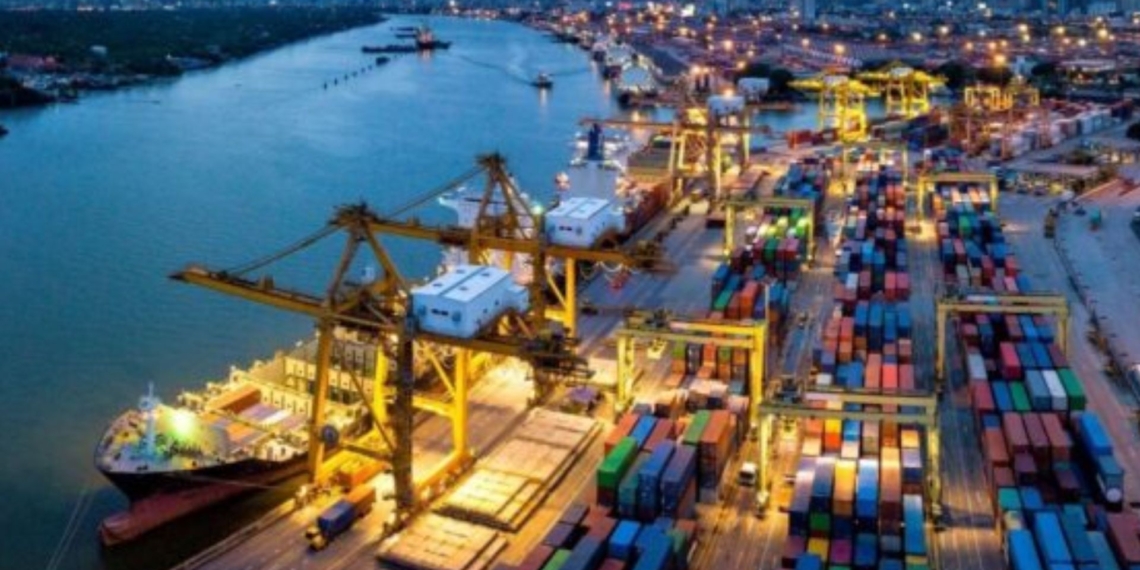
“Port delays, driven by the worst weather in Cape Town port in November and December of 2025, likely resulted in a spillover of product shipments into January. Sugar products were the fastest-growing export category, with a 54.7% increase, driven by rising exports to Namibia.”
Senior agricultural economist Wandile Sihlobo said that improvement at the Port of Durban and the Eastern Cape ports benefited the various agricultural sub-sectors, including the citrus industry.
“In addition to the ample agricultural output, improved port efficiency boosted South Africa’s agricultural exports, which reached a record US$15.1 billion in 2025, up 10% from 2024.
“But this improvement was not consistent throughout the year. The Port of Cape Town experienced delays in its agricultural activities at the end of 2025 and into the start of 2026. This was a peak export period for the table grapes industry,” he said.
READ NEXT: High input costs threaten land reform success