As South Africa assumed the chairmanship of G20, the local agricultural sector is rejoicing at the potential spinoffs the event could bring to the industry and economy.
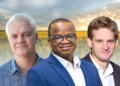
Chief executive officer of AgriSA, Johann Kotzé, said this leadership position presents an exciting opportunity for South African agriculturists to shape critical business dialogues.
The G20 comprises 19 countries and two bodies, the African Union (AU) and the European Union (EU).
Opportunity for SA to shine
“In 2023, agricultural trade between South African agriculture and the G20 market amounted to R134 billion or 55% of total agricultural exports. Central to the discussion should be the impact of climate adaptation, net-zero transition plans, and the embedding of sustainability requirements into trade conditions.
“South African agriculturists are already committed to farming nature positively and have an intuitive awareness of climate adaptation and environmental impact,” he said.

According to Kotzé, South Africa is by no means perfect in its efforts, but the country must remain mindful of how transition plans affect the sustainability of the African food system as well as the future of food in the G20 markets.
He said agriculture needs to strengthen market access. “Exports play a significant role in the sustainability of our food system and create vital employment opportunities in rural communities.
Related stories
- Dippenaar appointed Sati chairperson, eyes global growth
- SA fruit industry poised for growth amid global demand
“It’s not just about access, we need to address the various non-tariff issues that exports often face such as cold treatment and packaging requirements. In the case of the livestock industry, acknowledging the role that certain treatment and compartment protocols fulfil in managing animal health challenges is critical,” he said.
Confronting climate change disasters
In launching South Africa’s G20 presidency, President Cyril Ramaphosa said the country was taking the leadership position at a time when the world is facing severe challenges such as climate change.
“Decisions taken by the G20 have a direct impact on the lives of all members of the global community. It has a wide agenda that now includes trade sustainable development, health, agriculture, energy, the environment, climate change and anti-corruption.
“Working together with G20 members, and building partnerships across society, South Africa will seek to harness global will and capabilities to confront these challenges,” he said.
Ramaphosa said the increasing rate of climate-induced natural disasters is affecting countries around the world, with a devastating impact on countries that cannot afford the costs of recovery and rebuilding.
“We will elevate this issue to leader level, calling for the global community, including international financial institutions, development banks and the private sector, to scale up post-disaster reconstruction,” he said.
READ NEXT: Animal technology graduates step up to secure SA’s biosecurity
Sign up for Mzansi Today: Your daily take on the news and happenings from the agriculture value chain